


Tips to have you navigating the French wine aisle like a pro.
If only there was a universal approach to wine labels. It would cut down on the confusion when browsing in bottle shops and ordering off wine lists. Instead, the world’s wine regions follow their own systems when spelling out what’s in a bottle, which makes sense given they all have their own rules for making it, too. But if deciphering international wine feels a little overwhelming and you tend to dodge them as a result, it’s time to dive in – starting with France.
We have it pretty good here in Australia. Our producers make it easy by putting a wine’s key details front and centre on the label – things like the winery, wine’s name, grape variety (or varieties, if it’s a blend), region it comes from, and the year it was made. What more do you need? A couple of tasting notes, maybe, which you’ll likely find on the back of the bottle, but you’re basically good to go. When it comes to French wines, however, their labels are a whole other complex beast.
With each of France’s wine regions only allowed to grow certain grapes due to the nation’s strict appellation system and related regulations – unlike here, where any variety can be planted any place we want – it all starts with knowing where your preferred styles are made. That’s because French labels don’t tend to list which grapes a wine is made from, but its region of origin instead. Further complicating things is the fact there are loads of differences between the wine labels from each of France’s wine regions. There’s no one single approach. Ooft!
So, at the risk of glossing over many significant details and countless nuances that make up France’s incredible wine scene, we’ve pulled together this quick guide. Consider this your shortcut to the regions and keywords to keep in mind when you feel like trying a French version of your favourite wine.
Is rich, savoury and spiced shiraz full of dark fruit flavours your sort of wine? You’ll want to get to know the Rhône Valley. The northern Rhône, to be precise (the south is all about grenache blends). In the north, shiraz rules – or syrah, as it’s known – and while you can find this variety in other French regions, when it comes to the OG benchmark, it’s really all about the Rhône.
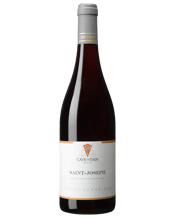
Beyond looking for the word “Rhône” on a wine list or label, there are a few other names to consider. If you see the words Côte Rôtie, you’ve landed in the region’s finest wines. If that makes you panic about prices, look for Saint Joseph – this appellation is known for making some of the best-value shiraz, which commonly get a dash of local white varieties, including marsanne and roussane, to create fresher, spiced styles. There’s a good spread of prices and styles from Crozes-Hermitage and Hermitage, which also tend to incorporate these same white varieties (don’t worry, the wine is still red). And Cornas uses only shiraz in its wines, which tend to be more intense and tannic than others in the region.
Others to consider: Corbieres and Minervois in the Languedoc-Roussillon – especially if you’re after bargains.
One word – Burgundy. Well, maybe two – white Burgundy. This esteemed region does grow other whites like aligoté and pinot gris, but chardonnay wears the shiny crown here. There’s a swag of different chardy styles from across Burgundy – and, in turn, a broad spectrum of prices – but the best of them are coveted icons.
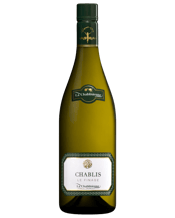
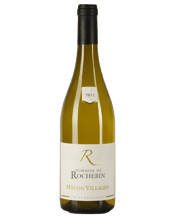
That’s certainly the case for Côte de Beaune expressions, which tend to be rich, elegant, oaked and complex. For more fruit-forward (and more affordable) styles, look out for those from Mâconnais (and names like Macon-Village, Saint Veran and Pouilly Fuisse). If you like your chardy zippy, flinty and with mineral notes, Chablis is your friend. Some get super pricey, but not all (case in point – Petit Chablis), so they’re well worth seeking out. For the region’s most straightforward styles (read: everyday crowd-pleasers) you’ll want to look for Bourgogne Blanc. This is, of course, over-simplifying things in a major way because each area is made up of many appellations, and it’s those names that often feature prominently on the label (all with their own distinctive characters, too). But this overarching breakdown of the four key production areas hopefully provides some direction to kick-start a white Burgundy exploration.
Others to consider: Chardy grows in Champagne, although most of it goes into bubbles, plus the Loire Valley, and, again, across Languedoc-Roussillon.
Love sauv? France makes some beautiful examples. If you think you’re a bit over this variety, keep an open mind because French styles can be very different. We’re talking about layers of flavour and texture, but with all those well-loved bright aromatics and high refreshment factor.
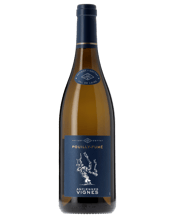
In short, you need to put the Loire Valley on your radar. The region’s two best-known appellations – what you’ll want to look for on bottles and wine lists – are Sancerre and Pouilly-Fumé. Sancerre expressions tend to be a little costlier than Pouilly-Fumé and the other appellations, but the Loire doesn’t tend to hit the same price heights as other regions in France. These sauvignon blancs have the classic grassy, herbaceous and gooseberry notes, but bright citrus flavours, high acidity and smoky characters can add complexity. Pouilly-Fumé styles can be a touch richer, but as with every style and region, there are always exceptions. A number of French producers give their sauvs time in oak (known as fumé blancs, which you’ll also see on some Aussie labels to denote this style), and these are great ideas if you sometimes find sauv a bit simple. They’re all bang-on for sunny afternoons with friends.
Others to consider: Sauvignon blanc is an important variety in Bordeaux, but in that region, it’s most commonly blended or produced in a sweet dessert style.
The cabernets and blends from France’s Bordeaux region have become renowned in more recent times for their high prices. But with this iconic region having an especially complex set of wine classes and hierarchies, it means there are also many solid options at the more affordable end of the spectrum.
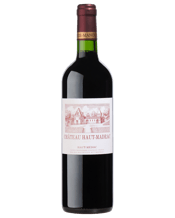
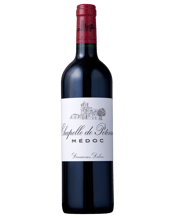
Essentially, if you’re into cabernet, you’ll want to head to the left bank of Bordeaux – the Medoc and Graves. With cabernet here often blended with other reds like merlot, cabernet franc, malbec and petit verdot, these wines are regaled for their rich fruit flavours, graphite-like minerality, power and elegance. Open a fancy wine list and chances are you’ll spot the left bank’s key subregions on its pages – Pauillac, Margaux and Saint-Julien are just a few. It’s worth noting that the right bank makes merlot-dominant blends, which are great wines to try so you can see what cabernet brings in a supporting role. If you’re after an approachable starting point for cabernet from Bordeaux, look out for Haut-Medoc, which is a haven for fantastic value, or ask your waiter and bottle-o staff to point you to something similar.
Others to consider: Cabernet can be found in the Languedoc-Roussillon, and its presence is increasing in France’s south-western wine regions.
Fans of pinot should zoom in on Burgundy – like chardonnay, pinot noir thrives in this region. And while Burgundy is home to many celebrated wines with super-charged prices that make it onto many collectors’ wishlists, there’s plenty of other good stuff for the rest of us.
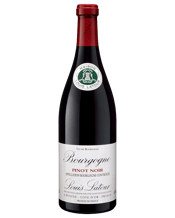
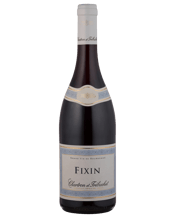
Côte Chalonnaise is a good place to start for a more affordable entry to French pinot. This area is made up of various appellations, but none are classified as the best of Burgundy, which means you’re definitely still getting some great wines – just at more approachable prices. The pinots from Côte de Beaune and Côte de Nuits are some of the most coveted in the world, with prices to match this demand. Wines from the likes of Chambolle-Musigny, Pommard and Gevrey-Chambertin are among the most expensive in the world – find someone else to buy you one of those. In the meantime, look out for words like “Village” and “Bourgogne” on red Burgundy labels and wine lists because these classifications reflect the region’s more affordable wines.
Others to consider: Pinot is grown in the Loire Valley and brilliant examples are now found in Alsace, but it’s safe to say that Burgundy is the place for pinot in France. If you love this style, however, don’t overlook its neighbouring region Beaujolais, where the best gamays are starting to hit the same highs as Burgundy.



%20(1)?$dans-daily-web-image$&hei=900)
?$dans-daily-web-image$&fmt=png-alpha&wid=800)