


Are these wines siblings, twins, or one and the same?
Put very, very simply, syrah is the French name given to wines made from the syrah grape, and shiraz is the name we’ve given to it down under. But there’s far more to it than that.
First, some history. France is the motherland of the syrah grape, grown most commonly in the northern Rhône region. Cuttings of the syrah vine were first introduced to Australia by European colonists in the 1800s. In Australia, we like to put our own spin on words. Barbie, bevvy, bottle-o, tinnie, to name a few. We gave syrah the same treatment and it came to be known as ‘shiraz’ – no one truly knows why.
What we do know is that the grape flourished in Australia’s warm climate, and this led to a distinctly different taste. So whilst the grapes and production methods of syrah and shiraz are the same, the resulting wines are noticeably different.
Unsurprisingly, the French (mostly) haven’t adopted our nickname and continue to call it ‘syrah’ to this day. That said, France typically doesn't label wines with the grape variety. Instead, they focus on where a wine comes from (also known as their “appellation”), leaving it up to the drinker to know what grape that is. For example, this Cave de Tain syrah hails from Crozes-Hermitage appellation, and is therefore labelled as such. Confusing, we know. But the store or bar you’re buying from will be able to help you out.
To add to the confusion, some Australian wineries have begun labelling their shiraz as syrah – a nod to the fact that their wine is closer in taste to something from the Rhone Valley than your typical Aussie shiraz. And you’ll find the flipside in France, too. Basically, these days the two terms are more of an indication of style than origin.
Let’s start with the similarities. No matter where the wine comes from, there are some basic characteristics that don’t really change with the country or climate. You can expect these wines to be bold and dry, dark red in colour, and full-bodied. From the first sip you’ll get those rich berry flavours that make it such a classic. As that begins to fade, you may notice hints of pepper, spices and chocolate, with a dry finish.
Wines made from these grapes typically have medium to high tannins (responsible for that grippy feeling in your mouth) and acidity. This is a red wine that you can drink straight after it’s bottled, but its characteristics will continue to develop with time. Typically, you can age them up to a decade with notable expressions able to be cellared even longer.
So how do they differ? French syrah tends to highlight the herbaceous quality of the grape, with the fruit flavours taking a backseat. Think a bit more floral and savoury. Australian shiraz, on the other hand, is known for being fuller-bodied (and higher in alcohol), with a more concentrated flavour. We’re known for in-your-face, fruit-forward shiraz that’s instantly recognisable.
Now, for yet another twist, technically not all syrah comes from France – nor all shiraz from Australia. It’s just not that simple. This tasty grape is grown across the globe, with countries like Chile, Spain, the United States, Italy, New Zealand, and South Africa now making waves with their own versions. And how they decide to label their wines differs depending on the taste and climate.
Those from France, or those made in a similar ‘old world’ style or cooler climate, are usually labelled ‘syrah’. You can expect something a little more restrained in taste, perhaps more acidic or earthier. Wines from Australia, or warmer climates like South Africa and California (often known as ‘new world’ wines), will usually use the ‘shiraz’ label and are typically more fruit-driven and spicy.
As you may know, shiraz is now Australia’s most widely-planted varietal and is grown in almost every wine region across the country. But as we mentioned, climate is a significant contributing factor to the overall style of any wine – one of the reasons why wines of the same varietal can taste so different from region to region.
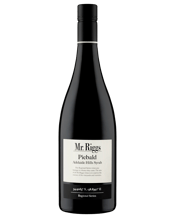
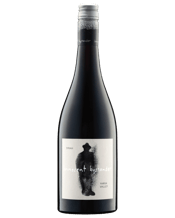
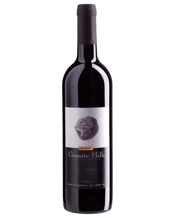
You might notice that Australian wine regions with warmer climates such as the Barossa Valley, McLaren Vale and Hunter Valley primarily use the name 'shiraz' – Barossa in particular is synonymous with big, muscular examples. However, if it's an Australian syrah you're after, it's worth looking to Australia's cooler climate wine regions such as the Adelaide Hills, Beechworth, Tasmania, and the Yarra Valley. Across the sea, our Kiwi cousins produce excellent syrah too, with top notch cool climate versions coming out of Hawke’s Bay in particular.
A bold red wine needs bold food to complement the flavours. Some ideal pairings include:
Beef burgers
Peppery barbecue
Soft and stinky cheeses
Grilled lamb
Pasta with rich tomato and meat sauce
Pork chops
Lamb ragout
Pulled pork
Rib eye roast
You probably notice a common pork and lamb theme in this list. Foods with a high fat content cut through the tannins and acidity nicely. For the best shiraz food parings you could consider burgers, ribs, or anything whacked on the grill. A herby, peppery syrah will find its match with lamb, duck, and other gamey meats. There’s a lot of crossover in flavour, so it’s hard to go wrong. Just avoid anything super light that will be overpowered by the big flavours of these wines – light fish or salads won’t do.










%20(1)?$dans-daily-web-image$&hei=900)
?$dans-daily-web-image$&fmt=png-alpha&wid=800)