

Or enter manually
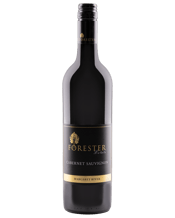 MEMBER OFFER
$30 eachNon-Member: $37.99 eachSponsored
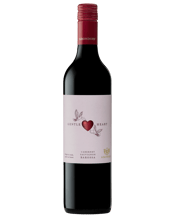 $16.99 Each$16.20 in any six
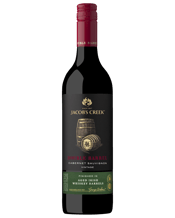 $17.95 each$17.95 in any six
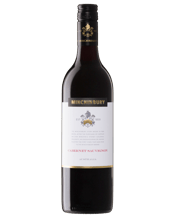 $6.99 each$6.65 in any six
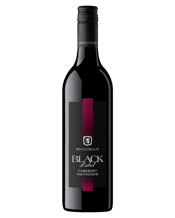 $6.90 each$6.60 in any six
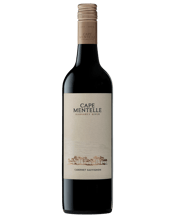 $54.99 Each$52.30 in any six
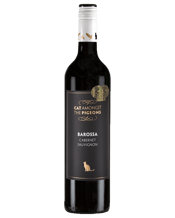 MEMBER OFFER
$13 eachNon-Member: $15.99 each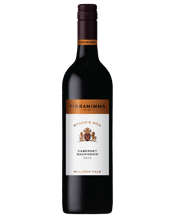 MEMBER OFFER
$16 eachNon-Member: $18.99 eachDelivery Only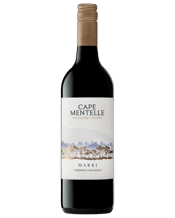 MEMBER OFFER
$16 EachNon-Member: $21.99 Each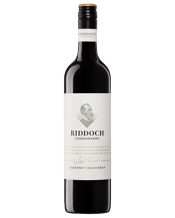 MEMBER OFFER
$12 EachNon-Member: $15.99 Each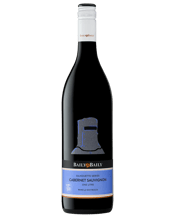 $7.99 each$7.60 in any six
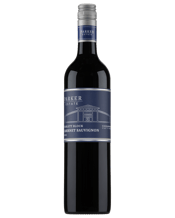 $24.99 each$23.80 in any six
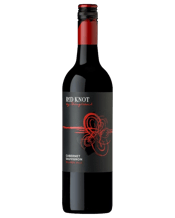 MEMBER OFFER
$11 EachNon-Member: $12.99 Each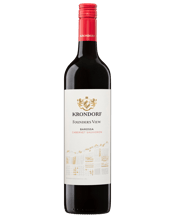 MEMBER OFFER
$17 EachNon-Member: $23.99 Each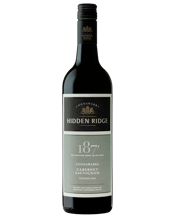 $13.99 Each$13.30 in any six
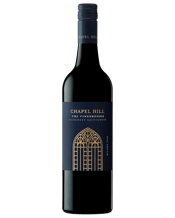 MEMBER OFFER
$20 eachNon-Member: $24.99 each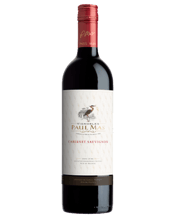 MEMBER OFFER
$11 EachNon-Member: $12.99 Each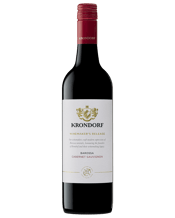 MEMBER OFFER
$14 EachNon-Member: $16.99 Each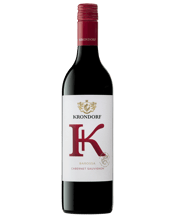 MEMBER OFFER
$10 EachNon-Member: $13.99 Each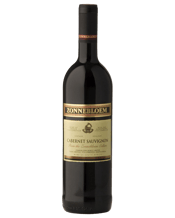 MEMBER OFFER
$12 EachNon-Member: $14.99 Each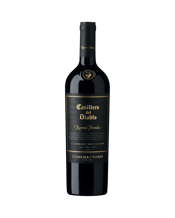 MEMBER OFFER
$23 EachNon-Member: $27.99 Each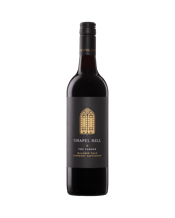 $16.99 Each$16.20 in any six
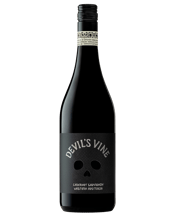 $11.99 Each$11.40 in any six
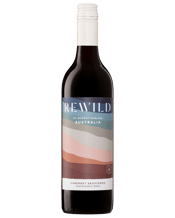 MEMBER OFFER
$8 EachNon-Member: $9.99 Each MEMBER OFFER
$10 EachNon-Member: $14.99 Each






1. What does Cabernet Sauvignon taste like?
Cabernet Sauvignon is a full-bodied red wine known for its bold, complex flavour profile. You can expect intense dark fruit flavours including blackcurrant, blackberry, and black cherry, followed by secondary notes of dark chocolate, cedar, tobacco, and vanilla (particularly in oak-aged varieties). The wine typically has firm tannins that create a dry, slightly grippy mouthfeel, balanced by moderate to high acidity. Many Cabernet Sauvignons finish with earthy, woody, or spicy notes. The exact taste varies by region - Australian Cabernet Sauvignon often shows ripe fruit character with eucalyptus hints, whilst cooler climate versions tend toward more herbaceous, structured profiles.
2. What is the ideal serving temperature for Cabernet Sauvignon?
Cabernet Sauvignon should be served between 15-18°C (59-64°F) to bring out its best characteristics. Serving too cold (below 12°C) will mute the wine's complex aromas and make the tannins taste harsh, whilst serving too warm (above 20°C) can make the alcohol too prominent and the wine taste flabby. If your bottle has been stored at room temperature, place it in the fridge for about 15-20 minutes before serving. Always use a large-bowled red wine glass and hold it by the stem to maintain the proper temperature. Decanting Cabernet Sauvignon for 30-60 minutes before serving can also soften tannins and enhance flavours, especially for younger or premium bottles.
3. What food pairs best with Cabernet Sauvignon?
Cabernet Sauvignon pairs exceptionally well with rich, fatty red meats due to its high tannin content, which cuts through protein and fat beautifully. Classic pairings include:
Grilled or roasted beef (ribeye, sirloin, beef Wellington)
Lamb (rack of lamb, lamb shanks, rosemary lamb chops)
Aged hard cheeses (aged cheddar, Gruyère, Manchego)
Hearty stews and braised dishes (beef bourguignon, oxtail)
Mushroom-based dishes (portobello steaks, mushroom risotto)
The wine's structure and tannins also complement dishes with rich sauces, such as peppercorn or red wine reductions. Avoid pairing with delicate fish, spicy Asian cuisine, or light salads, as the wine's intensity will overpower these foods.
4. What's the difference between Cabernet Sauvignon and Shiraz?
Whilst both are popular full-bodied red wines, Cabernet Sauvignon and Shiraz (Syrah) have distinct characteristics:
Cabernet Sauvignon:
Flavours: Blackcurrant, black cherry, cedar, tobacco
Higher tannins, more structured
Higher acidity
Typically more restrained and elegant
Often benefits from longer ageing
Shiraz:
Flavours: Blackberry, plum, pepper, liquorice
Softer tannins, rounder mouthfeel
Fuller body with riper fruit character
More immediately approachable
Often shows spicier, more jammy qualities
Australian Shiraz tends to be particularly fruit-forward and bold, whilst Cabernet Sauvignon maintains a more classic, structured profile. Both pair well with red meats, but Shiraz can handle slightly spicier dishes better due to its fruitier character.
5. How long can you keep an opened bottle of Cabernet Sauvignon?
An opened bottle of Cabernet Sauvignon will typically last 3-5 days if stored properly, which is longer than lighter red wines due to its higher tannin content and structure. To maximise freshness:
Re-cork or seal immediately after pouring
Store upright in the fridge to slow oxidation
Use a wine preservation system (vacuum pump or inert gas spray) for best results
Bring back to serving temperature (15-18°C) before drinking again
You'll know the wine has gone off when it develops vinegar-like aromas, tastes flat or overly acidic, or shows browning at the edges. Premium, full-bodied Cabernet Sauvignons with higher tannin levels may last slightly longer than lighter styles. For unopened bottles, most Cabernet Sauvignons can age 3-10 years, with premium examples improving for 15+ years when stored correctly.
6. What are the best Australian regions for Cabernet Sauvignon?
Australia produces world-class Cabernet Sauvignon across several renowned regions, each with distinctive characteristics:
Coonawarra, South Australia: Famous for its terra rossa soil, producing elegant, structured Cabernet with mint and eucalyptus notes alongside classic blackcurrant flavours. Considered Australia's premier Cabernet region.
Margaret River, Western Australia: Produces refined, Bordeaux-style Cabernet with excellent balance, herbaceous complexity, and ageing potential. Often blended with Merlot and Cabernet Franc.
Barossa Valley, South Australia: Creates richer, more powerful styles with concentrated dark fruit and chocolate notes, often with higher alcohol levels.
McLaren Vale, South Australia: Offers lush, approachable Cabernet with ripe fruit character and softer tannins, excellent value for money.
Yarra Valley, Victoria: A cooler climate region producing more restrained, elegant styles with higher acidity and savoury characteristics.
Each region's climate and soil contribute unique qualities, so exploring different Australian Cabernet Sauvignons is a great way to discover your preferred style.