Vine Guide: Heathcote edition

There’s so much more to this Central Victorian region than just great shiraz (but there’s a whole lot of that, too).
There are the household-name Aussie wine regions that people know and love, and then there are, well, the others. And while all the Margaret Rivers and Barossa Valleys around the country have truly earned their celebrated status, there are so many other regions worth shouting about. Case in point? Heathcote. We’re not really suggesting this Central Victorian region is a hidden gem, but as one of the nation’s best places to find brilliant wine, we don’t think it gets the fanfare it deserves.
This is serious shiraz country, after all – one of Australia’s favourite wines. Traditionally, Heathcote has been painted as the home of big, bold shiraz, but the reality is there’s a whole lot more going on under the hood. Producers across the region are taking full advantage of their ancient red soils by growing and making an increasing range of varieties in an impressive spread of styles. Reds especially thrive here, including cabernet as well as emerging varieties, but a suite of great whites are now turning heads, too.
Less than a two-hour drive north of Melbourne, Heathcote is home to about 40 wineries plus growers tending to even more vineyards across the region. Once a goldmining and logging hub, Heathcote’s vines were first planted in the 1860s, but the onset of the vine pest phylloxera destroyed those early vineyards. A new wave of vines came in the 1950s, but it wasn’t really until the 1970s that a renewed focus on grape-growing and winemaking hit the region. It’s been on the up ever since, and they also know how to throw a party – the Heathcote Wine & Food Festival is one of the state’s best events of its kind each year.
Indigenous name: Dja Dja Warrung and Taungurung Country
Elevation: 112-599m
Total vine area: 1836ha
Average amount of wine produced: 5855 tonnes
Soil: Cambrian greenstone
Climate: Temperate, with cool winters, warm summers and mountain breezes
Mean temp: 21.7°C
Average growing season rainfall: 279mm
White grapes: 32%
Red grapes: 68%
1. Shiraz 49%
2. Chardonnay 27%
3. Cabernet sauvignon 3%
4. Grenache 3%
5. Mourvèdre
- Heathcote’s soils are said to date back around 500 million years, which is a massive factor behind what makes these wines so distinctive.
- Heathcote was officially recognised as an Australian Geographical Indication, or GI, in 2002, making it one of this country’s more recently legislated wine regions.
- The Heathcote Wine & Food Festival is held each October, drawing more than 4000 people to the region to discover the local produce and explore the surrounds.

Shiraz has stolen the limelight here for a long time. And it deserves it – we’re talking rich, balanced, crowd-pleasing shiraz. The region’s styles and expressions vary, but dense flavours, savoury characters and layers of complexity are common among them. In short? They’re yum. Shiraz is the grape that put the region on the map (and many producers beyond its borders buy their fruit here), but it’s not the only star of the show.
Cabernet has played an important role in Heathcote and it’s well-loved for its black-fruited richness, with mint and spice also in the mix. Cabs often lean to the bolder, super-structured side of things, but Heathcote produces some deliciously drinkable styles. In terms of newer plantings, tempranillo, grenache and sangiovese are right at home here, with further Spanish and other Mediterranean varieties slotting right into this region’s warmer conditions.
When it comes to whites, chardonnay is the most planted variety by a long shot, and Heathcote’s styles span everything from fresh to rich, typically with melon and stone fruit flavours. Given the fact shiraz flourishes in Heathcote, it’s no surprise the grape’s white counterparts from its native French home in the Rhône – roussanne, marsanne and viognier – also thrive here, but other varieties have settled in beautifully, such as the textural Italian white fiano.
It’s impossible to talk about Heathcote without mentioning a handful of top producers who’ve helped drive this region. There’s Jasper Hill, with founders Ron and Elva Laughton among the early producers to set the regional benchmark. Taking a fully organic approach since the beginning – they planted in the ’70s, and their first vintage was 1982 – their wines are among the region’s finest. Today, daughters Emily and Georgia (you’ll spot their names on some of their best wines) are integral in the business, and this family team continues to innovate.
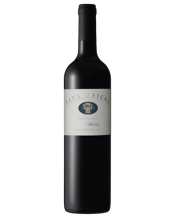
Paul Osicka Wines is another early pioneer, having planted vines in Heathcote back in the 1950s. Like Jasper Hill, the family legacy lives on with Simon Osicka now leading the winery alongside his viticulturist wife Alison Phillips.

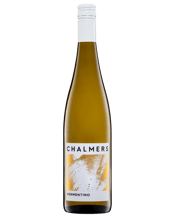
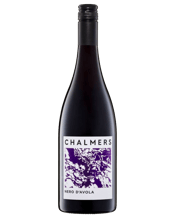
There’s also the Chalmers family, who we can all thank for giving us some of our most exciting wines – they’ve long imported some of the world’s greatest grape varieties and trialled them here, going on to sell the vines and fruit to a swag of other producers around the country. It’s this hard work that’s the reason we can enjoy Aussie takes on the likes of vermentino and nero d’Avola, to name just two. The family first planted in Heathcote in 2009, and today, they grow more than 24 different grape varieties at the site for their own range of Chalmers wines.
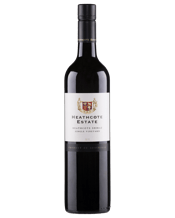
At Heathcote Estate, vines were planted in 1999 with the specific goal of making single-vineyard shiraz. With award-winning winemaker Tom Carson at the helm (this is the sister winery to Yabby Lake), they do that exceptionally well, but their range has since extended to also include the likes of rosé and nebbiolo.

No one-trick pony, Heathcote is a region consistently trialling new ways of doing things to refine its techniques and, in turn, its wines. In the context of a warming climate, producers are exploring the most suitable grape varieties for their sites as well as finessing their wine styles.
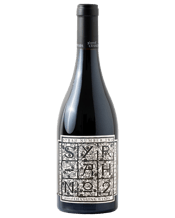
Syrahmi is an excellent example of a local producer doing things their way. Chef-turned-winemaker Adam Foster sources shiraz, grenache and mourvèdre from various sites across the region, and these vineyards change from year to year. The resulting wines are given different names to reflect their origins, and these reds are generally lighter-framed and more delicate than you might expect.
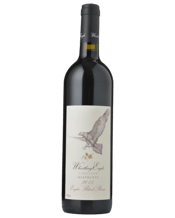
Wild Duck Creek is a small, multi-generational family winery that’s built a solid following for its shiraz and cabernet releases, and Rhône whites. For something different, their standout white blend of marsanne, viognier, roussanne and grenache blanc offers a textural wine loaded with flavour.
Another small, hands-on producer, Condie Estate is all about using traditional techniques, including hand-pruning and picking, and their wines are renowned for being concentrated expressions of what the region does best. In addition to shiraz, they turn out great sangiovese, vermentino, white blends and more.
And as just one example of a producer from beyond Heathcote doing great things with its fruit is relative newcomer Place of Changing Winds. Based in nearby Macedon Ranges, this team is using Heathcote shiraz to craft top-quality and accessible expressions of what this region does best.