


How this super-cool place became so hot.
How this super-cool place became so hot.
Even if you’re not big into wine, there’s a good chance you’ve still picked up on all the buzz about Tasmania in recent years. This little island has become a main character in the Aussie wine story, winning over wine lovers and producers alike who’ve fallen for its cool-climate styles. Vineyards right across the state have been snapped up by producers from near and far, and the wines rolling out of here are riding high.
But what is it about Tasmania that makes such good wine? What are the wine styles they do best? And what can we expect from these wines? All good questions, friends, which is why we’ve delved into what gives Tassie the edge below.
Tasmania, the state, is recognised as just one wine region, despite its different growing areas, soils, conditions and climates. It’s one of 65 official winegrowing regions in Australia, and, in comparison to many, Tasmania is one of the new kids when it comes to making wine. Grapes were first planted here back in the 1820s, but it wasn’t until the 1950s that wine became a focus once more and new vineyards were established. The industry has since taken off in much more recent times, and while its best vineyards are true world-class contenders, Tassie’s very best sites might not be planted yet – or even discovered.
The state can be split into two key areas in terms of its wine production – Northern Tasmania and Southern Tasmania – and there are seven unofficial subregions across the island. These include the North West, Tamar Valley and Pipers River in the north, and the East Coast, Coal River Valley, Derwent Valley and Huon Valley/d’Entrecasteaux Channel in the south.
So, what does this all mean? In addition to offering some of the best conditions for growing a whole suite of wine varieties that love the cold, the climate also brings a much longer growing season – harvest often runs well into April, and, in some years, May or even June, whereas most other regions are long done by then. “The main thing is that if you picture a delicate little grape, the longer it sits out there on the vine, the more flavour intensity and structure develops,” Sheralee says. These are all excellent things when growing and making wine.
Certain wine varieties thrive in chilly conditions, and chardonnay and pinot noir are prime examples. Not only do these two varieties create pristine still wines here, but they also go into the state’s benchmark sparkling styles along with pinot meunier. In fact, almost 40% of all wines produced in Tasmania are bubbles and many are genuinely competing on the world stage, besting top tier French Champagnes (at a much lower price). Aromatic white varieties are very happy here too, including riesling, sauvignon blanc and pinot gris and grigio. Think lifted, pretty and fruit-pure whites. Pinot noir makes up almost half the total fruit grown in Tasmania, so it’s by far the majority red grape, but distinctive styles of shiraz, cabernet sauvignon and merlot are found here, too.
All in all, Tassie makes a diverse range of wine varieties and styles, but Sheralee says there is a common thread among them. “The thing that connects Tasmanian wine is intensity,” she says. “You can be holding the glass a good 15cm away, and it will still all jump out of the glass. The wines have a mouthwatering zesty structure that bring your tastebuds to life, and that’s consistent across all growing areas.”
Not quite. Every wine region has its own set of unique challenges, and, for Tassie, that means risks like frost and wild winds, while disease pressure comes from humidity and rain. All of these elements can quickly do a lot of damage to vines. “That’s true of a lot of regions, but being an island and so isolated, we do get a lot of extreme weather,” Sheralee says. As a result, Tasmania has had a run of lower-yielding vintages in recent years, but 2024 brought a return to larger quantities of fruit.
These are the sorts of things that can push up the price of wine. Additional labour and the risks and time involved in growing and making wine all get factored into the final price. Despite only producing around 1% of the nation’s wine, Tasmania is now fifth of all 65 Aussie wine regions in terms of value. That said, never fear – there are still plenty of reasonably priced top Tassie wines out there that offer excellent bang for buck.
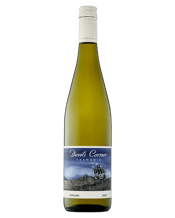
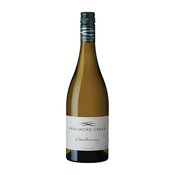
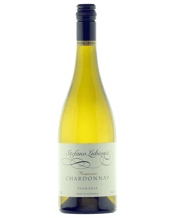
In the whites, the Devil’s Corner Riesling is a vibrant example, and if your local Dan’s has the Glaetzer-Dixon überblanc Riesling, grab it – this is a fan favourite among people in the know. For chardy, the Frogmore Creek and Stefano Lubiana Primavera demand a try – both are pristine with mineral notes that are typical of Tassie examples.
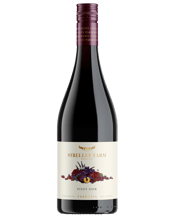
And if you want a taste of Tassie’s much-loved pinot, look to Strelley Farm, Small Island and Domain Simha as just three examples, but there are so many more to discover. Be sure to ask for direction in-store to find styles that are going to be right up your alley. They’re out there.









%20(1)?$dans-daily-web-image$&hei=900)
?$dans-daily-web-image$&fmt=png-alpha&wid=800)