


Different drops or two names for the same thing? Let’s settle this.
Pinot gris? Pinot grigio? What’s in a name? Quite a lot actually. If you have any French or Italian, you’ve probably twigged that ‘gris’ and ‘grigio’ both mean ‘grey’, since the grapes are famously quite dark-coloured for a white variety. And yep, they’re made from the exact same grape. So why the different names? And why do Aussie winemakers not just call it ‘grey pinot’?
Well, that one’s obvious – ‘a glass of the grey stuff’ doesn’t sound quite as nice…
But the continued use of both French and Italian names, as with so many things in wine, comes down to history.
Pinot gris is the O.G. The grape itself is native to France – originally from Burgundy where it was likely born as a mutation from Pinot Noir. Its spiritual home, however, is in Alsace (yep, home of the famous Notre Dame), just north of Burgundy. Protected from rain by the Vosges mountains, the dry and sunny slopes of Alsace allow the grapes to ripen into a famously full-bodied, aromatic and spicy style. These wines are made to varying levels of sweetness – from bone-dry to full-blown dessert-wine.
What does a classic Alsatian Pinot gris taste like? Think all colours of apple, pears and nectarines, with soft hints of cinnamon spice, nutmeg and vanilla - yum! Just add cheese and charcuterie, and you’re in for a good time.
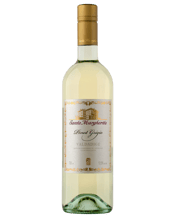
Pinot grigio, on the other hand, just goes to show how winemakers can get crazy different results from the same grape. This style belongs to north-eastern Italy.
In Italy, they tend to pick the grapes earlier and as a result, you get a bright, lively white with bags of freshness. The flavours are still recognisable, but there’s more acidity and less of the chewy mouthfeel. Think more citrus and green apples, with less of the spice. There’s no sweetness, either. The grapes don’t really get ripe enough to have the option. If you’ve got seafood on the menu, this is your go-to wine.









%20(1)?$dans-daily-web-image$&hei=900)
?$dans-daily-web-image$&fmt=png-alpha&wid=800)