

?$dans-daily-web-image$&fmt=png-alpha&wid=1400)
We’re ducking for cover as we deliver our take on 13 of the most common white varieties.
Are we gluttons for punishment? It seems that yes, we really are. After arranging 10 red wines from lightest to boldest and then copping the wrath of the internet about it, we’re back for more – this time with white wines. Why? Well, even though 10 wine experts would order the same whites in 10 different ways – and all still be correct – we think it provides a useful snapshot to understanding the key wines in terms of their body, or weight. Because sometimes, figuring out that you prefer a wine to feel light and fresh rather than rich and heavy as you take a sip – or vice versa – is more useful than any flavour descriptor or blurb on the back of a bottle.
Of course, there are loads of variables that need to be acknowledged here. White wine styles vary wildly – perhaps even more than reds. Factors like a wine’s age can impact its style, with fresh, zippy characters becoming richer and fuller over time. Then there’s the question of how long a wine spends in oak, its region and climate, not to mention the countless winemaker decisions that also shape a wine’s style. Were the grapes picked early to retain as much freshness as possible? Was the wine stirred on its lees, or yeast cells, to create a weightier wine? The variables are endless, so there will always be exceptions to the rule.
With all that in mind, we bring you our order of 13 of the most common white wines from lightest to heaviest (no, this doesn’t include every white wine, and yes, we’ve given pinot gris and grigio separate listings despite being the same grape – come at us!). Read up on what to expect from each wine, the classic food matches and benchmark regions, plus some standout examples to try.
What to expect: Riesling is one of the most aromatic whites out there. Australia typically produces dry styles full of lemon and lime flavours, floral notes (often a little like talcum powder – in a good way) and zippy acidity, which gives these wines vibrancy and drive. Light and fresh when young, riesling becomes round and honeyed with age, and it’s wildly underrated, which means it offers incredible value.
Classic matches: Riesling’s trademark acidity, freshness and citrus flavours make it an easy fit with a whole lot of dishes, but it truly shines with seafood – oysters with a squeeze of lemon are a chef’s-kiss match. It’s also great with curries and spice, especially if the riesling style leans a touch sweeter.
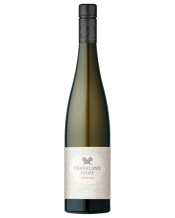
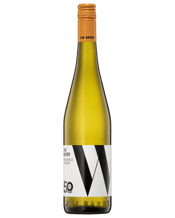
Key regions: Riesling’s native Germany and France’s Alsace are global benchmarks for this variety, which loves a cool climate. Here, SA’s Clare Valley and Eden Valley, and WA’s Great Southern are just three of our flagship regions. If you can find the Frankland Estate Riesling, do yourself a favour and grab it. Or revel in the value of the Jim Barry Watervale Riesling.
What to expect: Straight semillon is a rarity in the wine world, and Australia owns this style. We’ve placed semillon here because when young, it’s crisp and zesty, with citrus and green apple flavours, and great acidity. With age, however, it develops into an entirely different beast – all lanolin and waxy notes, with a much richer palate. It’s fresh and versatile, and another seriously underrated wine.
Classic matches: Sharing similar traits with riesling, semillon loves seafood – oysters, prawns, sushi and sashimi, scallops… You can’t go wrong. Aged examples work just as well, as their complexity and layers meet seafood’s flavours and textures beautifully.
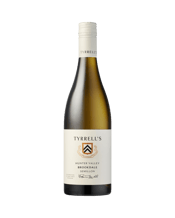
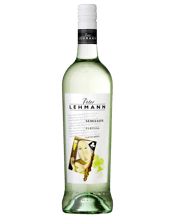
Key regions: The Hunter Valley flies the flag for semillon, and incredible expressions are made across the NSW region. SA’s Barossa has also long made semillon, often a touch fuller than Hunter styles. Keen to try both? Go for Tyrrell’s Brookdale Semillon and the Peter Lehmann Semillon.
What to expect: Few wines are as easy to pick as sauvignon blanc, with its gooseberry, passionfruit and tropical fruit characters, and trademark high acidity adding to that unmistakable brightness. It really does jump out of the glass. Another aromatic variety that loves a cold climate, styles range from overtly fruity to more restrained, and you’ll often find grassy, more vegetal flavours in there, which balances it out nicely.
Classic matches: Bold sauvs can be a tricky match because there’s so much going on, but they’re right at home with fresh green veg – think asparagus risotto or crunchy salads loaded with fresh herbs. If all else fails, pull out a cheese platter (goat’s cheese essential) and call it a night.
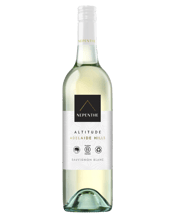
Key regions: Sauv is native to France’s Loire Valley, home to Sancerre, where it comes in varying styles, often with minerality a core trait. New Zealand’s Marlborough is famous for sauv in all its fruity glory, while SA’s Adelaide Hills has some classy examples. Our pick? Nepenthe Altitude Sauvignon Blanc – that price alone makes it a winner.
What to expect: Yes, pinot grigio and gris are made from the same grape, but they’re two distinctly different styles, so we’ve split them. This isn’t like the blurred lines of syrah and shiraz; pinot grigio, taking its cues from Italy, is consistently light, crisp and fresh. Expect flavours like green apple and citrus in an approachable – and approachably priced – wine that’s perfect on the dinner table.
Classic matches: A lot about pinot grigio makes it very versatile with food. Take your lead from the Italians and serve it with everything from salty aperitivo snacks and a range of pastas to roast chicken and more. It won’t get in the way of the meal.
Key regions: France’s Burgundy is pinot grigio’s OG home, but it now thrives around the world. It’s a key wine for Italy’s Veneto, Fruili and Alto Adige, and various Aussie regions are putting their stamp on it, too. For a fresh, clean Italian example, try the Barone Montalto.
What to expect: Grüner is a tricky one because this native Austrian variety can be zippy, fresh and riesling-like, as well as richer, creamy and bigger bodied. Styles are shaped by everything from the grapes’ growing conditions to their treatment in the winery. Still, expect subtle white pepper notes, citrus and stone fruit flavours, herbal and vegetal characters and often minerality, too. It can be complex and layered, and we’re big fans.
Classic matches: Another very flexible wine with food, grüner is great alongside spice, fried foods like fish and chips, or a crispy schnitzel (it’s no surprise that’s also from Austria). Don’t overlook veggie dishes that hero the likes of asparagus and artichokes.
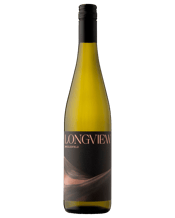
Key regions: Grüner veltliner is the signature white of Austria, with almost all regions producing an array of styles. It’s newer to our shores, but forging ahead beautifully, particularly in the cool Adelaide Hills. One of our favourite locals is the Longview Macclesfield Grüner Veltliner.
What to expect: Should albariño come earlier in this list? Some styles for sure. While it’s known for its acidity and refreshing fruit flavours, albariño can also have a little more weight on the mid-palate thanks to richer notes like melon and stone fruit, and more texture. It also often shows a subtle salty quality and grassy notes, making it a smart pick for a table of people who all like different whites.
Classic matches: Coming from the Iberian Peninsula, where a meal often involves different flavours and dishes, albariño is another top food wine. It cuts through fatty and oily dishes, but also suits salads, grilled veg, paella and all kinds of seafood. It’s from the coast, after all.
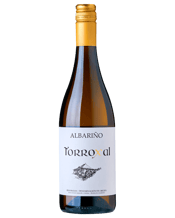
Key regions: Albariño is one of Spain’s best-known whites. It’s also big in Portugal, and now growing in various Aussie regions, too. To see what it’s all about, look for the dry and light Torroxal from Spain.
What to expect: Vermentino is typically light to medium bodied, but we’re placing it here because styles vary, often showing as a complex wine. So, what does vermentino taste like? Delicious, that’s what. Citrus flavours like lime, lemon and grapefruit sit alongside green apple and sometimes a nutty character, too. Good acidity lifts the wine, and our favourite examples come with a subtle lick of salt.
Classic Matches: Hailing from the island of Sardinia, vermentino’s classic match is sardines, so oily seafood is a winning combo. Think grilled sardines, salmon and tuna, but it will also play nice with sausages, seafood pastas and many herb-heavy dishes, too.
Key regions: Being from Sardinia, it thrives in Mediterranean coastal climates. While championed in Italy, it’s also big in the south of France, and our own McLaren Vale is just one Aussie region where it’s living its best life. For a local benchmark that showcases this variety’s lighter side, don’t miss the Chalmers Vermentino.
What to expect: The yin to pinot grigio’s yang (or is it the other way around?), pinot gris is traditionally made in the richer, bigger-bodied French style. Much of that comes down to more residual sugar, which adds weight and a soft sweetness on the finish. It’s far from a sweet wine, though, so expect ripe apple and stone fruit flavours and good acidity, also often with delicate spice notes.
Classic matches: Roast pork and pinot gris make magic together, with the wine cutting through the fatty meat to refresh the palate. Roast chicken is another great pick, while spicy dishes are also offset nicely by that residual sugar and intensity of the fruit flavours.
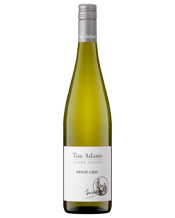
Key regions: Pinot gris shines in France’s Alsace, but this aromatic style is produced all over, with excellent examples from New Zealand, Germany, the US and many of our own regions. For a local highlight, try the Tim Adams Pinot Gris – it picked up a gong in our Best in Glass Wine Awards.
What to expect: This aromatic variety typically has more residual sugar than most, so gewürz has a noticeable fruit sweetness. Balancing it out, though, are complex aromas and flavours, including intense florals, rose water or Turkish delight (it’s a calling card), lychee and ginger, among others. It’s bright, but rich and rounded on the palate, and a lot more versatile than it might sound.
Classic matches: Those intense aromatics and sweetness make this an excellent partner for many Asian cuisines, especially those with a good hit of chilli – think curries, stir-fries, spicy soups and more. Strong cheeses also work well, with all those big flavours meeting together beautifully.
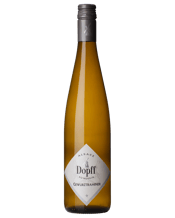
Key regions: Gewürz is another white that calls Germany and France’s Alsace region home. Aussie producers are working with it in cooler regions like Tasmania, and New Zealand is also producing excellent expressions. For a classic Alsace gewürz, pour the Dopff Au Moulin with your next Thai takeway.
What to expect: With fiano comes texture – a rich, almost waxy mouthfeel and a weightier palate. But layered in there are fresh pear, melon, citrus and sometimes even pineapple notes, and a nutty-like finish. As with almost all wines in this list, fiano can be made crisper and lighter, but it’s traditionally a medium- to fuller-bodied wine with florals and spice also in the complex mix.
Classic Matches: Fiano can easily sub in for many other whites – pair it with roast chook, creamy pastas, grilled fish or even duck. Cheese also works a treat with fiano, especially those with similar nutty notes, as does chargrilled veg on the barbie.
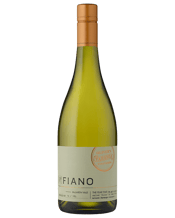
Key regions: Another Italian native, fiano is from Campania and grown in other regions of Italy, but it’s finding a very happy home in Australia, too. Top examples are coming from warmer regions, such as Heathcote, the Hunter Valley, the Riverland and McLaren Vale. See what it’s all about with the Oliver’s Taranga Small Batch Fiano.
What to expect: It’s especially hard to generalise about chenin blanc because it comes in so many styles; this is one malleable variety. Chenin can be dry, light and zingy, a touch sweet, but perhaps more commonly, heavier and fuller on the palate. You’ll get richer flavours like pear, melon and tropical fruits, plus citrus, ginger and honeysuckle notes. It’s tempting to liken chenin to chardonnay, if anything, but that doesn’t do it justice.
Classic matches: If you’re ever stuck on a white to pair with dinner, chances are chenin is the answer. Super food-friendly, this wine works with seafood like scallops and marinara pasta, as well as roasts, risotto, spicy food, charcuterie, cheese and more.
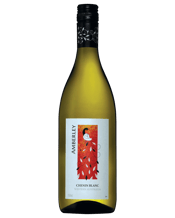
Key regions: Originally from France’s Loire Valley (look for “Vouvray” on the label for some highlights), chenin has since spread far and wide, including to South Africa, where it’s their flagship white. Australia has also embraced it, with Margaret River, McLaren Vale and Swan Valley among our key regions. Try the super affordable Amberley Chimney Brush Chenin Blanc from WA.
What to expect: Rich and ripe and with an oily palate, viognier is a distinctive variety that produces generous wines made for food. Super aromatic, viognier is floral and bright, with big stone fruit flavours, particularly apricot, along with peach and even mango, and it has spiced notes, too. Often described as luscious, viognier can have a creamy texture, thanks to time spent in oak.
Classic matches: A traditional roast chicken is our favourite match. Just know this is no aperitif wine (although diehard chenin fans may disagree), so it really comes into its own with food; go for mild curries, rich seafood, dishes with lashings of cream-based sauces, roasted pork belly, aromatic stir-fries, creamy cheeses… You get the idea.
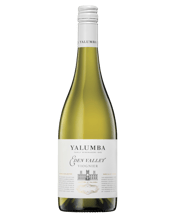
Key regions: Viognier hails from France’s Rhone Valley (commonly blended with other regional whites like roussanne and marsanne), but it’s since travelled, including to the US, New Zealand and to us in Australia. Yalumba has long championed this variety, and their Eden Valley Viognier is a great example of a textured, ripe style that still has freshness.
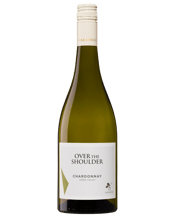
What to expect: Many chardy styles would come well before this final spot, but it’s an incredibly broad spectrum. With crisp, high-acid, pure-fruited styles at one end, and rich, ripe and rounded styles at the other – and everything else in between – chardonnay can be moulded in countless ways. There are consistent fruit flavours, though, including apple, pear, citrus and melon, and oaky notes of vanilla, butter, toast, cashews and almonds.
Classic matches: Chardonnay and chicken are a perfect match, whether it’s roasted, grilled, covered in a creamy sauce or even in burger form. Rich pastas are another great match (carbonara is bang on), as are seafood, salads, pork dishes and cheese, to name just a handful.
Key regions: Native to France, chardonnay is the world’s most widely planted white grape, so you can try distinctly different examples from almost any winemaking nation (and region) – Australia included. Cool climates tend to produce a leaner chardy, while warmer conditions generally make richer wines, but there’s so much nuance between styles, it’s best to sample widely. Start with Victoria’s Yarra Valley – Oakridge is one of Australia’s top chardonnay makers.







%20(1)?$dans-daily-web-image$&hei=900)
