


From creamy chardonnay to bold shiraz, oak leaves its mark in many different ways.
Have you ever tried a wine and picked up flavours like vanilla, chocolate or cedar? Maybe you thought the wine was a little creamy or toasty? It was probably thanks to our old friend oak. Sure, grapes are the star of the show, but winemakers also love to include various species of the tree we call oak. Barrels made from oak have long been used to ferment, age and store wine, and the wood can have a big say in the final flavours, textures and overall style of the finished wine.
Are you ready for oak? Well, let’s barrel ahead (sorry) and find out why oak is so important in winemaking.
In the wine world, oak is crafted into barrels by a cooper – something that has been happening since at least Roman times. For most of that history, oak barrels were just the best way to store wine, since a well-made barrel is watertight (or is that wine-tight?) and pretty good at keeping sunlight out.
In modern winemaking, though, oak is used with a little more creativity and purpose. Coopers and winemakers create and pick barrels with flavour, texture and style in mind. There are plenty of factors that can influence the finished wine, from the level of ‘toast’ (where the staves of the barrel are exposed to a hot flame) to the type of oak, the size of the barrel (typically from 225 to 500 litres) and whether the barrel has been used before.
There are two other reasons to use oak for fermenting and ageing wine – air and tannins. While winemakers can age wine in containers made from materials like stainless steel and concrete, these don’t impart much character to the wine. Oak, on the other hand, leaches out slightly astringent tannins (which are good for preserving the wine and adding depth) and just a tiny bit of oxygen, and that helps transform the wine as it ages.
We touched on the effects of oak above, but let’s look a little closer at some of the factors that are considered when it comes to oak in winemaking.
Type of oak
One of the big choices a winemaker has to make is the type of oak to use (if they’re using any at all), with French and American being by far the most common. American oak is known for lending big, rich flavours like vanilla and coconut, while French oak tends to be a little more restrained, imparting notes like cedar and spice.
Oh, and, if you’re wondering, yes, you can age wine in barrels made from other woods. Historically, trees like chestnut and acacia were relatively common, but not so much these days.
Toast level
Coopers can toast the inside of the barrel to add another level of complexity to a wine. A light toasting can add a little woody aroma (and bring out more of the natural barrel flavours) while heavier toasting can give coffee, cocoa and charcoal flavours to the wine.
Barrel size
The most common size is sometimes called a Bordeaux barrel and has a 225-litre capacity, but barrels as small as one litre and as big as 2,500 litres (called ‘foudres’) are available, while the Heidelberg Tun can hold a ridiculous 219,000 litres.
The size of the barrel makes a big difference to the finished wine, with smaller barrels having more wood in contact with the wine, which imparts more flavour and tannin. Bigger barrels are good for a more restrained flavour profile.
Barrel age
Ever hear terms like ‘new oak’? It’s not because they just brought out the latest model (although that might be cool); instead, it’s referring to the fact that the oak has never been used before. Oak has flavour that it gives to wine, and each time the barrel is filled and emptied and refilled, it loses a little of that flavour. That’s not always a bad thing because not every winemaker wants a full whack of oaky flavour.
Not every wine variety is treated with oak – stainless steel tanks are a common alternative as they help to retain a wine’s freshness. But if you’re looking to try some oaked wines, the following selection is a good starting point.
- Red wine
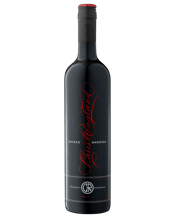
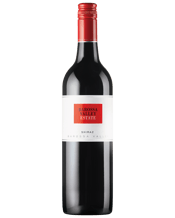
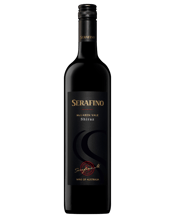
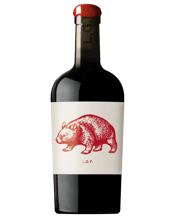
Plenty of the reds we drink benefit from some time in oak. Think of those big, fruit-driven Barossa or McLaren Vale shiraz styles. They’re often rich, ripe and high in alcohol, with natural flavours like plum and blackberry. Oak (often American) adds another layer of richness, with toasty coconut and sweet vanilla notes rounding it all out.
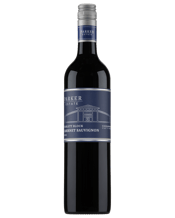
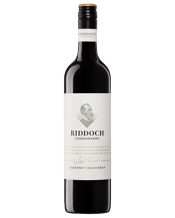
Another classic red that benefits from oak ageing is cabernet sauvignon. Oak can add flavours like spices, tobacco, chocolate and cedar to a wine with cassis or mint flavours (as in the case of Coonawarra cabernet), creating a complex, ageworthy wine.
Other reds commonly oaked include pinot noir (which tends to benefit from the subtler flavours of French oak) and Spanish varieties from Rioja, such as tempranillo and blends.
- White wine
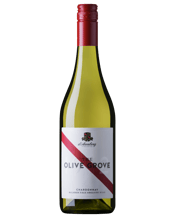
Probably the most obvious use of oak in the wine world is in our old friend chardonnay. While oaked chardonnay is back in vogue these days, wine fashion swung against it for a while – probably due to winemakers being a little too heavy-handed. Whatever the case, oak can be a great thing for chardonnay, giving it anything from a subtle creamy texture to a rich, buttery flavour profile. Burgundy has a reputation for the former while Californian winemakers are the kings and queens of big oak bombs.
In general, white wine is less commonly oaked than reds, but there are some other famous styles. Sauvignon blanc (particularly the fumé blanc style) can trade the zippiness of modern sauvs for a richer, more textural profile. The white Rioja wines of Spain and white varieties from Bordeaux in France tend to spend time in oak, too.






%20(1)?$dans-daily-web-image$&hei=900)
?$dans-daily-web-image$&fmt=png-alpha&wid=800)