


This wine word is everywhere, but what exactly are tannins? And why should you care?
From silky and velvety to chewy and chalky, wine talk can get pretty out-there. But the point of these types of descriptions is to illustrate how a wine feels in your mouth – and this has a whole lot to do with tannins. If you’re newer to wine and find it tricky to tell your blackcurrant from your blueberry, or leather from tobacco (so not important, FYI), the good news is tannins can be easier to pick.
Chalky tannins, for example, sound pretty unappealing, let’s be honest. But there’s no mistaking when you sip a red wine and your mouth feels like it’s coated in a fine, chalk-like powder. As strange as that might seem, when this element brings just the right amount of grip or texture to the palate, it can add some real interest to the wine. It’s a similar story for many other related sensations, including smooth and plush tannins, which perhaps sit at the other end of the scale. These tannins often lead to a wine being described as classy or elegant, with that full, soft mouthfeel leaving a similarly obvious impression.

So, where do tannins come from? It’s not just a wine thing – tannins come from chemical compounds that are also found in other natural products, with tea being one of the most familiar. Melbourne-based wine educator Nicole Bilson often suggests students experiment with tea to better understand tannins. “Put a black tea bag in a cup of hot water, have a taste and consider how it feels in your mouth. Leave it in there another minute, come back for a taste, and compare how drying it is. Then taste it after five minutes, and again after 10, and it will be really astringent. That’s the tannin in your tea drying out your mouth, just like it does in wine.”
In wine, tannin mostly comes from the grape’s skin, seeds and stems, as well as the oak barrels used in the ageing process. Tannins vary between wines because some grapes naturally result in higher levels (we’re looking at you, cabernet sauvignon). It also has a lot to do with how a wine is grown and made. White wines, for example, generally spend little time in contact with their skins, seeds and stems, so they are less impacted by all that tannin-rich material. Reds, however, often sit on their grape’s skins, seeds and, increasingly, stems for much longer periods, which helps to build a wine’s colour as well as its tannins.
While tannins aren’t necessarily an indicator of a wine’s quality, the way in which they show on the palate can be. Essentially, the key to great wine is balance, where no single element sticks out too strongly, whether that’s alcohol, acidity, a certain flavour or otherwise. So, even highly tannic wines shouldn’t leave you with only a jarring sensation – all the components should still meet in a seamless finish.
As Nicole says, treating a wine gently in the winery will help to ensure the tannins are “balanced within the framework of the fruit and acidity”. But before it even gets to the winery, a wine’s quality will come down to how the grapes are dealt with in the vineyard. “How the tannins present in a wine is very dependent on the decisions made around picking,” she says. “If producers are picking grapes when they’re perfectly ripe, the tannins will also be beautifully ripe, and they’ll be a lot more integrated in the wine. If they’re picking the grapes too early, then even wines with low tannins can be quite harsh and astringent.”
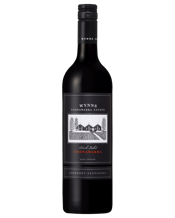
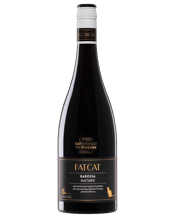
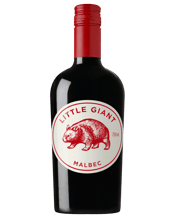
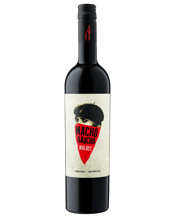
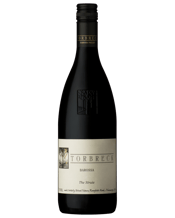
If you’re not into tannic wines, your ideal hunting ground will be lighter to medium-bodied reds, such as pinot noir or, for some different ideas, look to gamay, mencia and southern Italy’s nerello mascalese. But if you’re keen to see what tannins are all about, spend a little time with cabernet – Coonawarra and Margaret River are the variety’s benchmark regions here in Australia. Mourvèdre, AKA mataro, is another notoriously highly tannic variety, as are nebbiolo, malbec and shiraz, particularly bolder expressions from warmer regions in South Australia.
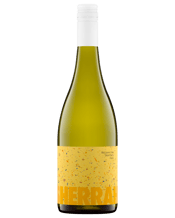
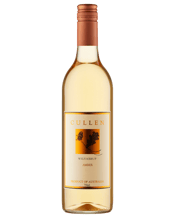
And if you’re curious to taste the textural effects – or phenolics – that extended grape contact can have on a white wine, there are plenty of great styles, with the Airlie Bank Gris on Skins, Sherrah Skin Party Fiano and Cullen Amber Semillon Sauvignon Blanc just three top examples.













%20(1)?$dans-daily-web-image$&hei=900)
?$dans-daily-web-image$&fmt=png-alpha&wid=800)