


All about the classic combinations, and how – and why – they come to be.
Monet’s Water Lilies, The Two Fridas by Frida Kahlo, Shakespeare’s The Taming of the Shrew (read: 10 Things I Hate About You), Charli XCX’s Brat record – these are what we’d describe as works of art. Also on our list are wine blends: a good GSM, an SSB (don’t worry, you’ll get it), a shiraz cabernet, shiraz viognier, and perhaps a Rhône white.
Now, if you’re wondering what the heck a blended wine is, well, it’s exactly what it sounds like – but it’s not as simple as chucking a couple of wines together, stirring it and calling it a day. Let us explain.
Before blending a wine, the winemaker (AKA the artist) needs to have a clear understanding of the characteristics of each grape. How does it taste? How does it age? How do they interact when mixed together?
So, why do winemakers blend wines? There are a few reasons – starting with adding layers of complexity, which can impact the aroma, flavour and texture of a wine. Blending can also bring balance to a wine – components like acidity or tannins can be tweaked to measure. Take a blend of sauvignon blanc and semillon – savvy b is bright and high in acidity, whereas semillon is lower in acidity with a richer, fuller body. The semillon softens the sharpness that comes from the sauv blanc; the sauvignon blanc is the acidic lift, while semillon brings texture.
Consistency and quality control are also factors. While we can’t predict the climate conditions, blending can help mitigate inconsistencies between growing seasons. Commonly, winemakers blend different grape varieties, but they can also blend cross-regions and vintages. It’s not uncommon for the same variety (i.e. pinot noir) from different vineyards or regions to be blended. Winemakers will sometimes even create multi-vintage blends, which is a wine made from grapes harvested across multiple years.

Click image to shop
Five classic wine blends to try
1. GSM
A GSM is a blend of grenache, syrah and mourvèdre (commonly also called mataro for us Aussies). The trio originated in the Rhône Valley in France. GSM is the hallmark blend of Châteauneuf-du-Pape AOC wines, but it has become a South Australian staple – thriving in regions like McLaren Vale and the Barossa Valley.
Grenache is the dominant grape in the group (think of it as your type-A friend who books the restaurant and is always 10 minutes early). Grenache brings red fruit flavours like strawberry, raspberry and cherry, with balanced tannins and medium acid. Syrah – you may also know it as shiraz – then comes in with its notes of black fruits and pepper, while mourvèdre is the quiet achiever. Ranging from anywhere from five to 30% of the blend, mourvèdre brings the GSM together with its signature earthy and meaty notes.
Okay, now for the fun part. The food. GSM has a big personality, so it needs something to match its freak. Feasting? Brisket. Need to get your veggies in? Roast ‘em. Turning up the heat? Say yes to a spicy curry.
GSM to try: Teusner Avatar Grenache Mataro Shiraz
2. Sauvignon blanc and semillon (SBS or SSB)
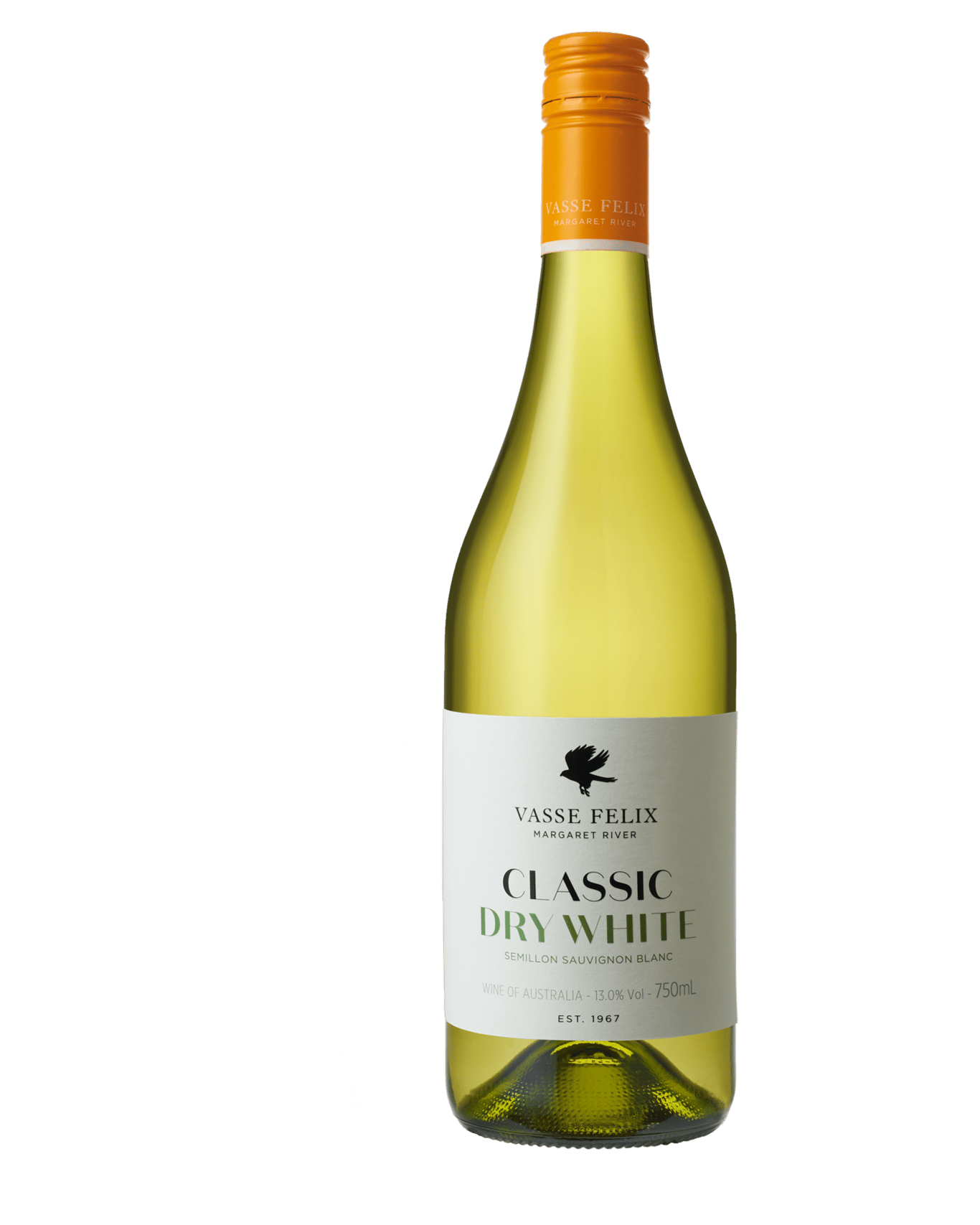
Semillon sauvignon blanc (SSB) or sauvignon blanc semillon (SBS) were first blended in France’s Bordeaux, but, here on home soil, Western Australia’s Margaret River has made this blend its own. Whether it’s an SSB or SBS will depend on the dominant grape, and this ratio can come down to regional preference. As mentioned earlier, sauvignon blanc brings the acidity, along with notes of grapefruit, passionfruit, melon, bell pepper and cut grass. Semillon then comes through with its lemon balm, beeswax, toast and peachy notes.
When pairing an SBS or an SSB with food, fresh is best. We’re talking seafood like oysters, sashimi, scallops, even a piece of grilled fish. If seafood isn’t your thing, try roast chicken paired with a salad that heroes goat’s cheese.
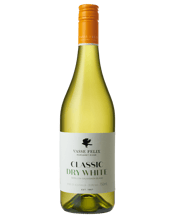
SSB to try: Vasse Felix Classic Dry White Semillon Sauvignon Blanc
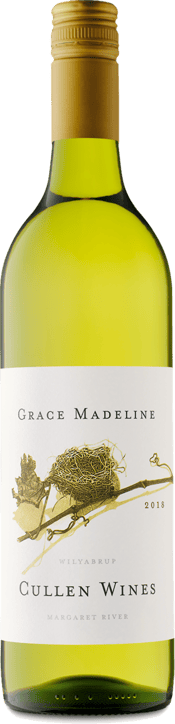
SBS to try: Cullen Grace Madeline Sauvignon Blanc Semillon
Click image to shop
Click image to shop
3. Rhône white blends
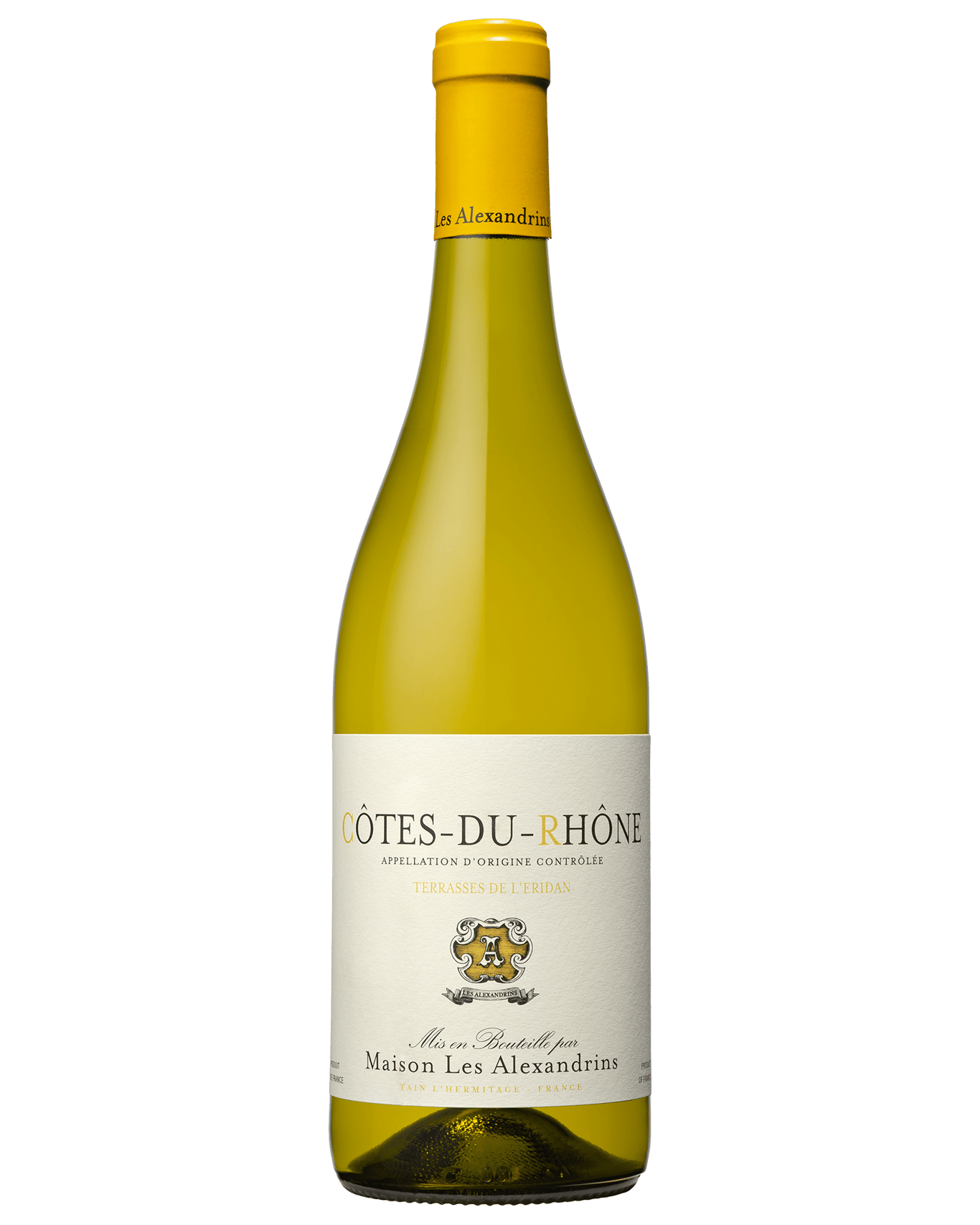
Alright, if you love chardonnay we’re pretty sure you’re going to be a Rhône white fan. A Rhône white is a blend of two or more traditional varieties native to France’s Rhône Valley. In Australia, they typically blend marsanne with roussanne, and a little bit of viognier. But it’s not uncommon for Rhônes to include grenache blanc.
You’ll likely taste lemon, apricot, orange zest, beeswax and maybe even pastry or brioche. A blend of marsanne, roussanne and viognier is a medium-bodied wine that has a lower acid structure (compared to, say, a sauvignon blanc), but with a medium-high alcohol level. Naturally, Rhône blends can be found in France – in both Northern and Southern Rhône – but they’ve also taken off in Australian regions like Barossa and McLaren Vale. When matching a Rhône white to food, lean on the wine’s richness. Try it with a classic like a chicken pot pie, or rich, oily fish is also a great match. If the budget allows, you could also do lobster. If you’re going all out on the cheese board, look for those with a creamy texture – goat’s cheese, triple cream brie, camembert and feta.
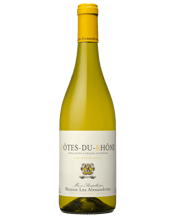
Rhône white to try: Maison Les Alexandrins Cotes du Rhone Blanc
4. Shiraz cabernet/cabernet shiraz
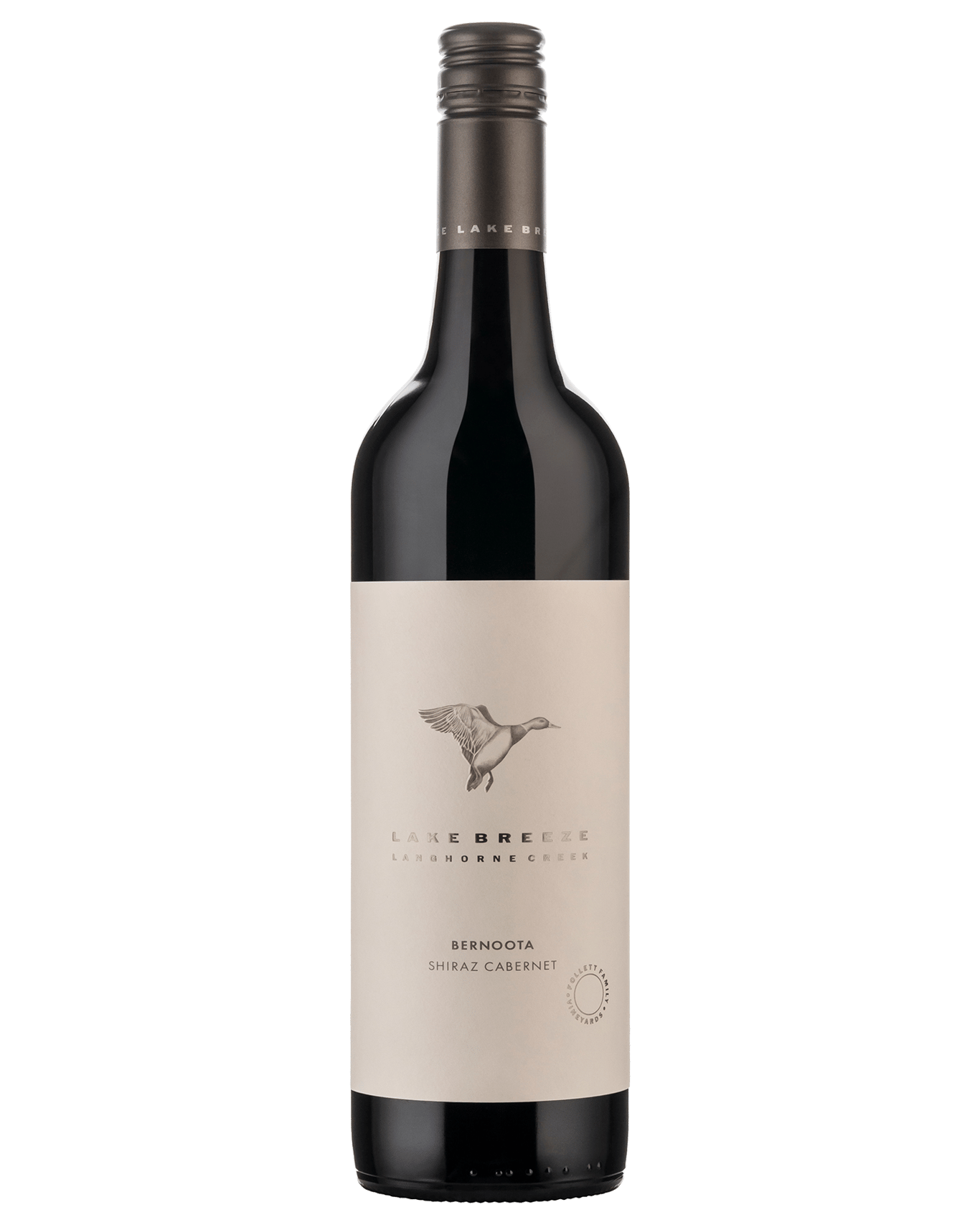
The shiraz cabernet is a great Aussie blend. You may have also heard it referred to as ‘claret’. Whether it’s a shiraz cab or a cab shiraz will depend on the leading variety. A classic combo in Australian winemaking, blends of shiraz and cabernet can be found in South Australia’s Coonawarra, Barossa Valley and McLaren Vale, as well as Margaret River. Some of Australia’s icon wines are a blend of shiraz and cabernet. Did you know that Penfolds Grange (which we know you’ve heard of) is a mostly shiraz-dominant wine, with a touch of cabernet sauvignon? Yalumba’s The Signature is about 53% cabernet and 47% shiraz (depending on the vintage). If your dad is a fan of Barossa reds, it’s likely you’ve heard of Pepperjack’s Shiraz Cabernet, and then Wolf Blass’ Black Label Cabernet Shiraz is almost as sacred as a meat pie. Shiraz brings black fruit flavours like blackberry, black cherry, blueberry and plum, hints of pepper and even notes of chocolate and tobacco. Alongside black fruits, cabernet also imparts herbs like mint, sage and eucalyptus, as well as licorice and even violets. Often oaked, shiraz cabernet blends are big and bold. They can take on steak, lamb and duck, but also match dark chocolate and hard cheeses.
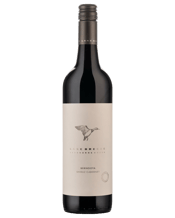
Shiraz cabernet/cabernet shiraz to try: Lake Breeze Bernoota Shiraz Cabernet
Click image to shop
Click image to shop
5. Shiraz viognier
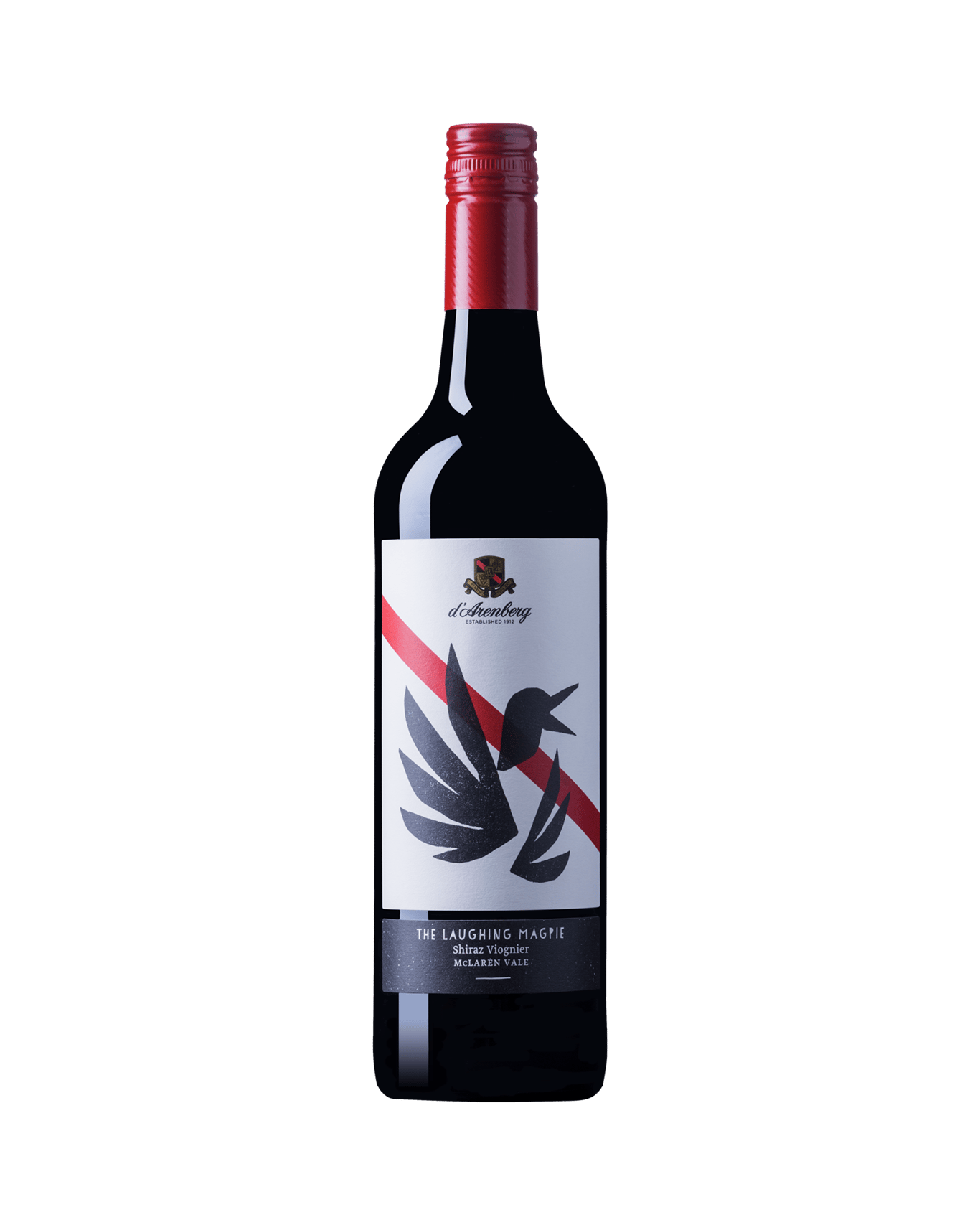
This blend is made using shiraz, being the ever-reliable red grape, and viognier, that textural, full-bodied white wine we mentioned above that hails from Northern Rhône. Shiraz brings its full-body style, popular black fruits and peppery notes, while viognier is known for its oily texture, notes of peach and apricots (sometimes tangerine and mango), and floral notes of violet, honeysuckle and rose. Viognier is made for food and matches almost anything (seriously). Together, shiraz viognier is almost as versatile – think barbecued meats, lamb souvas, pizza, hearty ragu, and spicy curries (especially those with eggplant).
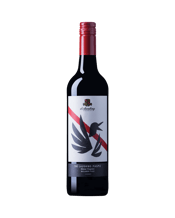
Shiraz viognier to try: d’Arenberg The Laughing Magpie Shiraz Viognier




%20(1)?$dans-daily-web-image$&hei=900)
?$dans-daily-web-image$&fmt=png-alpha&wid=800)