


If you’ve ever wondered how grapes become wine, or how they make red vs rosé, read on.
So we all know what ‘winemaking’ is – the process of fermenting grape juice into wine. But beyond that, it’s not all immediately obvious. There are a tonne of things that take place between growing the vines and a bottle landing in your wine rack, none of which involve magical wine goblins (as far as we know). While it differs between wine types and winemakers, there are six basic steps that are universally followed and we’re here to take you through ‘em.
To help you master the basics, we’re tackling each of the main players independently – including sparkling wine, white wine, and dessert wine. Today, however, it’s all about the reds and rosés.
Like all good wine tales, this one starts in the vineyard. Once ripened, grapes are harvested by hand or machine before being brought into the winery for processing.
Winemakers make a call on when harvest should begin, depending on the style of wine they’re making. The longer you leave grapes on the vine, the richer and sweeter they become. So if a producer is chasing greater acidity to create a fresher, crisper wine, they’ll opt for an earlier pick.


While these days mechanical crushers are often the norm, it may be more romantic to imagine some gorgeous French winemaker crushing their grapes by foot. This is still a thing, by the way, particularly in parts of Spain and Portugal. However it's done, the skins are broken and the juice is released.
You may be surprised to hear that red (well, technically black) grapes have clear juice, with red wines getting their colour, tannins and body from their skins and seeds. Basically, the longer the juice sits with this stuff, the richer the colour and more pronounced those tannins and flavours become.
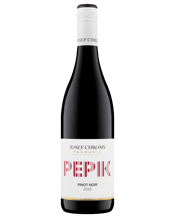
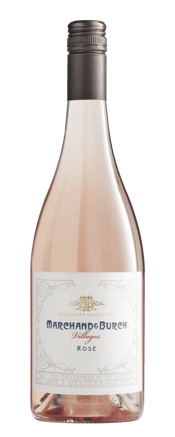
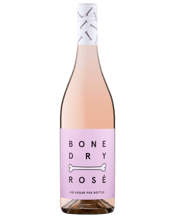
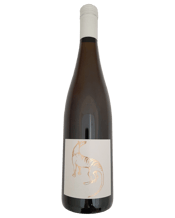
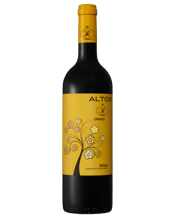
Now, this is where rosé and red wines differ. Rosés are drained off their skins after a short period (generally a few hours) giving them more of a blush hue, whereas red wines are kept on their skins a lot longer (generally until alcoholic fermentation has wrapped). Of course, it all depends on what the winemaker is going for and there’s a lot of room for experimentation at this stage. If you’re keen to better understand the impact skin contact has on wine, snap up something like this handy little twin pack and try a side-by-side tasting at home. As we always say, the best way to learn is to taste!


Fermentation is what whips grape juice into delicious wine. The process is all natural and kick-started by yeast that is either cultivated or wild and naturally present in the air, on the vines, or in the winery. Basically, the yeast feeds off the sugar in the grapes, producing alcohol.
A winemaker can determine how sweet or dry their wine is by how long they let the fermentation go on. For a dry red, fermentation doesn’t stop until the yeast has eaten up all the sugar. Whereas for a sweeter wine fermentation is halted early, leaving some of that residual sugar behind. You can halt fermentation a few different ways, generally by adding sulfites, chilling and racking the wine, or by adding more alcohol (basically fortifying it).
Once alcoholic fermentation has wrapped, the wine will either be stored and bottled, or aged to build flavour and texture. Ageing can take place in anything from oak barrels and ceramic eggs, to terracotta amphorae, stainless steel tanks and even concrete. It all comes down to the style and variety of wine being made, which also determines how long a wine will spend maturing (another fancy word for ageing).
When it comes to ageing red wines, however, oak barrels work a treat. Wood is porous, so it allows small amounts of oxygen to come in contact with the wine, which helps to smooth out those harsh tannins and acids. The barrel will also impart a little of its qualities on the wine, so the choice of oak is critical here.
While we’re on that, it’s probably a good time to mention the difference between new and old oak, as they’re the most commonly used when ageing wine. Put simply, new oak imparts flavours such as vanilla, coconut, spice and wood, while old oak tends to pass on little to no flavour for a more subtle result.


Once the winemaker has repeatedly tried and tested their wine (what a terrible job, huh?) and is happy with what they’ve crafted, it’s ready for bottling. Glass bottles are standard, but there’s been a real rise in the use of cans, cartons and all sorts of innovative packaging.
Once bottled, they’re slapped with a sexy label or two, packaged up and shot off around the world for gorgeous people like yourself to enjoy.








%20(1)?$dans-daily-web-image$&hei=900)
?$dans-daily-web-image$&fmt=png-alpha&wid=800)