


Get to know your way around France and its exceptional wines with this cheat sheet on the country’s most celebrated regions.
When it comes to wine, the French know a thing or two. This nation has been growing and making it for centuries – way back to the Roman times, in fact – and they’ve been perfecting it across their 17 wine regions ever since. As one of the biggest and best-known wine-producing countries in the world, France is home to some of the most prestigious regions in existence – Champagne! Burgundy! Bordeaux! – but there’s so much more to the French wine landscape than the big names.
From the Jura region and its revered sherry-like white wines to the diversity of grapes found on the island of Corsica, France is full of vinous surprises. And while its complex set of appellations, classifications and regulations may seem overwhelming at first, consider this your cheat’s guide to nine of the country’s top regions and their stellar wines.

Alsace is synonymous with aromatic white wines. While you can find great pinot noir here, this cool-climate region is all about the whites. Sitting next to Germany and Switzerland in the east of France, Alsace produces some of the world’s finest riesling, gewürztraminer, pinot gris and dessert wines. The scenery here is also just as lovely as its wines. Dotted with medieval architecture, winding canals, scenic mountain peaks and gorgeous villages, this is road-tripping heaven. There’s even an official Alsace Wine Route for doing just that, spanning 170km across this breathtaking region.
Key subregions: Haut-Rhin, Bas-Rhin
Top red grape: Pinot noir
Top white grapes: Riesling, gewurztraminer, pinot gris, muscat, sylvaner
Must-visit wineries: Dopff and Kilpfel
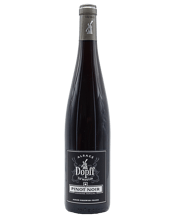
Wines to try: Domaine Andre Lorentz Alsace Riesling and Dopff Au Moulin Alsace Pinot Noir
If you’re into light, fresh and fruit-driven red wines, it’s time to delve into one of France’s often-overlooked regions, Beaujolais. More recently, though, Beaujolais wine region has been embraced by the cool kids, and it’s easy to see why it’s on almost every great wine list – these are brilliant wines that offer serious bang for buck. The gamay grape thrives here, beloved for its bright red-fruit flavours, lighter body and how delicious it tastes when chilled, although the region does produce heavier, more serious examples of this variety, too. One way to navigate the region is to look for its three key classifications on labels – the entry-level Beaujolais, Beaujolais-Village, which is a step up, and Cru Beaujolais, deemed the best quality. There are several other white and red wines made here, but it’s the gamays you’ll want to get to know first.
Key appellations: Beaujolais, Beaujolais Villages, Brouilly, Chénas, Chiroubles, Côte de Brouilly, Fleurie, Juliénas, Morgon, Moulin-à-Vent, Régnié, Saint-Amour
Top red grapes: Gamay
Top white grapes: Chardonnay, aligoté
Must-visit wineries: Château du Moulin-à-Vent and Les Vin Georges Dubœuf
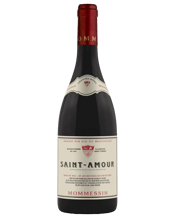
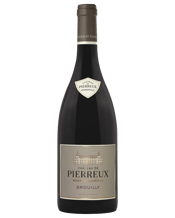
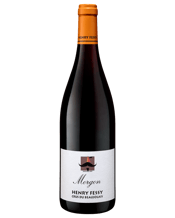
Wines to try: Mommessin Grandes Mises Saint Amour Beaujolais, Château de Pierreaux Brouilly, and Henry Fessy Morgon Beaujolais


One of the world’s best-known wine regions, Bordeaux is also one of the most complex to understand. There’s a lot to learn here, between its specific areas, 60 appellations and quality hierarchies, including the all-important 1855 Classification that sets out the classes, from First Growth to Fifth Growth, and the producers that fall into each one. Fortunately, you don’t need to understand everything to enjoy these famous Bordeaux wines. The region’s Left Bank is where you’ll find coveted cabernet sauvignon-dominant blends (and the premium appellations of Saint Julien and Pauillac), while the Right Bank puts the spotlight on merlot (Saint Emilion and Pomerol are just two top areas). Bordeaux also makes some celebrated whites, particularly its Sauternes dessert wines. This region may be associated with big-ticket wines, but there’s also plenty of value to be found – start with the Medoc and Haut Medoc appellations.
Key subregions: Left Bank, Right Bank, Entre-Deux-Mers
Top red grapes: Cabernet sauvignon, merlot, cabernet franc, malbec, carmenere, petit verdot
Top white grapes: Semillon, sauvignon blanc, muscadelle
Must-visit wineries: Haut-Bailly, Chateau Guiraud and Chateau Smith Haut Lafitte
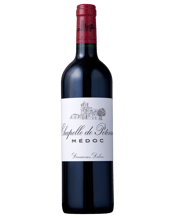
Wines to try: Chateau Haut-Bailly II and Chapelle de Potensac Medoc
For many, Burgundy is the holy grail of wine. As the birthplace of both pinot noir and chardonnay, this wine region in the east of France has become one of the most celebrated on the planet – with some of the most expensive wines, too. Domaine de la Romanée-Conti, or DRC, is just one local producer on so many wine-lovers' bucket-lists. But in addition to Burgundy’s top-tier wines made in its Grand Cru and Premier Cru appellations, there are many more accessible wines that offer brilliant introductions to these classics (look for Village and Bourgogne on labels). With winemaking dating back to the 4th century, this region’s makers truly understand their sites, soils and climate, and how to get the best out of their vines.
Key subregions: Chablis, Côte d’Or (comprising Côte des Nuits and Côte de Beaune), Côte Chalonnaise, Mâconnais
Top red grapes: Pinot noir, gamay
Top white grapes: Chardonnay, aligoté
Must-visit wineries: Louis Latour and Jean-Marc Brocard
Wines to try: Louis Latour Saint Veran and Jean Marc Brocard Chablis

Few regions and their wines evoke such emotive responses as Champagne. Its sparkling wines are a global go-to for celebrations as well as commiserations, and when you also just want to feel a bit fancy. No other wine region can label their sparkling wines Champagne, and its producers have rightfully retained their prestige standing. While some of its major producers are household names – think Moët & Chandon, Veuve Clicquot and Mumm – there are many incredible smaller grower-producers to explore. This is also a region that does wine tourism extremely well, with cellar tours, tastings and must-try restaurants all just a 45-minute train ride from Paris.
Key subregions: The Aube, Montagne de Reims, Côte des Blancs, Côte de Sézanne, Vallée de la Marne
Top red grapes: Pinot noir, pinot meunier
Top white grapes: Chardonnay
Must-visit wineries: Lanson and Joseph Perrier
Wines to try: Lanson Le Black Label Champagne Brut and Joseph Perrier Cuvée Royale Champagne Brut

If you don’t know much about the Languedoc-Roussillon wine region, you’re in for a treat, especially if you like value for money. This is France’s largest wine region, so many different grape varieties grow here, resulting in a swag of innovative, diverse wines. Once better known for its bulk, cheap wines, the Languedoc’s producers have since overhauled the quality across the board, but, in great news for us, prices haven’t yet risen to match. Expect everything from shiraz, grenache and rosé to sparkling (labelled here as Cremant de Limoux), picpoul and grenache blanc. In the south of France, gorges, mountains, beaches and medieval towns can also be found across this region.
Key subregions: St Chinian, Faugères, Picpoul de Pinet, Corbières, Limoux and Blanquette de Limoux
Top red grapes: Shiraz, grenache, mourvèdre, carignan
Top white grapes: Picpoul, grenache blanc
Must-visit wineries: Moulin de Gassac and Gerard Bertrand
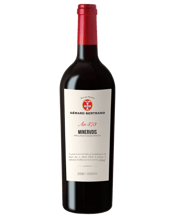
Wines to try: Moulin de Gassac Picpoul De Pinet and Gerard Bertrand Heritage Minervois
France is spoilt for stunning places that make great wine, but the Loire Valley ticks all the boxes in its own special way. For starters, this vast central region has about 100 castles – they’re open to visitors, too – with some dating back to the 1300s. Add to this picture striking natural beauty and vineyards, plus a rich history and culture, and the Loire is a must-visit before you even get to the wine. Sauvignon blanc, chenin blanc and cabernet franc are three of its biggest stars (think Sancerre for sav, Vouvray for chenin and Chinon for cab franc), but with more than 20 grapes that also shine, this region’s diversity is a huge part of its appeal.
Key subregions: Pays Nantais, Anjou, Touraine, Centre
Top red grapes: Cabernet franc, cabernet sauvignon, gamay, malbec
Top white grapes: Sauvignon blanc, chenin blanc, pinot blanc, pinot gris
Must-visit wineries: Domaine de Rocheville and Marc Brédif
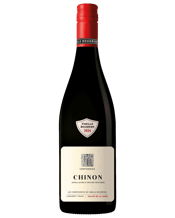
Wines to try: Patient Cottat Pouilly-Fumé ‘Anciennes Vignes’ and Famille Bougrier Confidences Chinon Cabernet Franc


It’s fitting that this incredibly pretty region in the south-east of France is responsible for some very pretty wines – namely, rosés. With its Insta-worthy lavender fields, dramatic clifftops, beautiful architecture and Mediterranean coastline, Provence is the stuff of French wanderlust dreams. Local producers have long championed the dry, pale, restrained rosé styles now so sought-after around the world, and with lots of sunshine, a moderate climate, and diverse soils and terrain, grapes flourish here. It’s worth noting that many varieties are planted across this large region, but it’s rosé that Provence hangs its hat on – examples from Bandol and Aix-en-Provence are among the benchmarks.
Key appellations: Côtes de Provence, Coteaux d’Aix-en-Provence, Coteaux Varois en Provence
Top red grapes: Shiraz, grenache, mourvèdre, cinsault, cabernet sauvignon
Top white grapes: Vermentino, clairette, marsanne, roussanne, ugni blanc
Must-visit wineries: Chateau La Coste and Miraval
Wines to try: Chateau La Coste Rosé d'une Nuit and Miraval Côtes de Provence Rosé
Step inside the Rhône, a region that’s been making wine for some 2000 years. It’s France’s second-largest wine-growing region, with historic villages, olive trees, lavender fields and the Rhône River completing the picture. This region is also responsible for some outstanding wines. The Northern Rhône is a shiraz-lover’s haven (it’s the only red grape allowed there), with coveted appellations that include Hermitage and Côte Rôtie. In the Southern Rhône, it’s all about grenache, which is commonly blended with shiraz, mourvèdre and more. Chateauneuf-du-Pape and Gigondas are among the lauded appellations of Southern Rhône, and much like their shiraz counterparts in the north, these versatile, plush wines are ideal additions to many different meals.
Key subregions: Northern Rhône, Southern Rhône
Top red grapes: Shiraz, grenache, mourvèdre
Top white grapes: Viognier, roussanne, marsanne
Must-visit wineries: Michel Chapoutier and Guigal
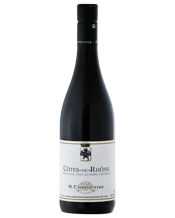
Wines to try: Cave de Tain Saint-Peray Marsanne Grand Classique and M. Chapoutier Côtes-du-Rhône Grenache Syrah








%20(1)?$dans-daily-web-image$&hei=900)
?$dans-daily-web-image$&fmt=png-alpha&wid=800)