NOW EXPERIENCING:Guide to Sicily: 5 reasons these wines should be your next pour
Learn|Vine Guide|Wine Regions|White Wine

Guide to Sicily: 5 reasons these wines should be your next pour


Read time 4 Mins

Posted 01 Feb 2024

By
Amelia Ball


The island of Sicily makes some of Italy’s most exciting wines. Here are five points that prove our case.

Never been to Sicily? Even if you weren’t glued to the second season of The White Lotus (really?) or haven’t seen The Godfather trilogy (shame on you), you’ll probably have a few ideas about this southern Italian island. You might think of it as a place of stunning natural beauty and ancient landscapes, or maybe you associate it more with the mafia. But what you really need to know about this ruggedly beautiful place is that it makes some of the best wines in all of Italy (in our humble opinion). If you’re into bright whites and elegant reds, you’ve come to the right place. Even more so if you like to do things a little differently, as Sicilian wines still fly a little under the radar.   

The largest island in the Mediterranean, Sicily is also the most populous in the region. It sits just off the ‘toe’ of Italy’s boot and is home to Mount Etna, Europe’s tallest active volcano. It’s one of 20 wine regions in Italy, and considering the recent developments and improvements made here, it’s one of its most enticing. For anyone who watched the drama unfold in The White Lotus over that peak summer setting, it might be hard to believe that parts of Sicily get heavy snowfall in winter. Generally, though, the island has a warm and dry climate, which, together with its rich, volcanic soils, creates the ideal grape-growing conditions for an incredible range of wine varieties and styles. 

If you’re after a snapshot of what Sicily does so well, we have a few pointers below. We also think there’s something for everyone when it comes to the wines of Sicily, so we offer some top examples to try, too.


1. Sicily and wine go way backSicily has a long and complex past – the island has been ruled by everyone from the Greeks and Moors to the French and Vikings. Through all these eras, wine has played a big role and it continues to do so across the island. Like a lot of Italy’s wine regions, it was the Greeks who brought viticulture to Sicily, and it’s believed the Sicilians have been making wine here since around 4000 BC. While Sicily was previously best-known as a bulk-wine producer, with a focus perhaps on quantity rather than quality, the Sicilian wine scene has rapidly evolved in recent times, with producers fine-tuning their techniques and styles. In turn, Sicily’s wines have been turning heads and finding their way onto top wine lists around the world. While some international grape varieties are allowed here – chardonnay, cabernet sauvignon and merlot included – it’s Sicily’s indigenous varieties that deservedly steal the show. 
2. Nero d’Avola is a big thingDespite nero d’Avola (nair-oh da-vo-la) being the most common red grape in Sicily, it’s still relatively unknown by the masses. And they’re missing out because this is one incredibly food-friendly, versatile wine. Expect dark fruit flavours and earthy, spiced notes, all wrapped up in a medium- to full-bodied wine. Good levels of acidity help to lift nero, and some styles are denser and more richly fruited, while others tend to be lighter and fresher in both flavour and body. The name translates to ‘the black grape of Avola’, with Avola being one of the Sicilian towns where it’s grown, and it loves the warm climate. If you’re into shiraz and feeling nero-curious, look for Principi di Butera. From Caltanissetta in the Riesi DOC, their Amira Nero d’Avola is a rich, full and smooth expression, with flavours of dark chocolate and ripe plums. Burgers and rich barbecued meats are right at home alongside it.    
3. Etna reds are pinot-esque If your taste in red wine lies at the pinot noir end of the scale, Sicily should be your happy place. The Sicilian variety nerello mascalese (nairello mah-scah-lay-zee) has been widely embraced in recent years for its pinot-like qualities, but that doesn’t tell the whole story. From Mount Etna, these wines can show a mineral-like, volcanic note (think graphite or gravel, but in a really good way), with red fruit flavours, spiced and floral notes, and fine, grainy tannins. From brooding and intense styles to much brighter expressions, there are excellent wines made solely from nerello mascalese (the Giodo Alberelli di Giodo Nerello Mascalese is a super-pure, minerally example). But this variety also gets blended with other local reds, including nerello capuccio and frappato, which can bring more florals and spice to the mix. If you see ‘Etna Rosso’ on a list or label, it means the wine has a minimum of 80% nerello mascalese in its blend with nerello capuccio. For a vibrant introduction to the style, seek out the Piano dei Daini Etna Rosso
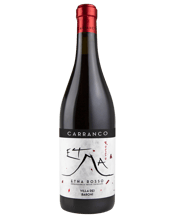
4. Sicily also makes crisp, bright whites If ‘crisp’ and ‘bright’ are the sorts of wine descriptors that make you prick up your ears, you’ll want to stay focused on the Mount Etna area. The white grape carricante is grown there, producing dry, fresh and racy wines. High acidity is key to these styles, which are often described as zippy and crunchy. Flavours of citrus, green apple and stone fruit combine beautifully with mineral notes and sometimes even a salty lick on the finish. If ever there was a wine for lunching in the sunshine – or for when you wish you were – this is it. It’s bang-on for spicy dishes, seafood, fried food and cheeses, and it also makes a delicious aperitif. Look for ‘Etna Bianco’ on the label – we’re loving Carranco’s Etna Bianco Villa dei Baroni Carricante as well as the Giodo Alberelli di Giodo Etna Bianco, which are both made from 100% carricante (and both delicious).  
5. You’ll also find other great whitesFor anyone into whites that aren’t quite so bracing, Sicily makes a range of other styles. Star native white varieties that also thrive on the island include cattaratto, grillo and inzolia. While these have long gone into Sicily’s fortified Marsala wines, they increasingly produce some more traditional whites. Cattaratto is the most widely planted variety across Sicily, and while it’s commonly blended with carricante in the Etna DOC, it can make richer straight-varietal wines that are known for their fuller, lemony flavours. Grillo, meanwhile, is finding its place as a light, dry wine packed with fresh fruit flavours, and the best examples prove just how well Italy does easy-drinking wines that don’t get in the way of food. To see what we mean, try the Colpasso Grillo Sicilia over your next meal, especially as this wine won’t break the bank.   
image credits: Jae Jun Kim