NOW EXPERIENCING:5 reasons why the Puglia wine region is not just a pretty face
Learn|Winery|Travel|Italian region

5 reasons why the Puglia wine region is not just a pretty face


Read time 4 Mins

Posted 30 Nov 2023

By
Amelia Ball


It’s ridiculously photogenic, but this coastal Italian region also makes some cracking wines. Here’s what you need to know.

If your social feeds have resembled a highlight reel of Italy in recent times, there’s a good chance you’re already familiar with Puglia (Pool-yah). With its jaw-dropping coastline, 1700s architecture, vineyards and olive groves, this idyllic south-eastern region seems to top everyone’s Euro hit list right now. And who can blame them? Given Puglia’s picture-perfect setting, we can even forgive our jetsetting mates for all their over-excited posts, too. Almost.

While Puglia’s stunning scenery deserves its place on the grid, there’s more to this region than its good looks. Long known as the bread-basket of Italy, Puglia is home to incredible baked goods, and it also produces more than 40% of the nation’s olive oil – and about 12% of the world’s total, too. But then there are its standout wines. This is mostly red-wine territory, but, perhaps more importantly, this is also a happy hunting ground for immense value.

As a lesser-known wine region, there’s so much to uncover in Puglia, even if you’re exploring it from over here on our shores. The clincher is that demand hasn’t yet pushed up its wine prices like so many other sought-after regions. However, with Puglia fast becoming one of Italy’s top destinations, we think it won’t be long before the cat’s out of the bag. So, to make sure you stay ahead of the curve, we break down a few things to know – and some wines to try – when it comes to Puglia.
1. Puglia looks just how you imagine, but everywhereIn the heart of the Mediterranean, Puglia lies in Italy’s southern peninsula and is surrounded by water on three sides. Puglia’s charming capital city Bari is less than a five-hour drive from Rome, while southernmost Lecce – the bit that makes up the ‘boot’ of Italy on the map – is a further 75-minute drive away. The crystal-clear waters of your holiday dreams can be found here, but hill towns and plains complete this picture, along with a dynamic agricultural scene; fruit and veggies thrive in this warm climate, as showcased in the region’s produce-driven cuisine. Even the wineries meet the visual brief, with Masseria Altemura just one example that’s housed in a 17th-century farmstead, while Tenute Giangirolamo’s vines and grand cellar door look like they’ve been lifted straight from a postcard. 
2. Puglia is Italy’s oldest/newest wine region It was the Greeks who colonised this part of Italy way back in the 8th century BC, and it’s believed they brought grapevines with them from across the Adriatic Sea. Puglia has since become the biggest producer of wine in Italy – more than Australia, in fact. But despite this ancient vine-growing and winemaking history, Puglian wine hasn’t reached the same lofty heights as Italy’s other top regions – yet. That’s all changing, though, with Puglia’s producers more recently shaking off their bulk-wine past to fine-tune their wines and punch up the quality across the board. Winemaking regulations are also evolving to tighten restrictions, which is further driving this boost. With this collective focus on crafting wines that express their special sites and this region, it’s an exciting time for Puglia – and for us wine lovers who can reap the rewards.
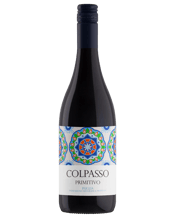
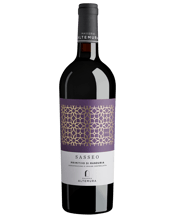
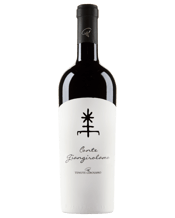
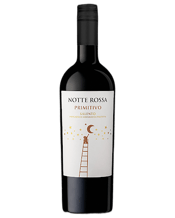
3. Red wines dominate across Puglia What Puglia lacks in household-name wines, it more than makes up for in delicious drops. Being so sunny and dry, with cooling sea breezes, this region’s grapes have no trouble ripening, which in turn creates super-approachable fruit-forward wines. Among Puglia’s most popular varieties are primitivo (AKA zinfandel) and negroamaro, which both produce food-friendly reds. Negroamaro tends to be all blue and red fruits, with a hint of spice, and its lack of tannins makes it a very adaptable dining companion. Primitivo, meanwhile, can be fuller, more savoury and darker-fruited than negroamaro, creating an excellent match-up for weightier dishes (we love the Masseria Altemura Sasseo Primitivo with roast lamb). Puglian producers are also known to blend these varieties (among others) to create beautifully structured styles, with the Conte Giangirolamo Rosso a great example.
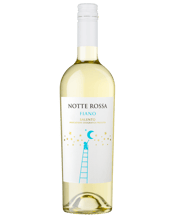
4. Puglia makes tasty whites, tooIt’s true that reds make up the majority of wines in Puglia, but there are many worthy whites that also roll out of this region. Grown almost exclusively in Puglia, verdeca is a variety that used to go into a lot of vermouth production around Europe, but, these days, when treated right, it makes a lovely refreshing, dry white wine – it’s known for its tropical notes and citrus flavours. Fiano is another versatile white that’s right at home in Puglia as this grape especially loves a warmer climate. For a typically textural and bright regional style, seek out the Notte Rossa Salento Fiano. Trebbiano is also planted widely across Puglia, while other lesser-known white varieties include bombino bianco and greco bianco. 
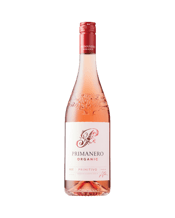
5. Rosés are Puglia’s unsung heroesWith rosé season upon us, it’s always good to try styles that go beyond the usual go-to picks. While Puglia’s wines have long gone under the radar, this region makes a lot of underrated rosé (or rosato) – more than 20 varieties are grown especially for its production, so Puglia does pink wine very well. Considering the region’s unique mix of native varieties, these rosés offer a delicious detour, and many are reasonably priced, too. If you’re keen to try primitivo in a different style to its traditional red expressions, the Primanero Primitivo Organic Rosé is an excellent option. Medium-bodied with bright berry flavours, it’s ideal for sunny afternoons with friends – you can even pretend you’re clinking glasses by the water in Puglia.
Want to know more about Italy and its other great wine regions? We can help – check out our guide to this wine paradise.