NOW EXPERIENCING:Your 101 guide to vermouth
Learn|Wine 101|Wine|Vermouth

Your 101 guide to vermouth


Read time 3 Mins

Posted 20 Jul 2023

By
Moira Tirtha


Here’s everything you need to know about vermouth (so you can become as obsessed as we are).

If you’re partial to a Negroni (with or without prosecco in it), you’re already one-third of the way to being convinced to go down the vermouth rabbit hole. Vermouth is the sweetness in your Negroni, the ‘wet’ in your Martini, the aperitif that opens your appetite before a meal. With a wide range of flavours, colours, and sweetness levels to choose from, exploring the world of vermouth is an exciting journey that can take you from ancient recipes to ones with a modern twist. But be warned: once you’re travelling down the vermouth rabbit hole, you might never want to crawl out.
What is vermouth? Vermouth is a fortified wine that has been aromatised with botanicals. In other words, a spirit is added to wine, which is then flavoured with plants – anything from fruits and flowers to herbs and spices. The one non-negotiable with vermouth is the addition of wormwood. This bitter and aromatic herb is what gives vermouth its distinctive flavour, and it’s also the source of the drink’s name, derived from the Germanic word for wormwood, "wermut".
Vermouth on ice with orange zest
How is vermouth made? Vermouth starts with a base wine, which can be red, white, rosé, or even orange. A neutral spirit, whether grape or grain, is added to the base wine before it’s finished fermenting – this is what’s known as ‘fortification’. What’s important to know is that fermentation is the process of yeast converting sugars into alcohol. Adding a spirit stops the fermentation in its tracks, therefore the final sweetness of a vermouth depends on when fortification takes place. The earlier the spirit is added, the more sugar remains in the mix, and the sweeter the final vermouth will be. Vermouth is aromatised through maceration, which is essentially steeping those carefully selected botanicals into the fortified base wine like you would a tea bag, or through distillation. Vermouths are categorised by the colour of their base wine, and where they sit on the spectrum of sweet to dry (dry meaning ‘not sweet’).  
Making vermouth is a game of creativity and balance. The flavours that come from the base wine are driven by the grape varieties and winemaking process, and these can be matched up with complementary botanicals. There aren’t any rules here, though makers typically add what’s grown locally – as the saying goes, ‘If it grows together, it goes together’. With colours and flavours across the whole board of possibilities, choosing a style of vermouth to drink asks the same question as whether you’re feeling more like a red or white wine.

What kind of vermouths are there?

Vermouth comes in a lot of shapes and sizes, but when you whittle it down there’s three key styles of vermouth to know. 

Sweet (AKA red or rosso) vermouth is the most common – you’ll find it in cocktail recipes like the Manhattan and Negroni. It’s richer and sweeter than other styles, and gets its colour from caramelised sugar. Dry vermouth, on the other hand, looks clear in the bottle and is most commonly used in Martinis. Again, the term ‘dry’ means lacking in sweetness, and these types of vermouth usually are bone dry. They tend to be more savoury and herbal in flavour.

Lastly, don’t confuse dry vermouth with bianco (or blanc) vermouth, which is also clear (or sometimes gently golden), but tastes sweeter. These lie somewhere in between the other two styles, and can range in sweetness from one brand to another. Depending on the bottle, you’ll find notes spanning floral, herbal flavours through to richer notes of baking spices and vanilla.

A bottle of Ambrosia Vermouth on a pool table

Click image to shop

Vermouths to try, and how to drink them

Sitting somewhere between a wine and a spirit in terms of flavour, structure and alcohol content, vermouth makes for some of the most versatile yet complex drinks in the beverage world. 

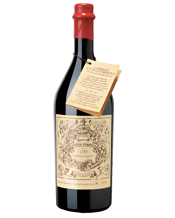
A great starting spot for figuring out what vermouth is all about is a healthy glug of Carpano Antica Formula served over ice with a slice of orange. Preferably with some salty snacks like Sicilian olives and anchovies, sunshine, and good company. The flavours will make you feel like you’re on a sun-soaked European holiday. Perfectly rich and bittersweet, and dating back to 1786, Carpano Antica Formula remains one of the oldest and most revered vermouths, still crafted with the same time-honoured recipe. And if you find the flavours too intense, a splash of soda is all it takes to bring balance and harmony to your glass.

Click image to shop

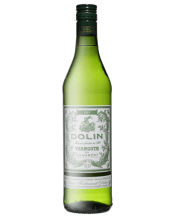
Dolin Dry Vermouth is the staple vermouth. Light, fresh, and citrusy, it’s a vermouth that shows a good bit of restraint and subtlety. Delicious in a Martini, but also delightful as an aperitif over ice before dinner. In fact, when you’re hosting your next dinner party, offering your guests a little Dolin on ice will up your hosting game by a mile. A pro tip: this vermouth will be your new best friend when making a jus for a roast chook. Trust me. 

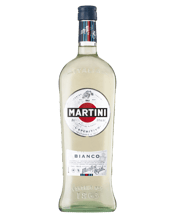
Alternatively, try something like the Martini Bianco Vermouth – a drop that’s been around since 1910. It’s flavoured with natural herbs and vegetables grown in the Alps, before being sweetened with beet sugar. The result is a lighter style of vermouth that has just a little honeyed sweetness to balance out the bitterness from the herbs. 
Vermouth is a secret weapon to keep in the back of the fridge. It’s relatively stable after opening, staying good to drink for weeks, even months, if stored in the fridge. At the end of the day, though, vermouth is still a wine, so after it’s been opened and exposed to a bit of oxygen, it’s going to start losing its edge. You’ll lose the fruit, its complexity and a lot of what makes it yum. There’s a vermouth for every occasion, and finding out what you like is what makes this drink fun. So, what are you waiting for? 
Did you know you can make your own vermouth at home? We share how to do it in this step-by-step guide. And if you want some ideas on how to use vermouth in cocktails, check out our collection of related recipes.  
image credits: Charlie Hawks (photography), Bridget Wald (styling).