


Don’t listen to the naysayers, some conventions are worth challenging.
Like most things in life, there are some rules around drinking tastefully. Some of them are set in stone and cannot (and should never!) be broken – especially those of a legal nature. But some rules, again like most things in life, are worth bending at the very least. We’re talking more about rules of etiquette here: your run-of-the-mill faux pas and peccadillos. The sorts of party offences that might land you a side-eye from the sommelier or the ire of your mate who’s just returned from a weekend in the Hunter Valley and reckons they’re the repository of all wine and drink wisdom.
Rules like these are ‘of thumb’. Sure, they’re a good insurance policy against your more ghastly dinner party infractions (shiraz with sashimi springs to mind), but they aren’t without exception. So, if you’ve been avoiding social events for fear of foodie faux pas, read on to discover the drinks rules you really ought to break.
There’s some sound thinking behind the commandment to never pair red wine with fish, but that same thinking also yields exceptions. Red wines match well with rich, meaty flavours and have the potential to overpower a delicate bit of fish. But select the right red for the right fish, and you’ll find plenty of flex to this rule.
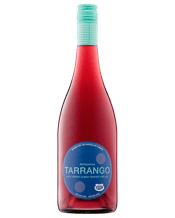
Oily, meaty fish like tuna, trout or salmon have plenty of the same characteristics as more orthodox red pairings. Cooked over high heat for maximum caramelisation (AKA Maillard reaction), they’re more than worthy of standing up to red wine. But avoid big Aussie shiraz or bold Bordeaux blends – try lighter-tannin varieties like pinot noir, gamay or Italian barbera instead. As for white fish, allow yourself to go dark on the rosé, especially the crispy fish-and-chips kind.

If you find Champagne flutes as irritating to clean as we do, you’ll be glad to know that Champagne – or any sparkling wine, for that matter – doesn’t necessarily have to be served in one. Yes, they’re beautiful-looking things, and their long, tubular shape works wonders when it comes to keeping your fizz fizzy, but a regular old wine glass isn’t the faux pas you might think.
Wine is more than taste. Aroma and texture are equally as important. Where the flute’s narrow shape is preferred for maximum bubble retention, its equally thin rim makes it nearly impossible to get your nose close enough to appreciate a wine’s aromatic qualities. A slightly narrow tulip-shaped glass (similar to the ones most of us have in the cupboard already) offers the best of both worlds – and in fact, is preferred by many a wine aficionado. But be wary not to go too wide lest your bubbles burst before their time.
Convention dictates that red wine should be served at room temperature (between 12ºC and 18ºC) and white wine between 4ºC and 10ºC. The lighter the wine, the cooler the temp, and vice versa. An easy way to achieve these temps is with the ‘30-minute’ rule. Pop your reds in the fridge half an hour before serving; take your whites out 30 minutes before (or use our trick to chill a bottle of wine super fast). And though that’s a pretty good yardstick, there are some worthy outliers to consider, too.
Lighter, juicier reds can be incredible with a slight chill on them. Varieties like gamay, grenache and even pinot noir can spring to life once chilled, showing off their fresh, fruit-driven flavours and vibrant body. Treat these like a medium-bodied white in the summer. And, of course, how could we forget the Aussie Christmas staple – sparkling shiraz. Serve this one ice-cold!
Similarly, pushing richer-style white wines closer towards an optimal red wine temperature pays dividends. Bold, oaked chardonnays and varietals like roussanne, marsanne and even some pinot grigios are at their ultra-aromatic and flavoursome best when served at around 12ºC.
Most purists will tell you that dropping a few ice cubes into your wine is a big no-no. Ice makes warm things cold (helpful) but also dilutes them (not so good, according to the naysayers). Although watered-down wine doesn’t sound that appetising, there are a few good reasons to consider busting out the ice tray and not just because you forgot to chuck that bottle in the fridge.
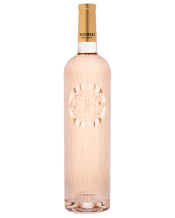
Take ‘piscine’, a standard menu item in Provence on France’s Côte d’Azur but also served under different monikers across the Mediterranean. Quite simply, it’s just a glass of locally made rosé served over a hunking scoop of ice. Further north, Champagne houses like Moët & Chandon, Pommery and Veuve Clicquot are beginning to produce wines specifically designed to be served on ice. Slightly richer and sweeter than their mainstream counterparts, these wines are best when diluted with a few cubes.

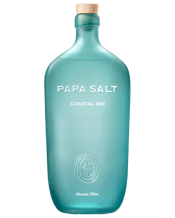
If, like James Bond, you take your Martini shaken and not stirred, chances are you’ve heard this one before. According to some, shaking gin can ‘bruise’ the spirit. But what does that even mean? The term describes the flattening of gin’s more delicate notes when shaken, leading to a bland or watery cocktail. Now, this could legitimately occur through over-dilution and aeration, but that certainly isn’t unique to gin, and “bruising” isn’t a precisely accurate way to describe what’s happening.
Take the Gimlet, for example, as a delicious bit of myth-busting and a clue for how and when to shake your gin. Where a cocktail calls for more subtle or nuanced elements (the splash of dry vermouth in a dry Martini fits the bill here – sorry, Bond), stirring might be preferred. For cocktails with more robust ingredients like the ones found in a Gimlet, a good shake can enhance the drink’s flavour and texture.

There’s no denying sake’s meteoric rise outside of Japan in recent years. But with such swift proliferation comes some, let’s say, less than thorough advice. One such example is the common misconception that only cheap sake should be served hot. While there are some guidelines around which sakes should be served hot or not, price is not always one of them.
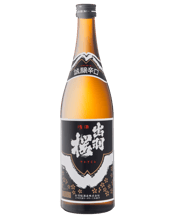
Just like wine, finding the right temperature for your sake should be a matter of taste, not money. Let your sake’s flavour profile guide you. Sakes of an earthier, umami-driven character (try this one) will grow in taste and aroma when served hot. Drier, fruity types – like Kizakura Konteki Junmai Daiginjo – are best served chilled to lock in those crisp, fresh flavours. Go forth armed with this knowledge, trust your palate, and break this rule like a sake pro.
When it comes to top-shelf spirits, there is a valid argument to be made against using them in mixed drinks or cocktails. If the taste truly reflects the hefty price tag, then surely diluting premium spirits with sugar syrup, liqueur, fruit juice and the like is a wasteful economics lesson in diminishing returns?
Yes and no. It’s all about picking your moment. A good rule of thumb is to keep your fancy bottles away from recipes that feature long ingredient lists or flavours that could overpower your spirit. Drinks like Long Island Iced Teas, Bloody Marys or Whiskey Sours are great examples of cocktails where the cheap stuff provides the most value.
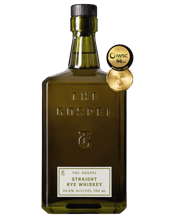
But for cocktails with fewer ingredients, where your hero spirit gets to shine, reaching for that top shelf can really add value. For a next-level Old Fashioned, consider using a beautifully aged rye whiskey. Dry Martini? Try an ultra-aromatic, herbaceous gin to give it an added layer of complexity. Don’t be shy, but don’t take the mickey, either.
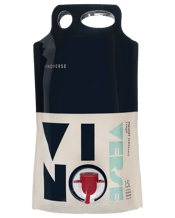
Dunking on cask wine is officially passé. Gone are the days when one could openly rag on one of Australia’s most extraordinary contributions to the world of wine with wanton abandon. Bagged wine is back on the menu and better than ever. Forget your mum’s super-sweet fruity whites (unless that’s your thing); more and more top producers are turning to the wine bag as an environmentally friendly, economical, higher-quality alternative to glass bottles. Wild, right?
It makes sense. Unless you’re committed to the romance of popping a cork, pouring from the punt and all the pomp that comes with glass, the cask presents itself as a much smarter option. And because it seals in the flavour for way longer than glass can, it’s also given rise to the “bagnum”, which is exactly what you think it is: a magnum in a bag. Eco-friendly, better wine, cool name… long live cask wine!







%20(1)?$dans-daily-web-image$&hei=900)
?$dans-daily-web-image$&fmt=png-alpha&wid=800)