


How France's favourite pink drink took over the world.
Rosé from Provence is known for being elegant, fruity and really dry – as in, the opposite of sweet. It's generally made by blending grenache, cinsault, syrah and mourvedre, with each grape bringing its own distinct characteristics to the glass. More grenache means juicier, fruitier wines, while mourvedre tends to bring a spicier element. It's not just blends that can affect how a Provençal rosé tastes either, with styles of wine differing between subregions. Within Provence, there are nine designated areas producing rosé, but the main one is Côtes de Provence.
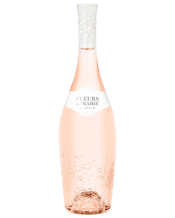
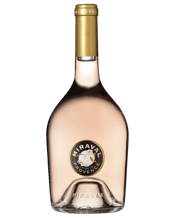
Thanks to St Tropez's glamorous beaches, the Côtes de Provence has also become super popular as a tourist destination and celebrity haunt, with no wine epitomising this better than the Miraval Côtes de Provence Rosé. It's a collaboration between the Jolie-Pitts (AKA Brangelina) and la famille Perrin, and considered one of the best examples of rosé in the world thanks to bursts of raspberry and wild strawberries.The Whispering Angel Côtes de Provence Rosé is a similarly world-class wine, with signature notes of strawberries and cream, while Fleurs de Prairie makes an excellent pink wine with flavours of blackcurrants and lemons.
Like baguettes, berets and striped shirts before it, rosé has become a French icon around the world, but why? Well, it's a super versatile wine, for starters, and can be paired with most foods. It's also approachable, affordable and, perhaps most importantly, aesthetically pleasing – a good-looking wine for good-looking times, featuring long lunches and carefree summer days. No wine has benefited more from social media than rosé, and the glitz, glamour and beauty of Provence, not to mention its palatable dry style of wine, is an unbeatable combination.
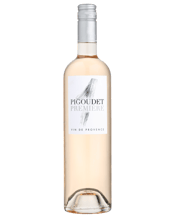
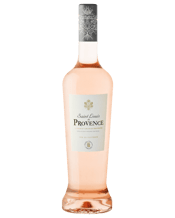
If you're keen to join the party and find a rosé that tastes as good as it looks, go no further than Pigoudet Premiere Vin de Provence Rosé, which is delicate, crisp and balanced with flavours of red-berry fruits, or Saint Louis de Provence, whose rosé is rich, brilliantly pale and makes for refreshing summer drinking.



%20(1)?$dans-daily-web-image$&hei=900)
?$dans-daily-web-image$&fmt=png-alpha&wid=800)