


From fruit-forward reds to lip-tingling whites, the Languedoc has you covered for value and variety.
And size really does matter. It doesn’t necessarily mean the wine is any better than the stuff coming out of smaller regions, but it does make for a lot of variety in styles of wine. There's no doubt that Languedoc-Roussillon is a red region, but the dominant varietal will differ depending on where you are in the Languedoc.
Grenache rules the east, influenced by the neighbouring Southern Rhône and its famous grenache-dominant blends, while syrah is the most important grape out west. The south, which can be classified as Roussillon, has predominantly grenache plantings as well as syrah and carignan, and is known as a leader in organic and biodynamic winemaking.
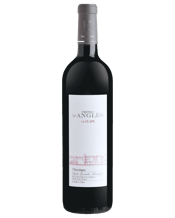
All you really need to know is there’s going to be a wine for everyone in Languedoc-Roussillon. And if you're partial to an easy-drinking red, it may well be something like the Château d'Anglès La Clape Classique Rouge, a GSM blend that's defined by red and black fruits.
Evidence of winemaking here dates back to the 5th century BC, making Languedoc-Roussillon's vineyards some of the oldest in France, along with parts of Provence. You’d be forgiven for thinking that all those years of winemaking gave the locals a solid foundation, but Languedoc-Roussillon went through a bit of a rough patch where quantity took priority over quality, and in the latter half of the 20th century the region was churning out 10% of the world's wines.
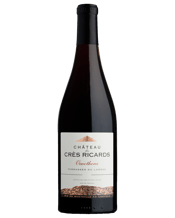
As tastes in wine evolved, the Languedoc faced a problem. It had gone all-in on producing Vin de France – a basic red wine that was shipped across Europe – but demand for this style diminished as the end of the century neared. The region was forced to reinvent itself and now there are high-quality, but relatively unheard of, wines to be discovered, like Château des Crès Richards Oenothera. This syrah/grenache blend makes the most of the terroir of Terrasses du Larzac, with plenty of spice, tobacco and blackcurrant on the nose and a velvety mouthfeel dominated by black fruits.
As far as tourist destinations go, Languedoc-Roussillon really does have it all. We're talking a little over 27,000 square kilometres here, a huge area encapsulating the Mediterranean coastline, the Pyrenees mountains and the cities of Carcassonne, Montpellier and Nîmes. A trip to the Languedoc might see you exploring the dramatic gorges of Lozère, the Roman amphitheatre in Nîmes or Carcassonne's medieval fortress, or perhaps trekking through the Pyrenees. What's more, wineries have stepped up their efforts to attract tourists to vineyards, whether it's through on-site restaurants or accommodation.
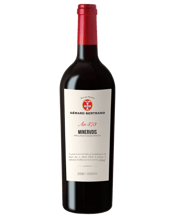
If you can't, for whatever reason, get to France right now, the next best thing is a wine that's an expression of the region. Gerard Bertrand Heritage Minervois is a blend of syrah and carignan hailing from Minervois, one of Languedoc's designated AOCs. It's velvety smooth with a long finish, showing hints of black fruit, quince and cardamom, nicely brought together with some delicate tannins. The region's capital is the stunning village of Minerve, which is perched high up on a gorge and was selected as one of 'The Most Beautiful Villages of France'. Our advice? Start planning your visit over a glass of Gerard Bertrand, paired with a hearty cassoulet to keep things regional and delicious.



%20(1)?$dans-daily-web-image$&hei=900)
?$dans-daily-web-image$&fmt=png-alpha&wid=800)