Turns out, the best food and wine pairings were together this whole time.
I just read Anthony Bourdain’s A Cook’s Tour (only took me two decades to get there). The globetrotting chef was mostly interested in food but, wherever he ate, wine was naturally there. In one chapter, Bourdain travels to rural Portugal where a village pig is slaughtered (retold in Stephen King-level detail) and local dishes are eaten, always with wine – like caldo verde (a soup of regional greens, potatoes and chorizo) and grilled pig’s heart alongside Portugal’s vinho verde wine. In another, he joins fishermen shucking Arcachon oysters fresh from the bay and drinking local white Bordeaux. Time after time, neighbouring food and wine makes a sublime pair.
There are plenty of reasons why this might be the case – the convenience of what’s nearby, flavours refined by passing generations, the characteristics of a natural environment, and companion planting. The point is this: if you see food and wine growing in the same area, there’s a strong chance they’ll wind up working together. It’s a romantic, historical and still-relevant philosophy when it comes to pairing food and wine – just look at a restaurant like the Gippsland-focused Farmer’s Daughters in Melbourne if you need proof of how it can apply ’round these parts.
There’s a real old-school charm in pairing food and wine based on its regional proximity, and it’s got us thinking about some classic pairings of old. The following are some tried-and-true matches you can transplant into your own kitchen, but it’s easy enough to adapt the idea to suit what’s grown and produced in your region – you’ll see they’re all basically templates with worldwide variations on the theme.

Click image to shop
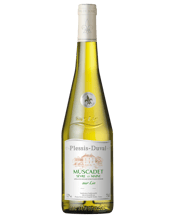
1. Oysters and muscadet
Crisp white wine and seafood is a real no-brainer – it can’t have taken early winemakers long to figure out that their zesty whites worked perfectly with their backyard sea bounty. One place where they definitely cottoned on is in France’s Loire Valley, near the city of Nantes. Here plump, briny oysters are farmed just off the coast while a grape called muscadet grows in local vineyards. As a wine, muscadet is light, has a little saline and is zippy with acidity – a serendipitous profile for seafood fans.
Of course, surrounded by ocean and filled with wineries, Australia has its own versions of oysters and muscadet – sauvignon blanc with Coffin Bay oysters in South Australia, or Great Southern riesling with Albany coast oysters in Western Australia, for starters.
Wine to try: Plessis-Duval Muscadet Sevre et Maine Sur Lie
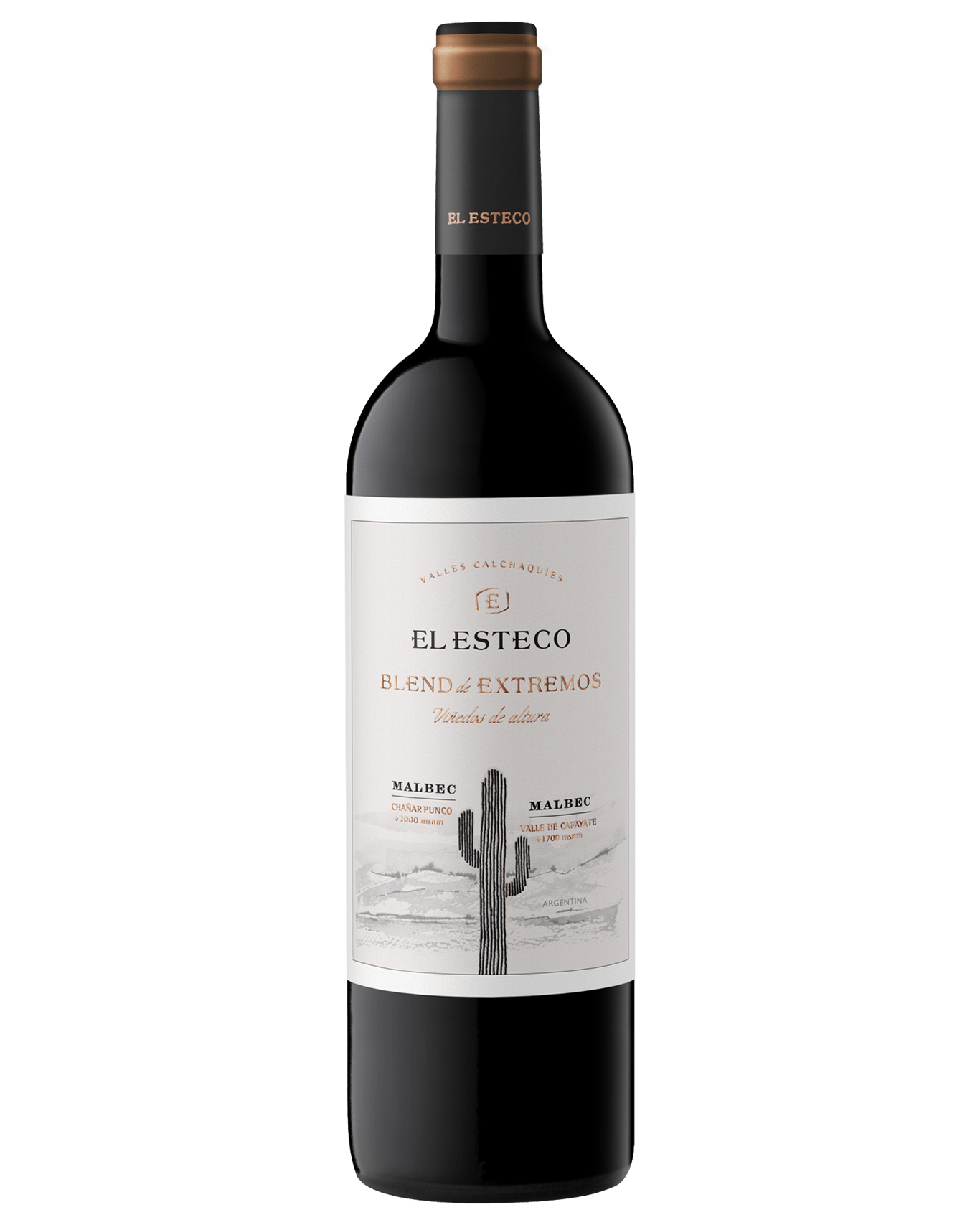
2. Steak and malbec
Where grapes grow and cows chew, a regional version of beef and red wine will surely follow. In Italy, the famous pairing is Tuscany’s Bistecca alla Fiorentina – young beef cooked rare – alongside Chianti Classico. In France, local Charolais beef is literally cooked in the region’s pinot noir for the rib-sticking-rich beef Bourguignon stew – ideally served with a glass of the same wine. It’s no surprise, then, that Argentina’s two biggest culinary icons are similarly hand in glove.
Asado is Argentina’s famous style of barbecue, cooking meat and vegetables of all varieties right over the open, smoky fire. Local beef is mostly grass fed, giving it a potent flavour that’s heightened by the fire-roasted flavours, making a serious match with the country’s iconic malbec – a full-bodied, fruity red wine that will easily stand up to a charred steak.
Wine to try: El Esteco Malbec
Click image to shop
Click image to shop
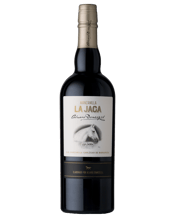
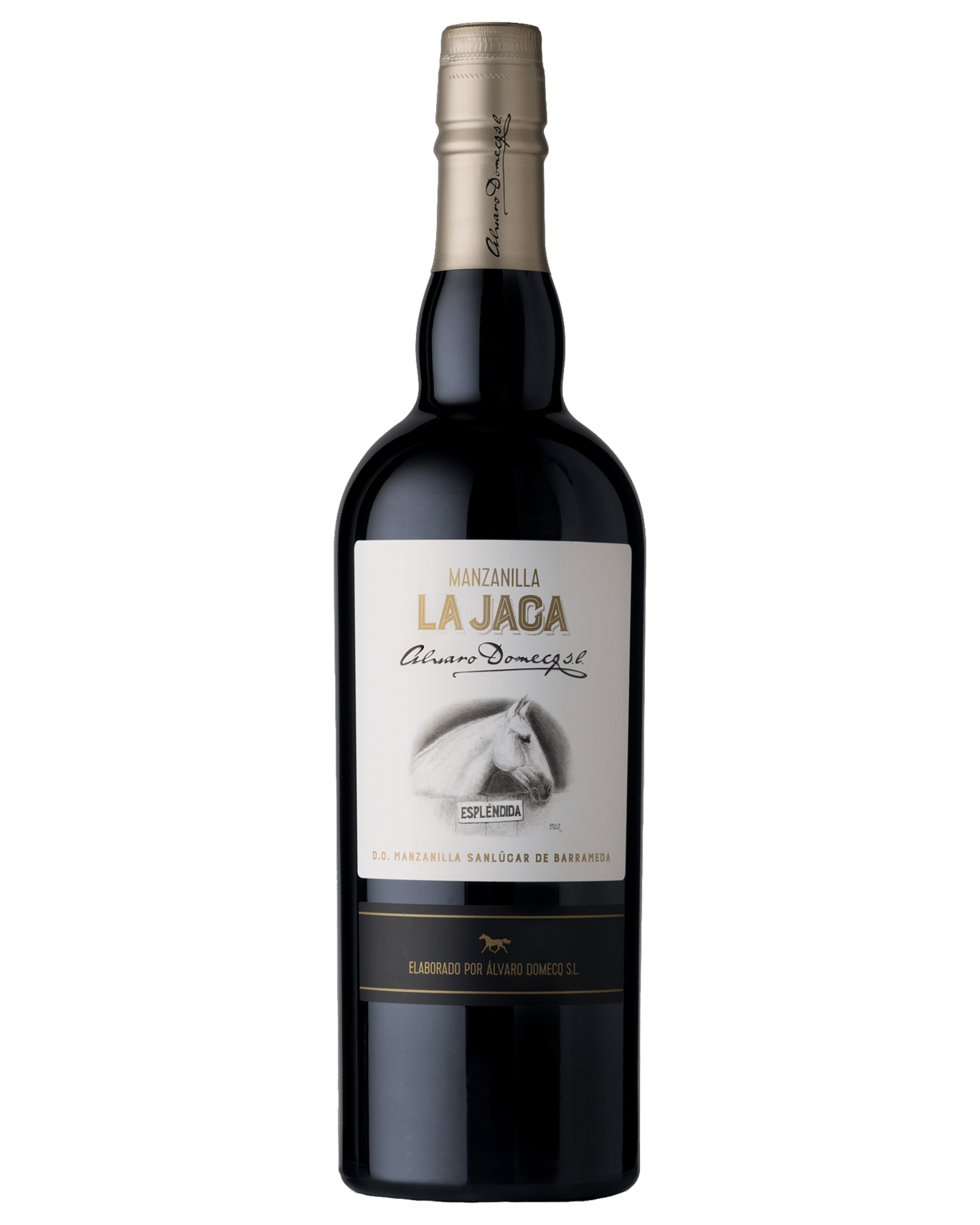
3. Sherry and jamón ibérico
Saying that jamón ibérico is ham is like saying sherry is wine – it’s true, strictly speaking, but it doesn’t give you the full picture. Sherry is more like a category of fortified wines, ranging from light and dry to rich and sweet, often with a distinctively nutty, oxidised flavour. Jamón ibérico is a rich and fatty cured meat made from Black Iberian pigs.
The two Spanish national treasures crop up all across the country, but it’s Andalusia in the south where you’ll find the iconic examples. Apart, they are fabulous – together is something else entirely. A dry, nutty sherry (like amontillado or manzanilla) is perfect for taming and heightening the fatty, salty, slightly sweet jamón in a way that you kind of just need to experience yourself.
Wine to try: Álvaro Domecq Manzanilla La Jaca
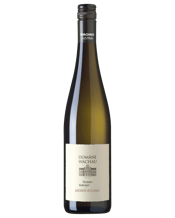
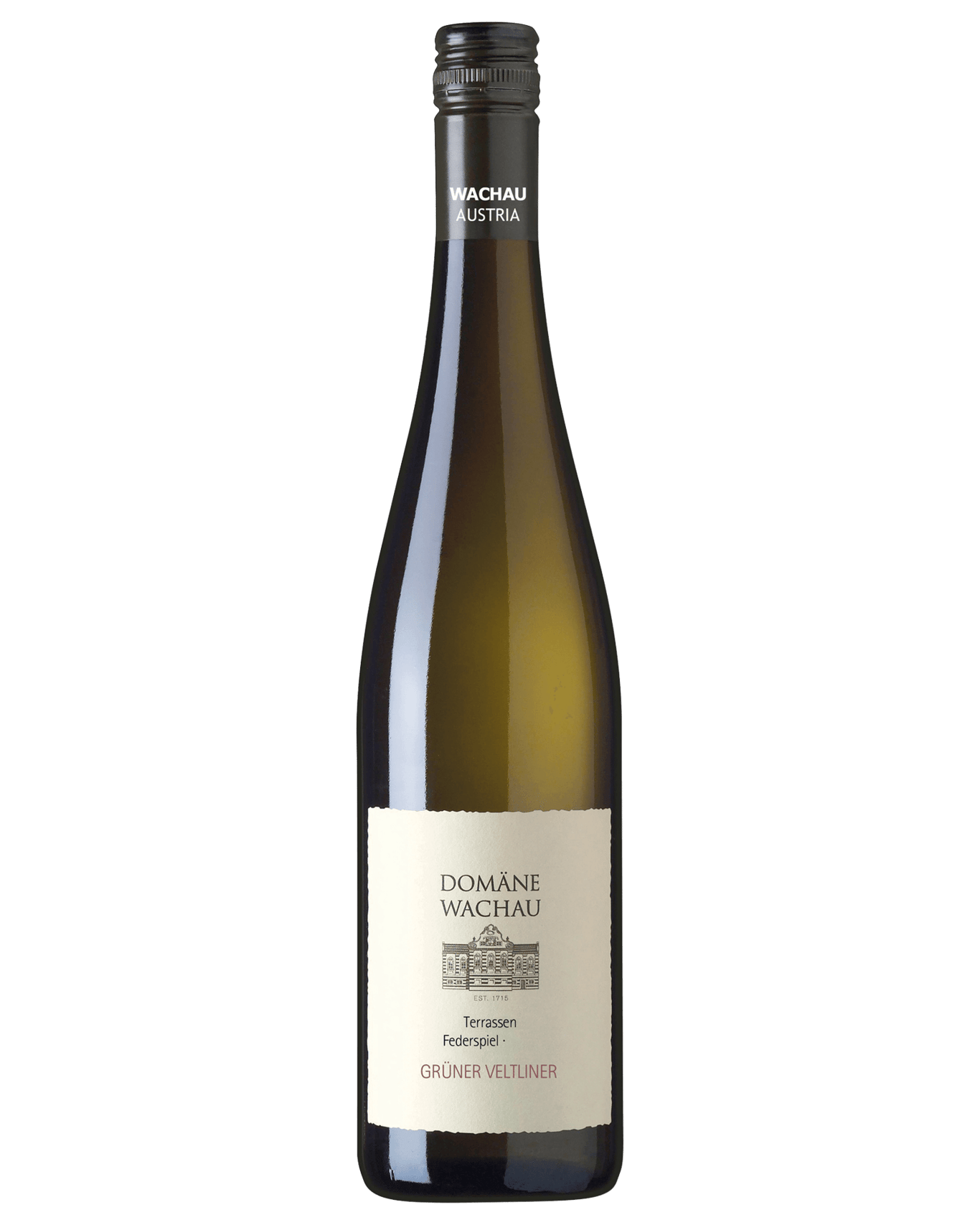
4. Schnitzel and grüner veltliner (or riesling)
Here’s a testament to the fact that the ‘grows together/goes together’ idea isn’t an exact science – it’s more like a matter of circumstance. Both the Germans and Austrians have their own take on the humble schnitzel and, depending on which side of the border you’re on, you’ll find different wine pairings (along with different proteins and sides – it’s a whole thing).
Austria’s famous version, the Wiener schnitzel, is a breaded and fried veal cutlet, sometimes served with a little green salad or some potatoes on the side. The region around the city of Vienna (they call it ‘Wien’ in Austria, hence the name of the schnitzel) is known for a crisp, citrusy wine called grüner veltliner that goes extremely well with its fried cutlet friend. In Germany, the protein can be pretty much anything, depending on where you are – chicken, veal, pork or even turkey. Schweineschnitzel is the pork version and it’s a sucker for the locally-made style of riesling – trust us.
Wine to try: Domäne Wachau Terrassen Federspiel Gruner Veltliner
Click image to shop
Click image to shop
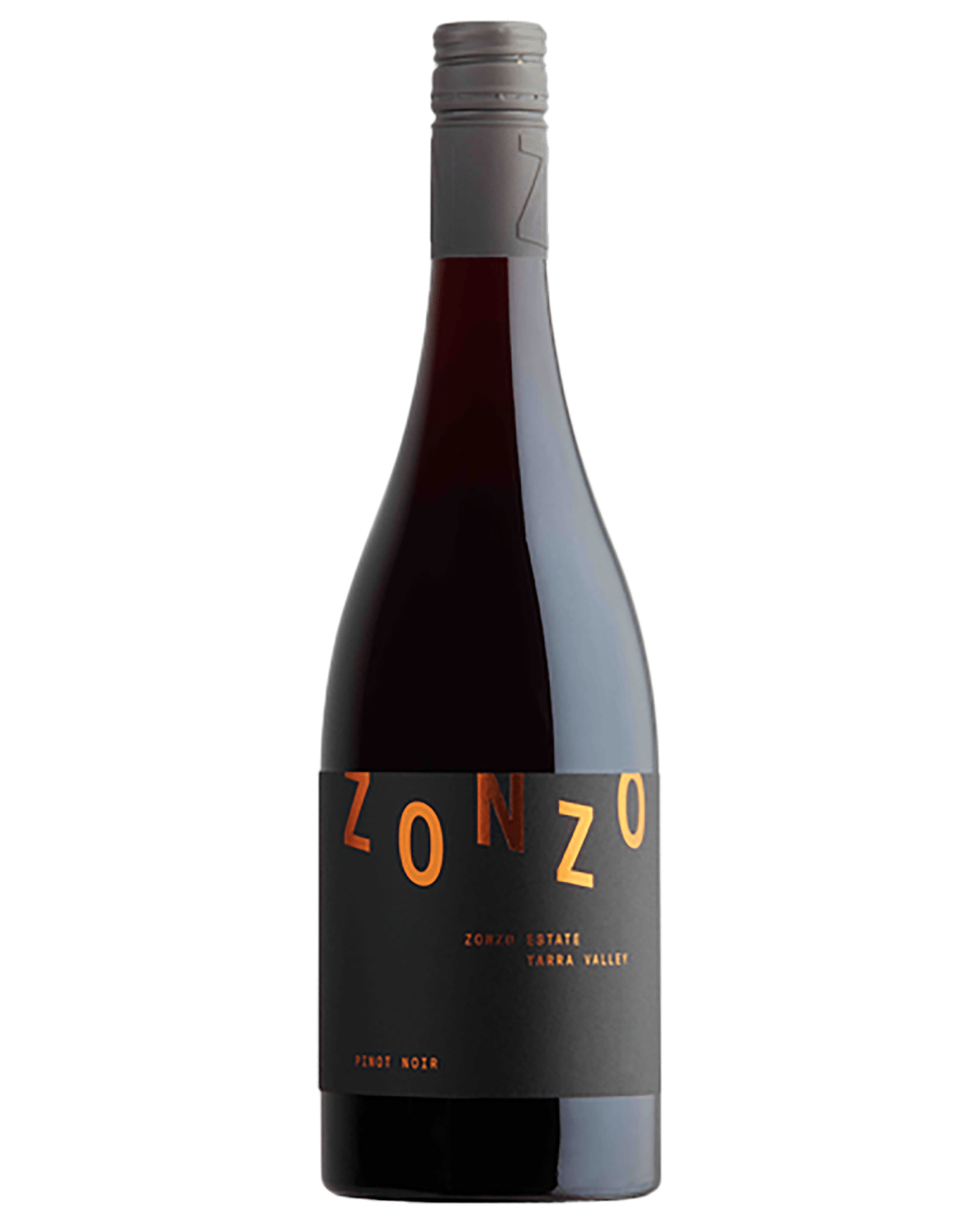
5. Lamb and pinot noir
Consider this a parochial pick, but Australia’s lamb and pinot noir game is hard to beat. Regions like the Yarra Valley in Victoria are lush, temperate expanses of grassy hills and sheltered valleys – ideal conditions for both sheep and pinot, with a natural grass diet giving lamb its signature gamey flavour and a cool climate protecting pinot from the hot sun. In the Yarra Valley, both pinot and lamb have happily coexisted for as long as white settlers have been in the area – Yeringberg has been successfully raising sheep and making wine there since 1863.
For the authentic serve, we’d recommend a roast rack of lamb with a local pinot noir, with pinot’s brightness tempering a fatty piece of lamb, while the subtle herbal flavours of the region come through in both. And it doesn’t have to be Yarra Valley, either, with great examples of both wine and meat closely raised in areas like Gippsland and Tassie, too.
Wine to try: Zonzo Estate Pinot Noir