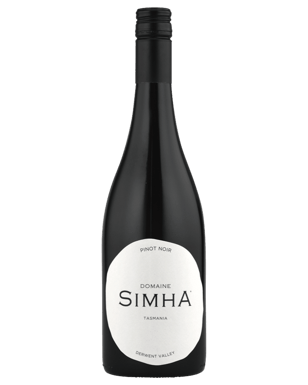
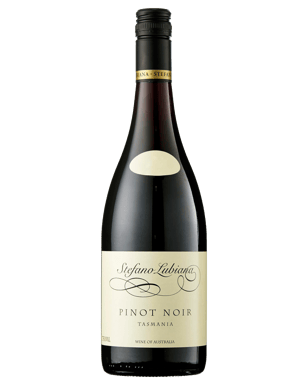
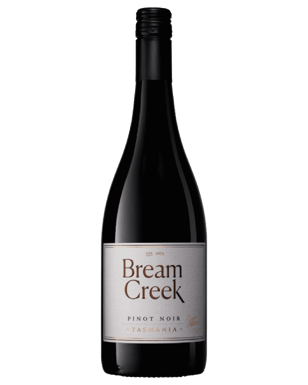
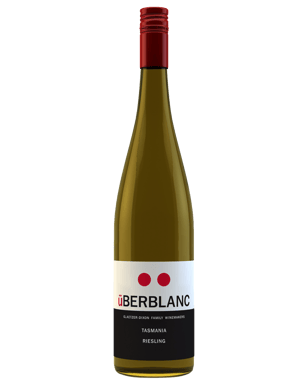
Uncover breathtaking landscapes, incredible wines and the freshest oysters you’ll ever eat, all just a stone's throw from Hobart.
Hobart may be the centrepiece, but the treasures of Southern Tasmania are scattered from the Coal River and Huon Valleys right across to Blackmans Bay and the Tasman Peninsula. Here, growers relish in the region’s cool climate and long sunny days, which make for gradual ripening, more concentrated fruit and complex wines. All this being just a smidge of what Southern Tassie has to offer.
Travelling among these subregions, you'll discover the freshest oysters you've ever eaten, breathtaking landscapes, and some of the finest wine and food in the entire country – and that's before you even step foot in Hobart. It's a fascinating region that's proven to be an unmissable cultural destination, and now's the time to discover why. And the wines? It’s safe to say you’ll taste some of the best pinot noir, chardonnay and riesling in Australia.
Elevation – 50–175m
Total vine area – 976ha
Average annual yield (grapes crushed) – 4,600 tonnes
Soil – Sandstone and schist with areas of peaty alluvial and sandy soils
Climate – Cool maritime climate with cold sea winds balanced by long hours of sunshine
Mean temp (Jan) – 16.8°c
Average growing season rainfall – 477mm
White grapes – 48%
Red grapes – 52%
1. Pinot noir – 43%
2. Chardonnay – 28%
3. Sauvignon blanc – 11%
4. Pinot gris / pinot grigio – 8%
5. Riesling – 6%
Tasmania may seem like the new winemaking kid on the block, but its viticultural heritage can be traced back to the 1800s, with vines planted as early as 1823. However, it wasn’t until the second half of the 20th century that Australia’s southernmost wine industry really took off with the establishment of iconic wineries like La Provence and Moorilla Estate in the 1950s and ’60s.
Vintage variations are greater in Tasmania than any other Australian wine region. This means that a wine produced from the same vineyard, made the same way by the same winemaker, will often look completely different from one year to the next. The unique nature of the season is reflected in each wine and makes for an insightful tasting of multiple vintages from the one producer.
Technically, Tasmania is a single wine region, but it’s brimming with variety. That’s part of what makes Tassie wines so magical, with an array of different soil types, typographies and climates (even within the one vineyard). It all imbues these wines with a sprinkling of fairy dust (or schist, if you want to get technical).