Enjoy legendary wineries, impressive fine dining and stunning back beaches, all just an hour’s drive from Melbourne.
Just over an hour south-east of Melbourne, the Mornington Peninsula is a melting pot of locals, daytrippers, holiday makers and wine lovers. From the windswept back beaches to the placid waters of Port Phillip Bay, you'll find all sorts of people dotting the golden coastline. But we think it's further inland – Red Hill, Main Ridge, Merricks – that the real magic happens. Here, you’ll find the countryside peppered with boutique wineries and cosy cellar doors, where you can sample the region’s top notch wines.
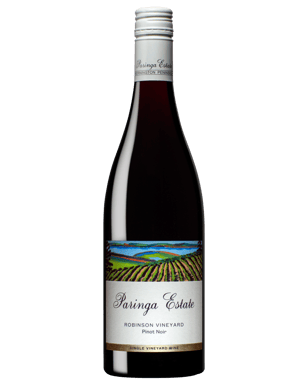
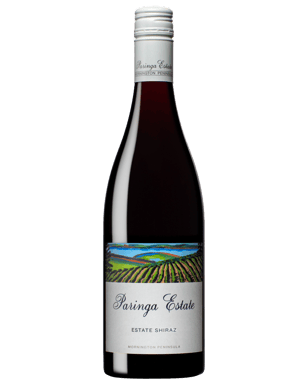
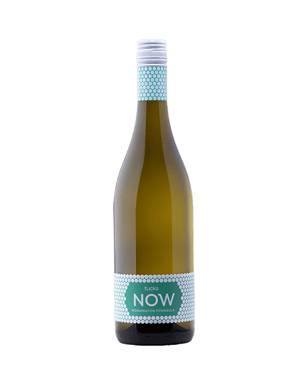
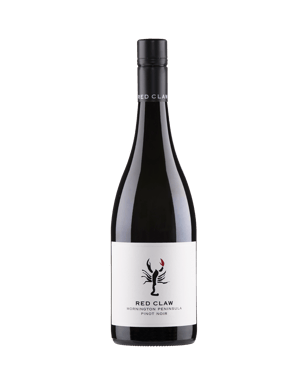
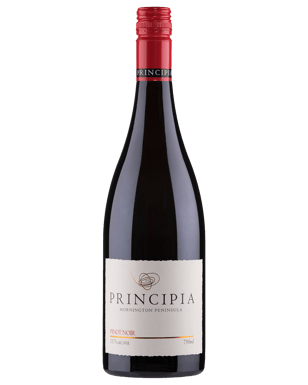
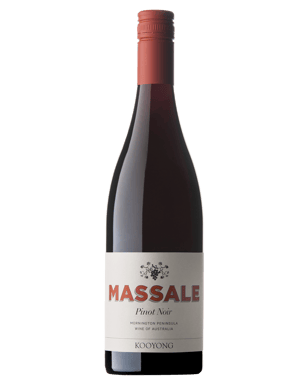
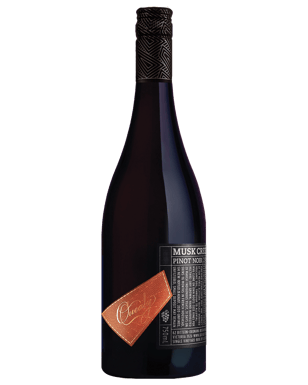
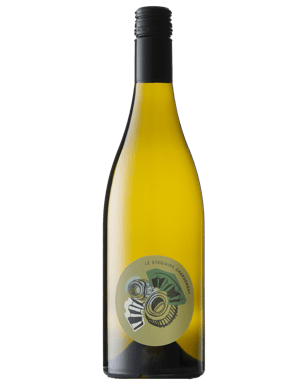
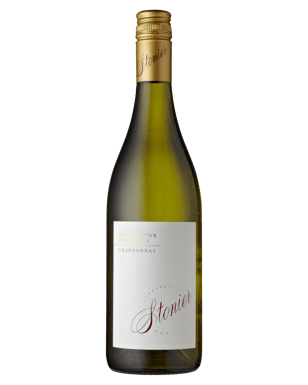
The Mornington Peninsula is best known for its elegant pinot noir and complex chardonnay, though delicious cool-climate examples of pinot gris, shiraz and sauvignon blanc are certainly holding their own, too. As the years go by, we're beginning to understand what the region is truly capable of, with some of the country's best winemakers now experimenting in the Mornington Peninsula's soils. But there's a lot more to the region than wine – it’s also blessed with incredible natural beauty, a variety of stunning (often secluded) beaches, indulgent day spas and thermal hot springs, as well as an exciting culinary scene guaranteed to set your mouth a-watering. So, even if you're not into the more technical aspects of wine, it sure is tough to beat a great glass of vino as you take in those ocean views across the vineyard.
Elevation – 0–315m
Total vine area – 976ha
Average annual yield (grapes crushed) – 2,400 tonnes
Soil – Various clays, red volcanic soils and deep, fertile sandy soils
Climate – Cool maritime climate with crisp sea breezes
Mean temp (Jan) – 19.3°c
Average growing season rainfall – 371mm
White grapes – 48%
Red grapes – 52%
1. Pinot noir – 48%
2. Chardonnay – 31%
3. Pinot gris / pinot grigio – 14%
4. Shiraz – 3%
5. Sauvignon blanc – 2%
- No vineyard site is more than 7km from the ocean. Not only does this make for amazing views from many of the cellar doors, it also means the vineyards are cooled and ventilated during the growing season. This helps ward off damaging spring frosts, keeps the fruit free of disease and extends the ripening process – a killer recipe for clean, concentrated, high-quality grapes.
Mornington Peninsula was the region that launched the rise of pinot gris/grigio in Australia. Sure, this grape suffers an identity crisis like no other – is it gris or grigio? – but who cares when it's this good. Well, if you must know, the grape is the same: pinot grigio is its Italian name, and pinot gris its French name. But stylistically there are big differences – grigio is generally picked earlier, resulting in higher natural acidity and a focus on fruit flavours; gris tends to be riper, spicier and fuller-bodied, sometimes with oak ageing.
There’s more going on than just the grape in the Mornington Peninsula. It’s home to a number of craft breweries, cider producers, boutique distilleries and top-notch restaurants offering a tempting detour from the wine trail.