


Exploring the fairytale towns and vine-covered hills that make up this pocket of paradise.
Any journey along the Alsace Wine Route really does have to begin Colmar. It's impossible to overstate just how beautiful this town is – imagine colourful timber houses stacked along winding canals, immense medieval churches and local artisans baking and butchering in the narrow, cobbled streets. There's no better way to spend a day or two than wandering through Old Town and Little Venice, sampling a local cuisine that's heavily influenced by both German and French cooking. From baguettes to pretzels and snails to sauerkraut, Colmar is a dream for foodies, and that's before you even try the wines.
The Alsace wine region is split into Bas-Rhin, to the north, and Haut-Rhin to the south, which is where Colmar lies. Haut-Rhin is known for having the best vineyards, which are planted on the slopes surrounding the Rhine River. There are three classifications of wine in Alsace, with Alsace AOC (appellation d'origine contrôlée) making up 74% of total production, the majority of which are still white wines. Then there's Cremant d'Alsace AOC, which is focused on sparkling whites, accounting for just under a quarter of production, and finally Alsace Grand Cru AOC. The Grand Crus come from grapes proven to produce truly exceptional wines, known as 'noble grapes'. These are riesling, gewurztraminer, pinot gris and muscat, which make up just 4% of Alsace's total production.
Travel just 10 kilometres north of Colmar and you'll come across the town of Riquewihr, home to around 1500 Alsatians (the people, not the dogs). Like Colmar, it's a picture-perfect throwback to medieval times, set among the scenic peaks of the Vosges mountains. Riquewihr is everything you'd expect from a small French town, but for such a tiny place, it packs a real punch when it comes to quality wine.
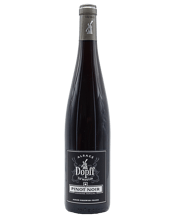
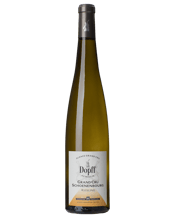
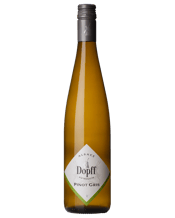
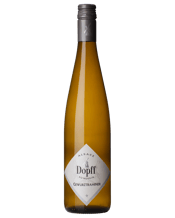
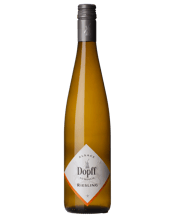
One of the leading producers here is Dopff Au Moulin, who have been making wine in the area since 1574. The beautiful estate has seen 13 generations of the Dopff family work their magic on the vines and their talent is evident in every bottle. The pinot gris is soft with flavours of banana, honey and chamomile, while the pinot noir – a less common Alsace red – is delicate with red fruit, spices and a real freshness. But the real star of the show is the Riesling Grand Cru Schoenenbourg, grown on a much-celebrated plot of land just north of town. Even Voltaire, the celebrated French writer, bought a couple of acres of the Schoenenbourg vineyard during the 18th century. This riesling has fantastic citrus notes and toasty, caramelised honey with a well-balanced acidity and a lot of length – an absolute showstopper.
Another much-loved local producer is Hugel, whose signature gewürztraminer is aromatic, floral and perfect for spicy Asian dishes and strong cheeses. The Hugel family, who have been making wine here for nearly 400 years, are recognised as top-tier Alsace producers and are one of 12 worldwide producers that can call themselves members of the prestigious Primum Familiae Vini.
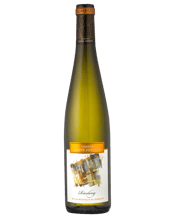
Continue north along the Alsace Wine Route and you'll cross from Haut-Rhin to the northern region known as Bas-Rhin. Here you'll find Barr, the region's wine capital, which hosts Alsace's oldest wine fair and is actually one of the quieter spots along the route. A lot of tourists will visit nearby Obernai instead, which means missing out on some excellent wines like Domaine Andre Lorentz's Alsace Riesling. It's delicate yet complex, with minerality, floral notes and citrus flavours, not to mention a nice zesty freshness.
Riesling aside, the cellar door at Lorentz-Klipfel makes for a great afternoon out, with a museum dedicated to Alsatian wine and a restaurant serving traditional meals. You can also try a whole range of sparkling, white and red wines, gaining an appreciation for the magic of the Alsace region as you go.
With 170 kilometres of vines to and towns to explore, the Alsace Wine Route can be taken as quickly or as slowly as you wish. But if a trip to France is a long way down the line, you can find out exactly why Alsace is such a celebrated wine region by shopping our full range of wines online or heading to your local Dan's to chat with our wine team.


%20(1)?$dans-daily-web-image$&hei=900)
?$dans-daily-web-image$&fmt=png-alpha&wid=800)