


Get to know 10 key varieties in this light-to-bold line-up so you can find the exact kind of wine you like best.
Ever browsed the wine aisles in your local Dan’s, unsure where on the broad spectrum of reds your taste lands? Those shelf signs announcing each wine variety are helpful, but they’re mostly for people who know their gamay from their grenache. If that’s not you, we’re here to help. Rather than wait for your bottle-o to start using signs like Movie Night Picks, Pasta Pairings or Award Winners, knowing a little something about each variety’s body – or palate weight – can make all the difference.
Understanding how light or heavy a wine typically feels with each sip can help you find the right style for you. This is especially true for red wines because they stretch from light and delicate to in-your-face flavour bombs and everything in between. With so many different aromas, flavours and other elements to choose from, it’s often easier to decide if you want a wine that’s subtle or full throttle. That might mean a wine feels lean and almost watery as you take a sip, or mouth-coating with real texture and punch behind it. Figuring out what you prefer on this scale is a huge step towards finding the wines that suit best.
With that in mind, we’ve run through 10 red grape varieties from lightest to boldest, with tips about their flavours and best food matches, too. First, some caveats: there are, of course, way more red wine varieties out there, and some are even bigger than those in this list (oh hey malbec and durif!). And before you come for us in the DMs, wine styles do vary wildly – there will always be examples that debunk this line-up. That said, knowing a little about these 10 core reds and their signature styles is sure to help you hone in on your favourites. Consider this your shortcut to choosing the best red wine for you every time.
Click image to shop
1. Pinot noir
What to expect: There are plenty of richer styles out there, but, along with gamay, this native French variety sits at the start of the scale. With bright cherry, raspberry and cranberry flavours, along with savoury, earthy notes and minimal tannins, pinots can be deceivingly complex. They don’t scream for attention but still often steal the show.
Classic matches: Duck and pinot is the age-old pairing (takeaway Chinese barbecue duck is bang on), as well as any mushroom-heavy dish, but this wine will work with almost anything, richer seafood included.
Key regions: Originally from Burgundy, those French wines are the most revered, but benchmark styles are made around the world, Australia included – Victoria’s Yarra Valley among them.
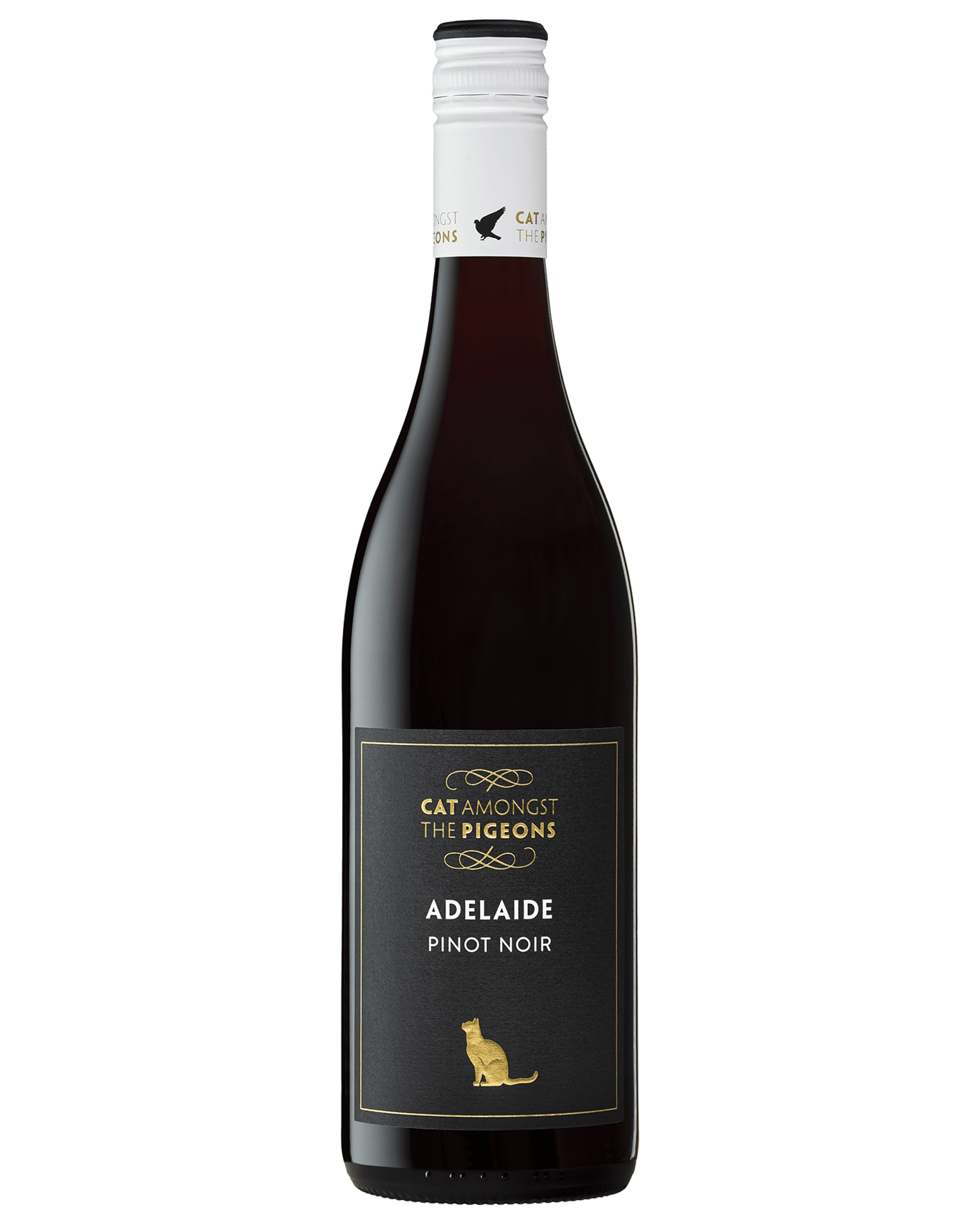
Try: Pinot loves a cool climate, so try Tasmania’s Josef Chromy Pinot Noir or Cat Amongst The Pigeons Pinot Noir from the Adelaide Hills.
What to expect: Despite sharing a name (and bloodline) with cab sauv, this is a fresher, less tannic and more perfumed wine. From red and black fruits to spicy, herbal notes with a little capsicum and pepper in the mix, cab franc is an underrated wine; it’s long contributed to blends rather than been celebrated in its own right – until now.
Classic matches: Often lighter bodied and quite bright, cab franc works with many dishes, from grilled veg and your go-to pasta to cheese plates, braises and more.
Key regions: Cabernet franc hails from France’s Loire Valley, but it’s found in various countries, with our own regions turning out quality styles, including Margaret River.
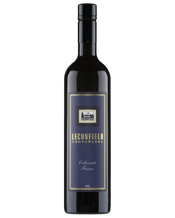
Try: For a traditional take, seek out the Famille Bougrier Confidences Chinon Cabernet Franc or try our own Leconfield Cabernet Franc from Coonawarra.
3. Sangiovese
What to expect: The pride of Italy’s Tuscany and the grape behind their famed Chianti wines, sangiovese is the sort of medium-bodied wine that would make almost everyone take another sip. Earthy with good acidity, and herbal, spiced and savoury fruit notes, this wine is made for food. It’s Italian, after all.
Classic matches: Sangiovese loves tomato – think pastas, pizzas, ragus and stews – but so many rustic Mediterranean-style dishes are also right at home with this wine, such as herb-loaded risottos.
Key regions: Italy is the home of sangiovese, but the variety has spread its roots and we love what it’s doing here in Australia, especially in our warmer regions.
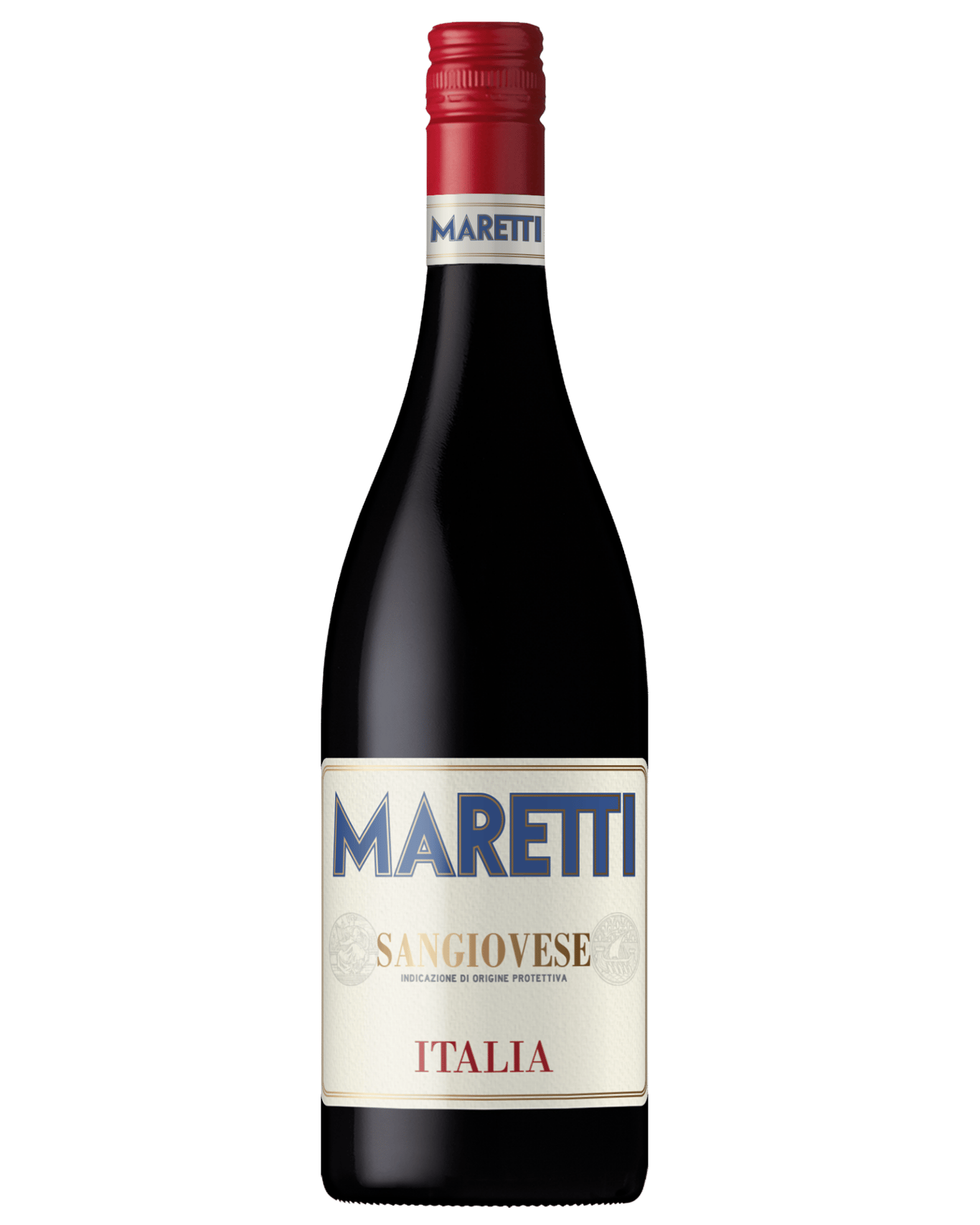
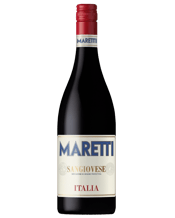
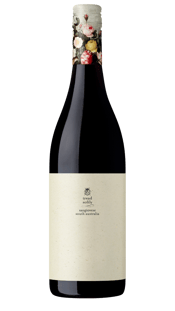
Try: For a lower-ABV style, the Tread Softly Sangiovese is super approachable, as is the Maretti Sangiovese from Italy.
Click image to shop
What to expect: A Spanish wine hero, tempranillo is another cracking pick for almost any occasion. Dark cherry flavours mingle with herbal and savoury notes like tobacco, but despite this depth, acidity keeps most tempranillos on the approachable side of medium-bodied.
Classic matches: Often found on the table with tapas, where full-flavoured dishes are all served together, tempranillo knows how to be the perfect dinner guest. Great with cured meats, spiced dishes, heavier braises and veggie bakes, it also comes into its own at a barbie with grilled meat.
Key regions: Spain’s Rioja (rhee-yo-ha) is famously the home of tempranillo, but the grape thrives in warm conditions, so it’s finding its place in many other countries, Australia chief among them.
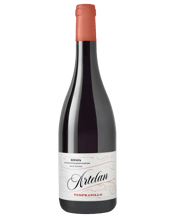
Try: Rutherglen Estates Tempranillo is a great intro to the variety, and for an accessible Spanish example, look for the Artelan Rioja Tempranillo.

Click image to shop
5. Merlot
What to expect: If wine descriptors like smooth and plush grab your attention, merlot is for you. Best known as part of cabernet blends that rounds things out, merlot also stands tall on its own. Styles can get big and bold, but, ultimately, this is a medium-bodied wine with dark fruit flavours, perhaps a lick of chocolate and oaky, tobacco notes.
Classic matches: Typically a supple and restrained wine, merlot suits a host of meals, sitting just as happily alongside a roast chook or duck as it does with steak, pasta, burgers and more.
Key regions: A core variety in Bordeaux blends, merlot is also produced beyond France, most prominently in the US, South America and on our shores, particularly in South Australian regions and Margaret River.
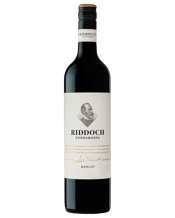
Try: For a classic example, check out the dense Riddoch Coonawarra Merlot or Ask the Elephant Merlot, which is a multi-regional blend.
What to expect: Barbera may be lesser known outside its native Italy, but this is a treat of a wine to put on your radar. Expect dark fruit flavours such as tart cherry and blackberries, with hints of licorice, dried herbs and spice, but a core of acidity makes this a fresher wine than you might expect.
Classic matches: When barbera’s pouring, we’re reaching for steak, roasts, lamb chops, pizza, ragus and earthy veg (although maybe not all at once). This is an excellent food wine.
Key regions: Native to northern Italy’s Piedmont, barbera has spread its wings and gone as far as the US, Argentina and, yep, here too.
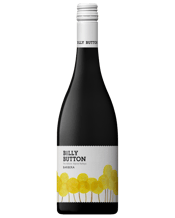
Try: It’s not always widely available, but if you spot the Victorian Billy Button Barbera, you’ll see just how well it’s going here in Aus. For an accessible Italian style, reach for the Maretti Barbera.
7. Nero d’Avola
What to expect: Italy sure knows how to turn out a great red, and here’s another one that proves it. Nero can edge into bigger-wine territory, but, like every variety, styles vary, ranging from big and bolshy to softer and more supple. Either way, expect blue and black fruits, licorice and a hint of spice, a medium body and some firm-ish tannins.
Classic matches: Another excellent all-rounder, pair nero d’Avola with your next Italian feast and you’ll be very happy you did. Nero is a great pick for your midweek dinner, too.
Key regions: Sicily is the original nero producer, but being another variety that loves a warm, dry climate, it’s also made in places like California and here in Australia. McLaren Vale and the Riverland are doing especially well with it.
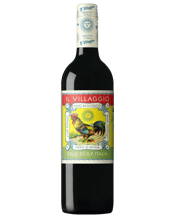
Try: For a broody, savoury example, the Il Villaggio Nero d'Avola doesn’t disappoint, and for an Aussie take, reach for the Coriole Nero.

Click image to shop
What to expect: Grenache’s diversity makes it a great sub for both pinot and shiraz. It’s full of red and blue fruit flavours, herbal, leather and tobacco notes, and exotic spices like star anise. Yep, grenache is deliciously complex. While medium bodied, some deliver more intense flavours and impact, so it’s a very versatile wine.
Classic matches: Grenache that dials up those exotic spices is made for Middle Eastern food (we love it with lamb tagine), but it’s also great with roasts (game especially), curries and chargrilled meat and veg.
Key regions: There’s loads of grenache in Spain, France and even Italy, but it’s also become one of Australia’s greatest wines – from McLaren Vale in particular.
Try: Pick up a bottle of the Thistledown Gorgeous Old Vine Small Batch Handmade Grenache or the Bento Grenache for two McLaren Vale examples.
Click image to shop
9. Shiraz
What to expect: It’s tricky to generalise about shiraz because this wine can be savoury, spiced, soft, deep, rich, weighty, jammy and so much more. It’s loved for its big blue and black fruit flavours, peppery core, hints of chocolate and firm tannins. There really is a shiraz for everyone.
Classic matches: The famous match is steak, and we’re sticking with it. A rich, peppery, fuller-bodied shiraz that’s seen some oak and has firm tannins is incredible with a perfectly cooked steak. Bonus points for a flame-grilled caramelised crust.
Key regions: While native to the Rhône Valley, shiraz is synonymous with Australia. With producers from all of our regions increasingly focusing on reflecting their sites and climates, the spread of styles gets ever broader.
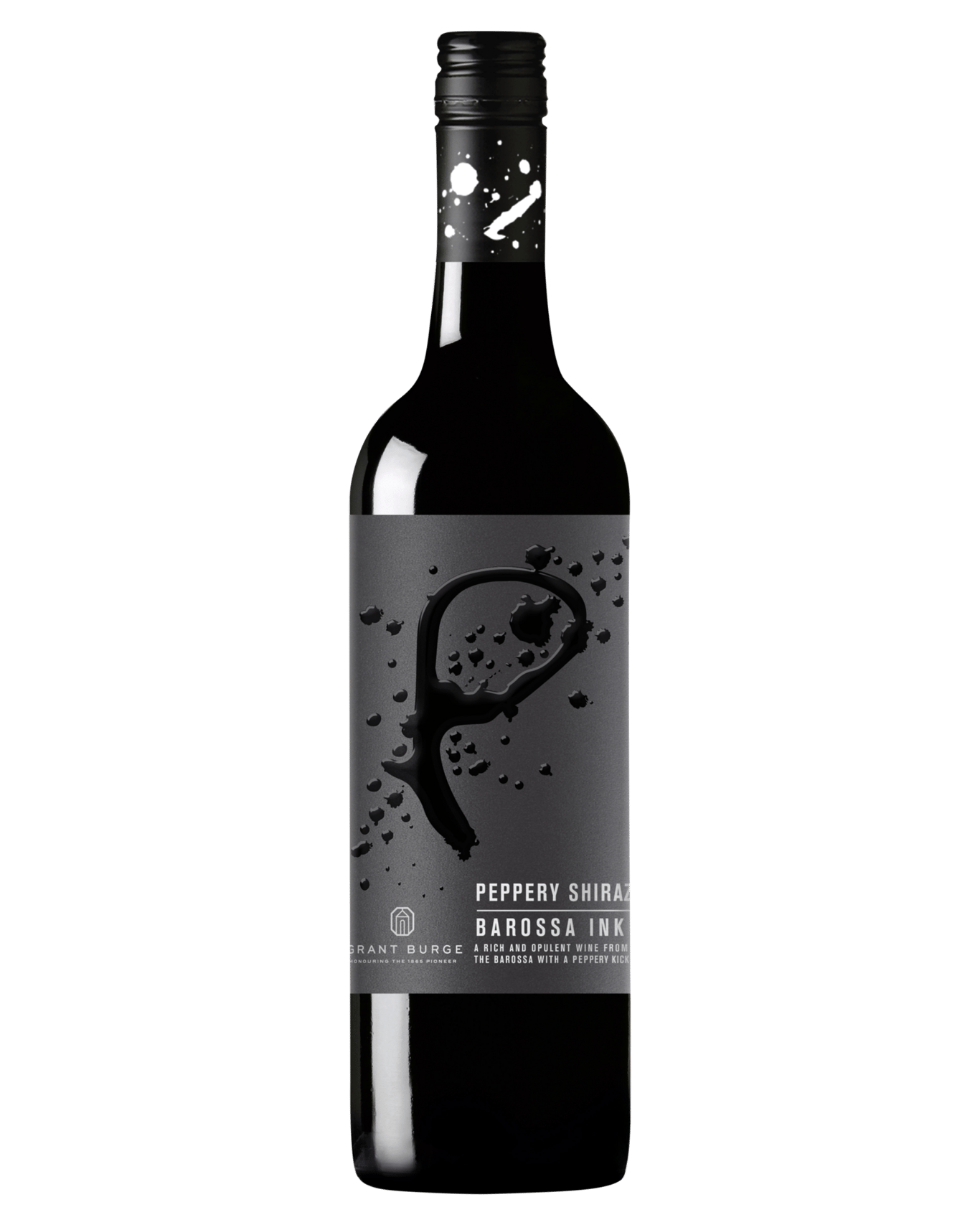
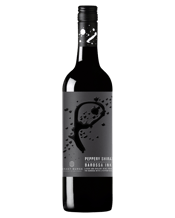
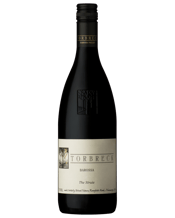
Try: For a famous name and silky style, hunt down Torbreck’s The Struie Shiraz, and the Grant Burge Ink Peppery Shiraz delivers all of the Barossa’s varietal hallmarks in a big way.
10. Cabernet sauvignon
What to expect: Cabernet is unmistakably big, but that doesn’t mean it can’t also be pretty. Young cabs are full of violet, blueberry and blackberry aromas and flavours, while savoury characters develop with age (it’s one of cabernet’s superpowers), including herbal, spiced and oaky notes. Big flavour, big tannins, big yum.
Classic matches: The traditional food match here is lamb, and we’re all about it. Often fatty, rich and intense, lamb dishes need a big, brooding wine to hold its own, and cabernet does that – and then some. Slow-cooked shanks with a glass of cab on a cold night is hard to beat.
Key regions: France’s Bordeaux can take the credit for cabernet, but this hardy grape is grown pretty much everywhere. While planted across Australia, Margaret River and Coonawarra are our best-known benchmark regions.
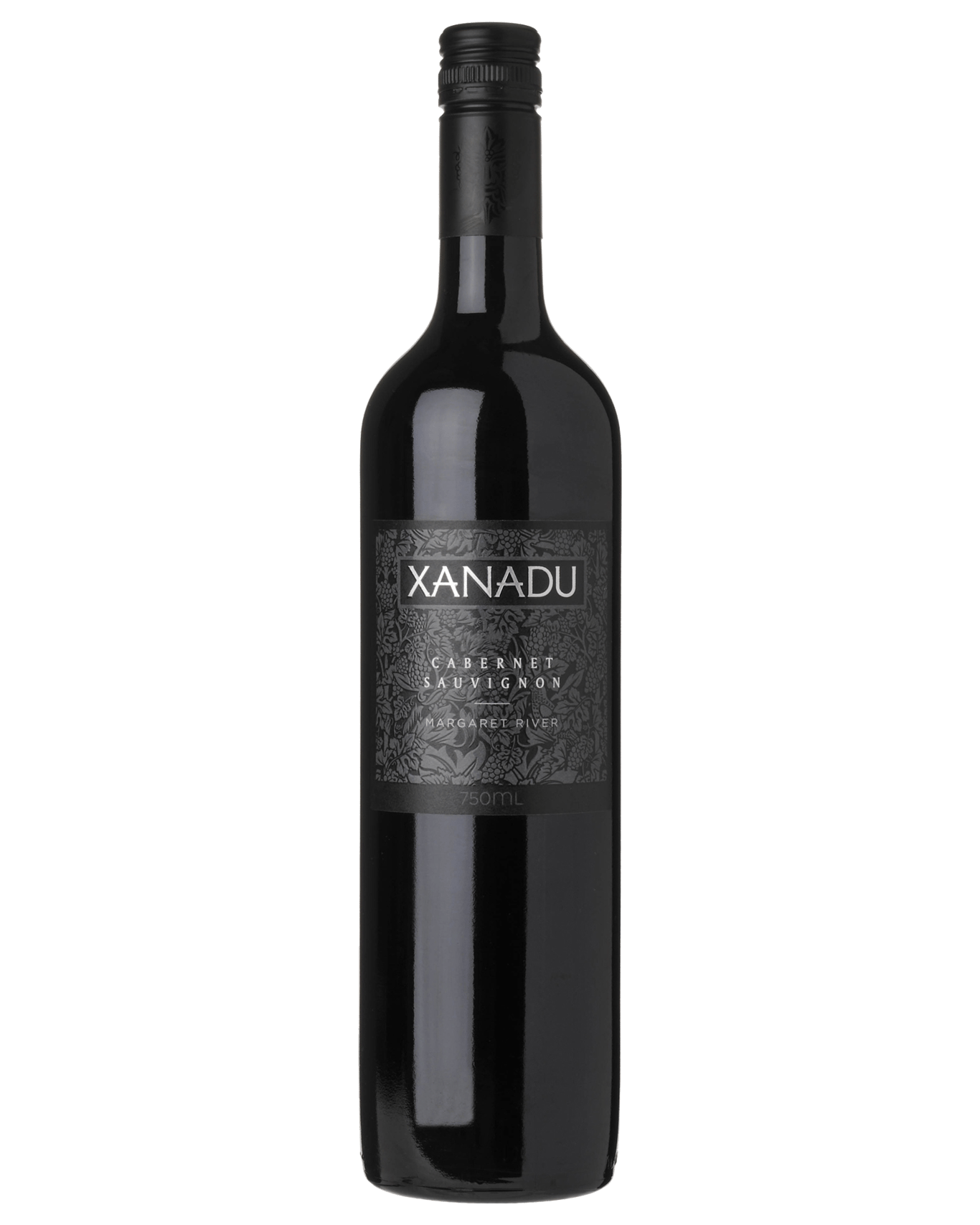
Try: The excellent Xanadu Cabernet Sauvignon is only getting better (it just collected the cabernet trophy at the National Wine Show), and the Tread Softly Cabernet Sauvignon offers a slighter lighter twist on the classic.
Click image to shop














%20(1)?$dans-daily-web-image$&hei=900)
?$dans-daily-web-image$&fmt=png-alpha&wid=800)