


It doesn’t get the headlines of cab sauv, but cabernet franc should be on your radar.
Just quietly, I’ve got a bit of a soft spot for those teen magazine/Buzzfeed-style quizzes. You know the ones – you pick some answers and it tells you what minor character you are from The Office, or which breakfast cereal best represents your star sign. If you did one for wine and personality alignment, you might get results like sassy and extroverted (sauvignon blanc), big and brash with surprising depth (shiraz), or smart with a razor tongue (riesling).
If you were to end up with cabernet franc, there’s a good chance you’re the type who’s happy to blend into the background and play a supporting role to the big stars, but you can definitely shine in a unique way when put in the spotlight. I think a lot of us are cab franc.
It’s probably not on your shopping list right now, but you might have had cabernet franc a hundred times and never realised. As our homespun personality test alluded, cab franc is common as part of a blend – particularly the iconic red blends of Bordeaux in France.
Here, cab franc holds court with others like cabernet sauvignon and merlot, combining to create one of the world’s most sought-after wines. The reason cab franc works so well in a blend is that it brings characteristics – juicy acidity and big aromas, for example – that the others don’t have so much (Jancis Robinson calls it ‘flirtatious’ and feminine compared to the masculine and muscular cab sauv).
The beauty of cab franc, though, is that it can produce really beautiful standalone wines, too, as what makes it great in a blend also lets it shine when it goes solo. While you’ll mostly find cab franc in Bordeaux-style blends (together with the likes of cab sauv, merlot, petit verdot and malbec), its home region of France’s Loire Valley is known for producing standalone wines, like Chinon, and the grape has developed a bit of a name for itself as a light, breezy style when going it alone.
Blended, solo, in rosé form – cab franc is versatile and delicious, and pretty much always on our radar these days. When made on its own and tending towards that lighter, brighter style, we reckon cab franc is a great candidate for chilling – just give it 30 minutes or so in the fridge and you’re there. The juicy fruit flavours and acidity of some cab franc means it’s a summer-worthy red best paired with charcuterie and a setting sun. The same idea can be applied to rosé made from cab franc, btw, but you’ll want to get it properly cold.
On the other hand, blends featuring cab franc tend to be a little more robust, with stronger tannins and plenty of depth. Beyond France, you’ll commonly find these Bordeaux-style blends in spots like Margaret River in Western Australia and the Napa Valley in the US. These are best at cellar temperature (cool, but definitely not chilled) and served alongside something hearty enough to take the extra tannin and body. Roast beef, umami-heavy mushroom dishes or anything braised and rich will do the job nicely.
Below, we round up six very different expressions of cabernet franc that highlight the range of styles and flavours of this versatile grape variety.
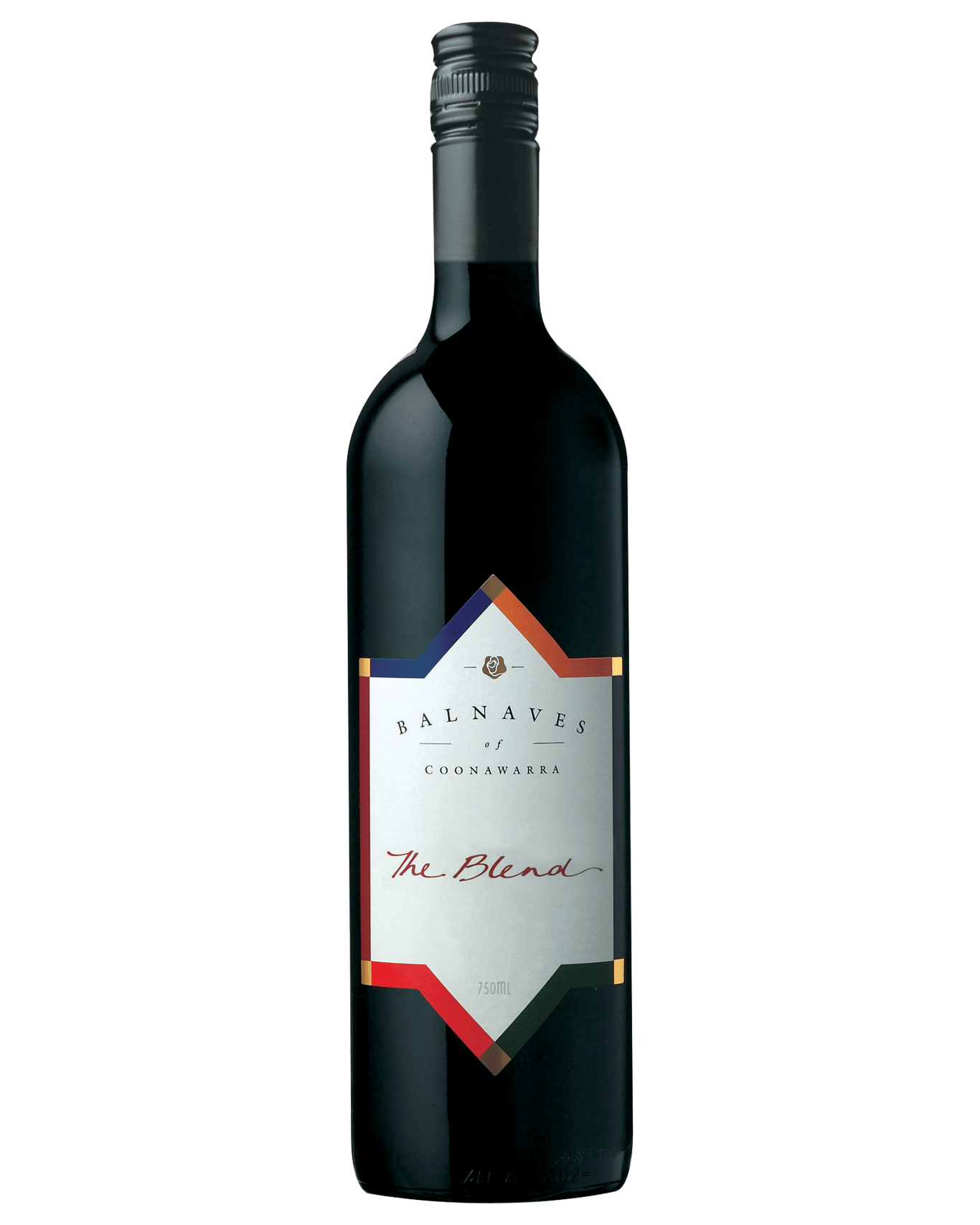
Click image to shop
1. Balnaves The Blend
2. La Villette Cabernet Franc
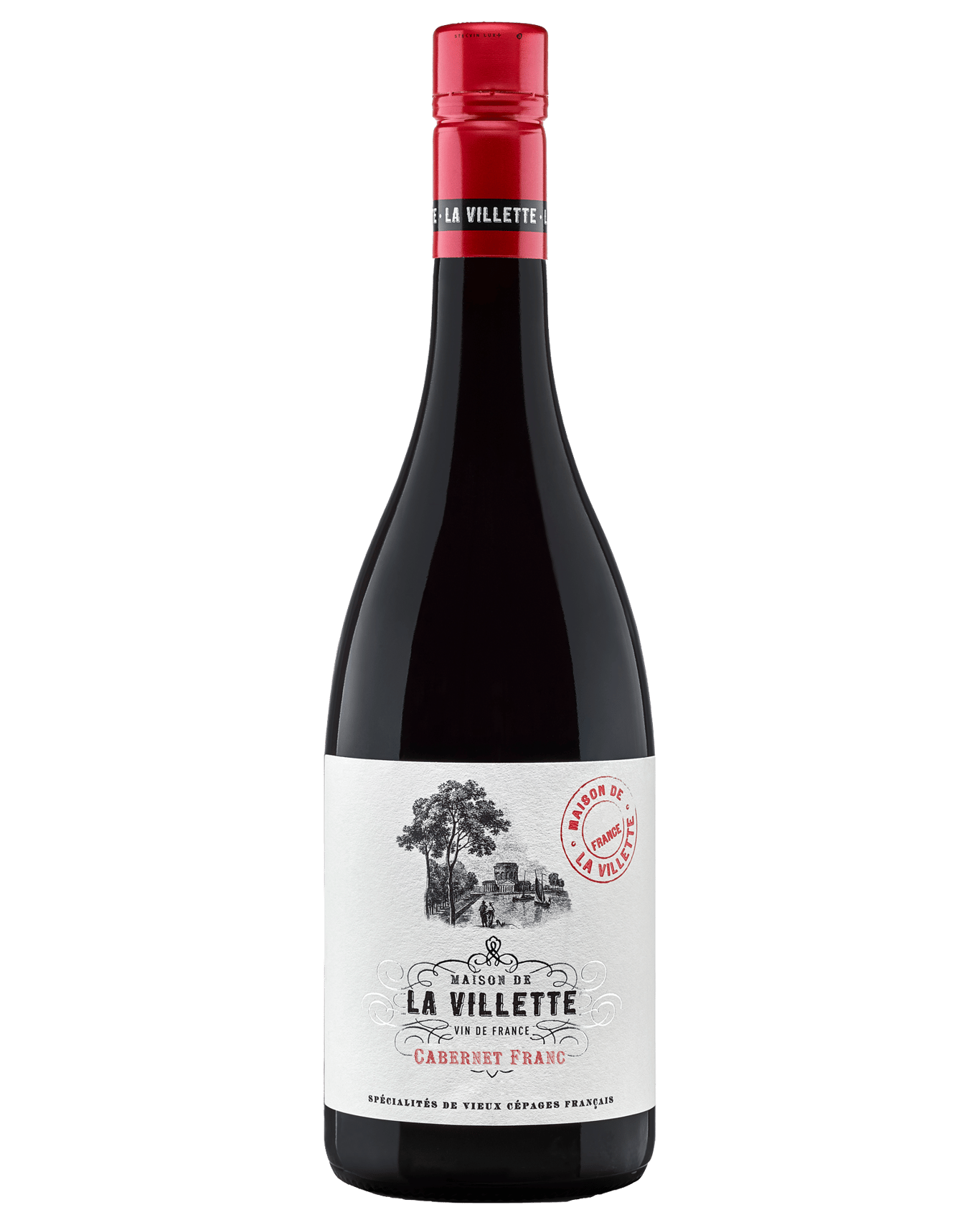
Click image to shop
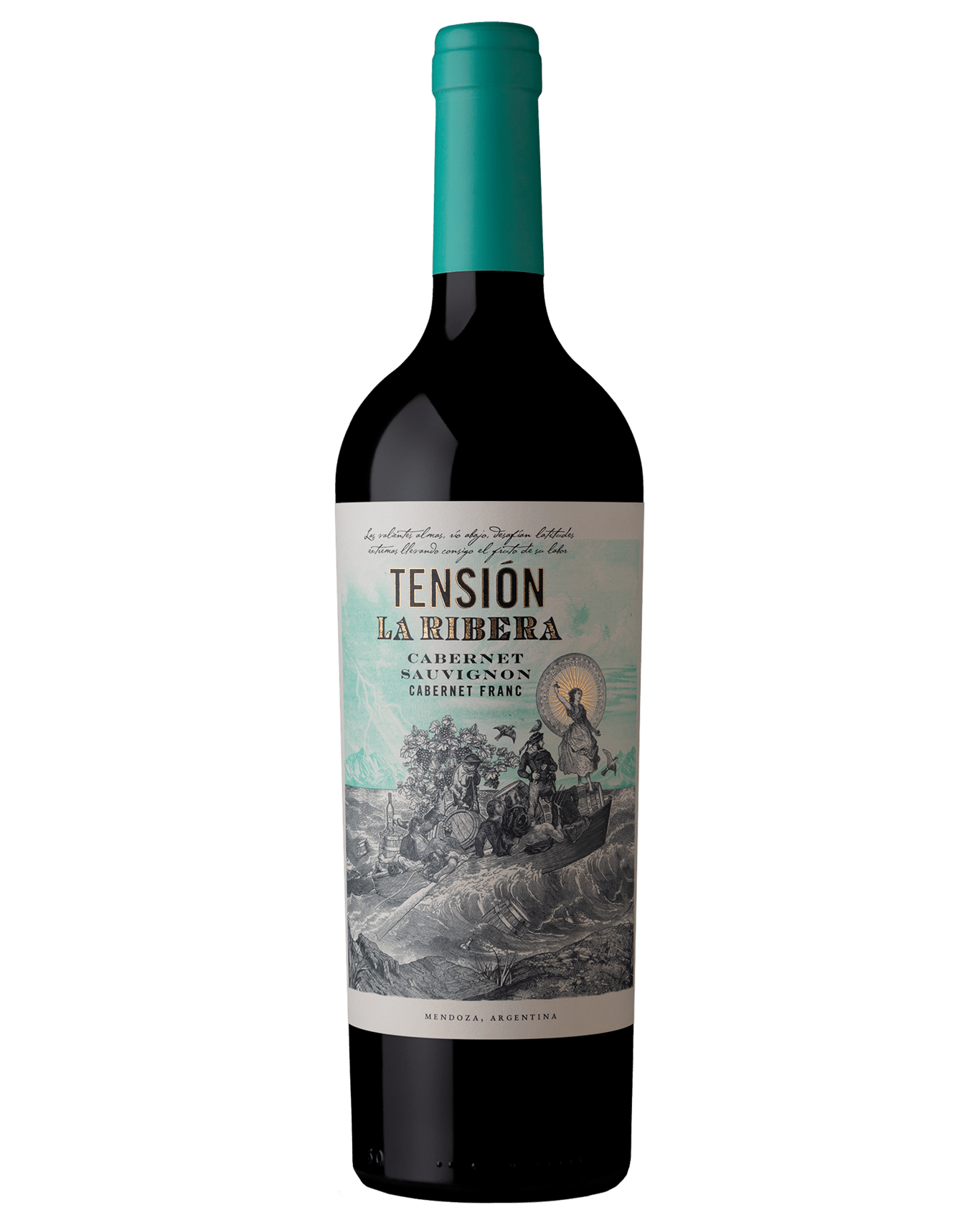
Click image to shop
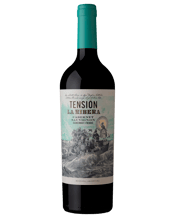
3. Tension La Ribera Cabernet Sauvignon Cabernet Franc
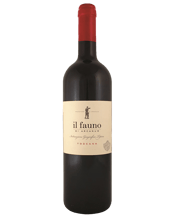
4. Tenuta Di Arceno Il Fauno Di Arcanum Toscana
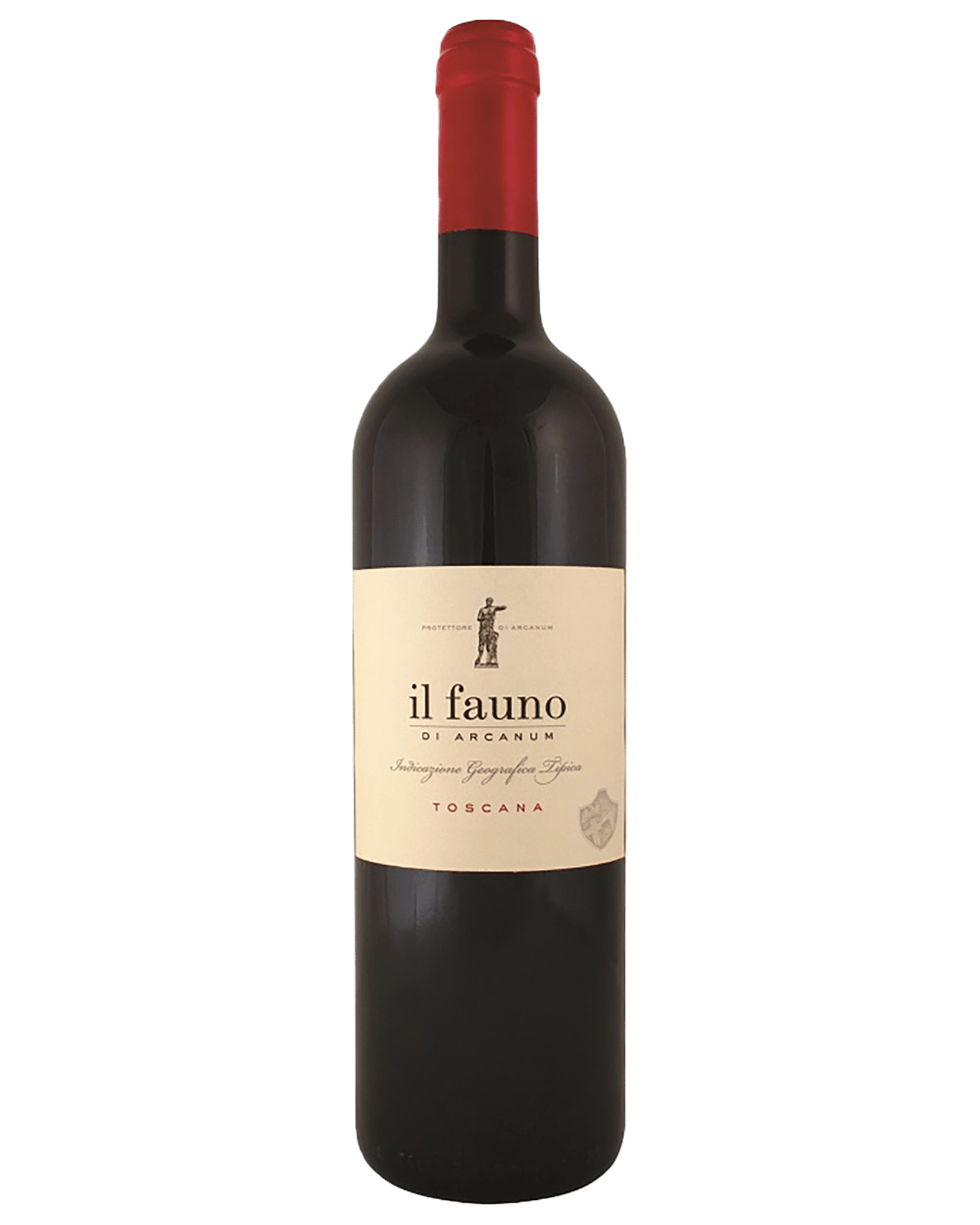
Click image to shop
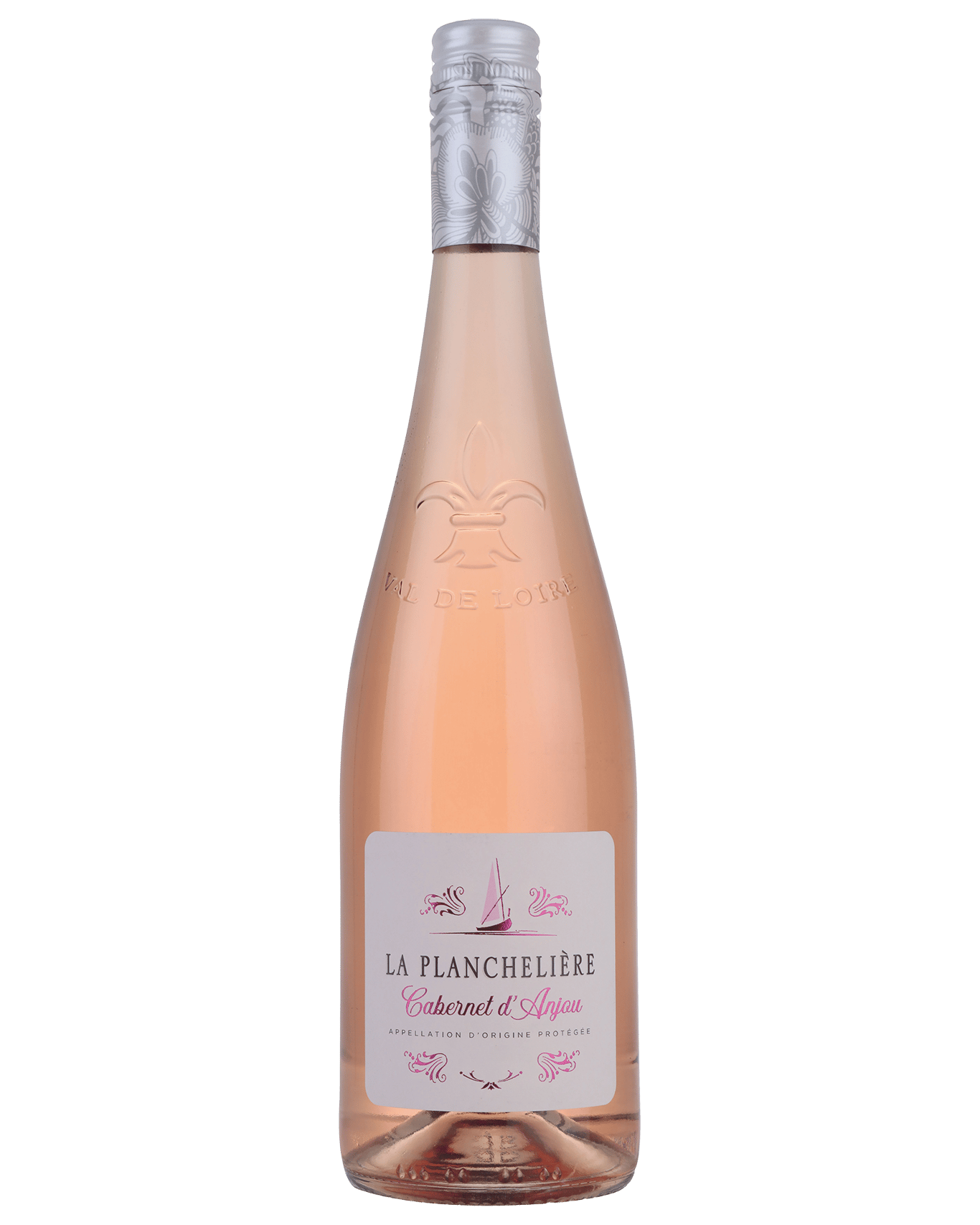
Click image to shop
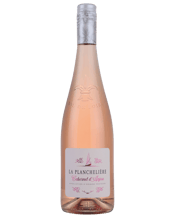
5. La Plancheliere Cabernet d’Anjou
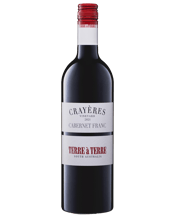
6. Terre a Terre Crayeres Cabernet Franc
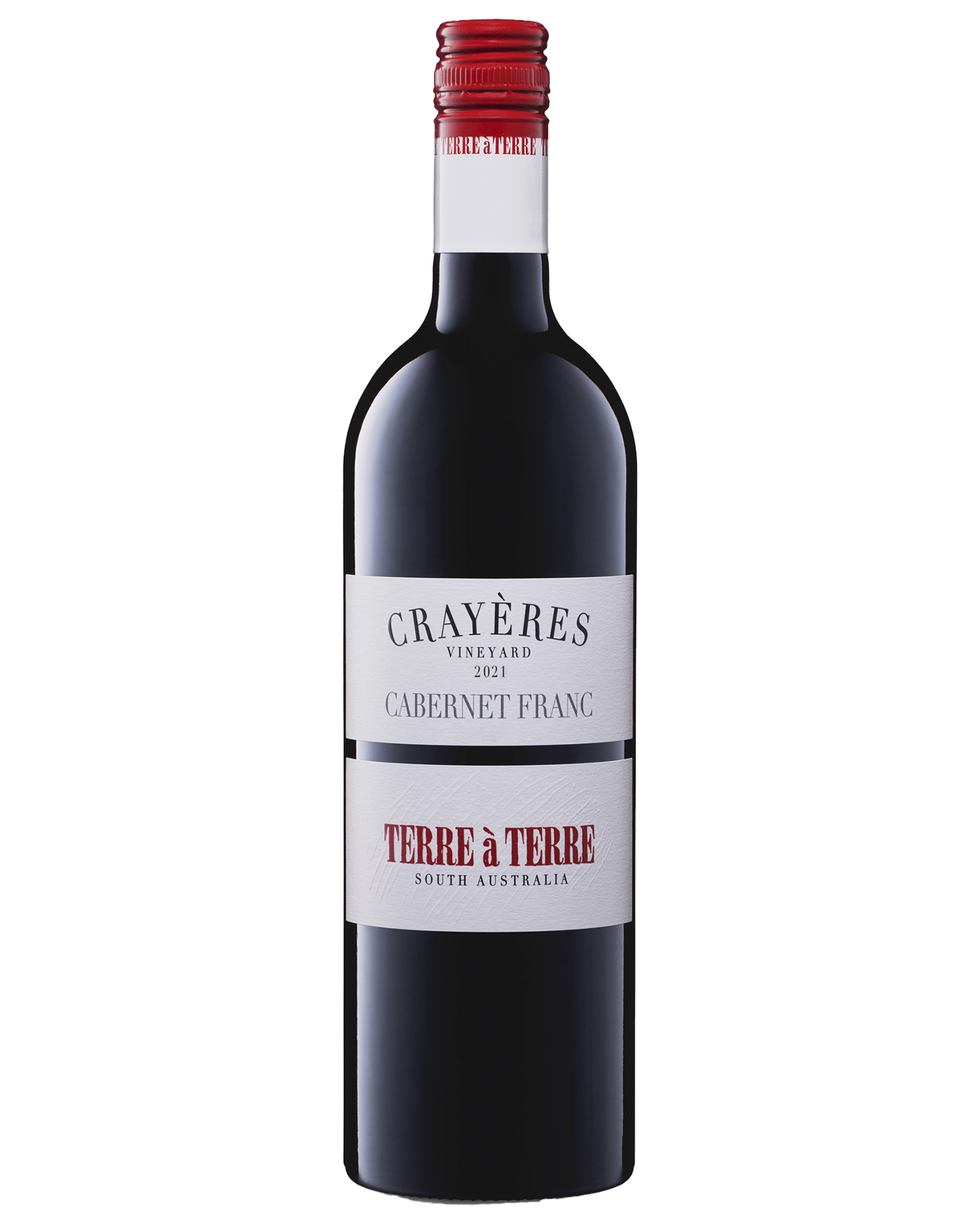
Click image to shop






%20(1)?$dans-daily-web-image$&hei=900)
?$dans-daily-web-image$&fmt=png-alpha&wid=800)