


Need to take a bottle? Here’s how to smash it out of the park – for less than $30.
The dinner party invite has landed. You can’t wait to sit around a big table with your favourite people and catch up with everyone, question where the year is going and compare notes on the shows to stream next. But there’s this feeling you can’t quite shake. Is it nerves? Pressure? An underlying sense of dread? Sounds like a classic case of winexiety.
It can be stresful trying to choose a bottle for a dinner party, especially if you don’t know what’s on the menu or who else will be there. It can also strike when you really want to make a good I-know-my-wine impression, but you don’t have cash to burn. Can you really meet the great-wine brief when you want to spend less than $30?
The short answer is yes – and we’re here to help. So, pinch our ideas, claim them as your own (“Oh, this bottle? It’s just an old fave”) and prepare to be best on ground at the party.
This is a good starting point for choosing your wine. Your host should give you a heads-up on the reason the dinner is taking place – birthday, break-up or just because. If you can gain some intel on what to expect, you’ll better understand what kind of wine to bring. Of course, if you know that your host only ever drinks the one kind of wine, you can always go with that. If nothing else, they’ll be happy, so you can rest easy that you’ll earn your place at the table.
If you can’t get any info about the actual meal, try to find out what sort of approach they’re taking. Is it a slap-dash takeaway situation or a six-course new-cookbook extravaganza? Context can help you nail your wine choice. But if you have absolutely no idea of the dinner party’s vibe, that’s okay, too, because we have six guaranteed winners to choose from below. Each very food-friendly wine will bring you some serious cred as well as that all-important bang for buck.

Click image to shop
1. Sparkling rosé
Okay, our first rule of dinner parties is that you can never go wrong with a bottle of bubbles. Truly. Even if your host isn’t into sparkling wine, or you don’t know if the other guests will be, it still tends to get the party started. Bubbles are excellent on arrival before the snacks come out (and during), and it can be just as great pairing up with dinner, too. Our hot tip? Hand it over chilled so your host knows it’s intended to be cracked open there and then, and they don’t snaffle it for later.
But why sparkling rosé? Quite frankly, we don’t think it gets the glory it deserves. For starters, it’s oh-so pretty and guaranteed to get all the right ‘oohs’ when you pour it out. But beyond that, when you go with a wine like the Jansz Tasmania Sparkling Rosé, it’s just plain delicious. Think strawberries and cream, rose petals and Turkish delight, with a creamy, rich and textured feel with each sip. This is Tassie sparkling at its best.
2. Semillon
If you love food-friendly whites, there’s a chance you already take riesling everywhere you go. We’re big fans, too. But if you’re looking for something a little different and you’re partial to a conversation-starting wine, semillon is a cracking pick. Some guests may not have tried it in a while, while others might suggest they’ll stick with whatever they brought. But give them a little taste anyway and you might just win them over with its vibrancy, citrus flavours and downright likeability.
Straight semillon is a specialty of the Hunter Valley in New South Wales, and Margan is up there with the region’s best. This wine is full of fresh, zesty flavour, with hints of citrus and lemongrass, and a long, crisp finish. If you need more convincing, this is right at home with cheese and other pre-dinner snacks, along with seafood and salads, so it’s an excellent starter wine. Oh, and did we mention it comes in at less than $20?

Click image to shop
Click image to shop
3. Cool-climate shiraz
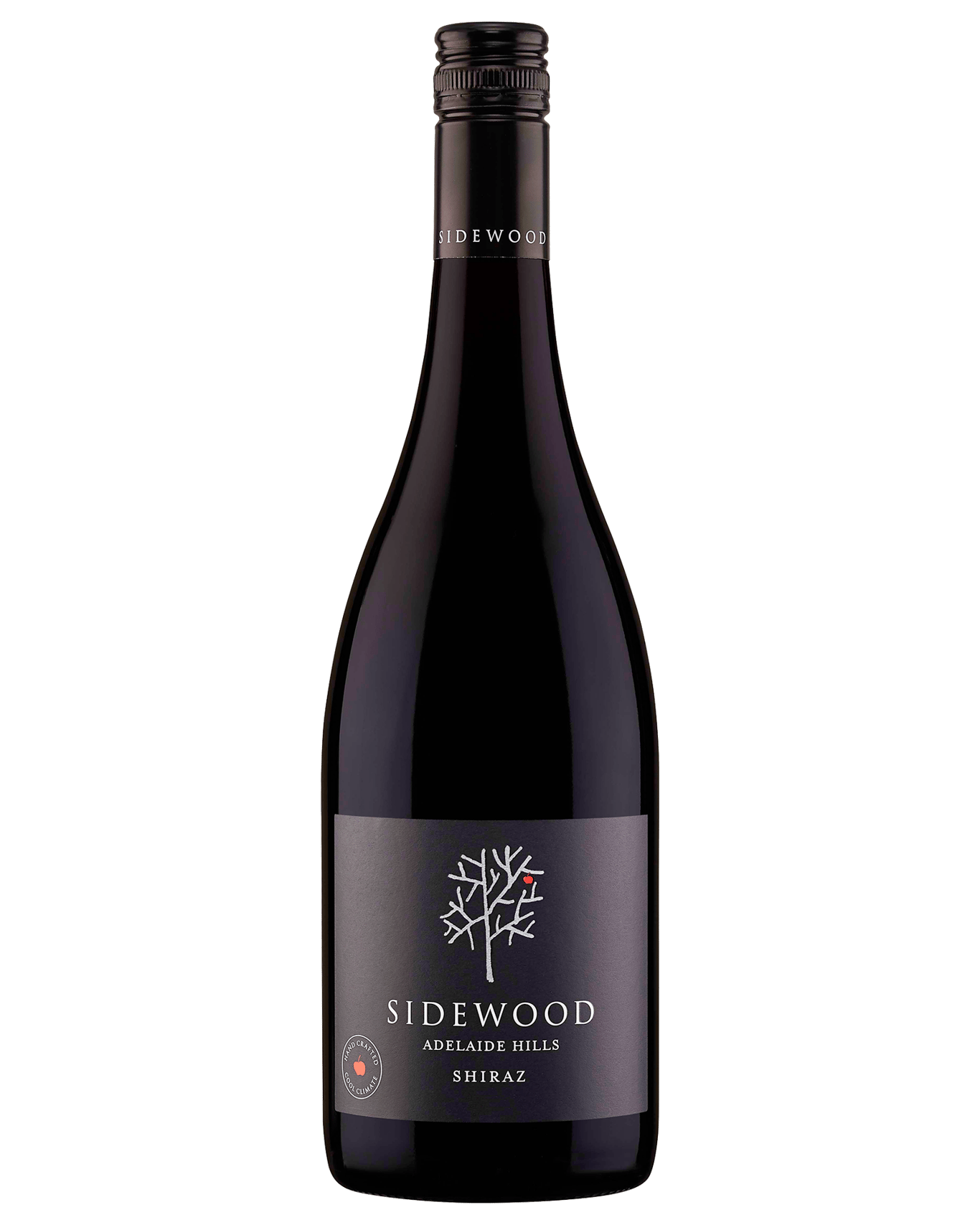
Shiraz will always be a crowd favourite – and for good reason. It’s rich and ripe, with great texture and tannins, and all this makes it an excellent food wine. But there are many who only ever reach for the same type of shiraz, or they might stick to the one region each time. For this reason, we think you can go one better and take a slightly different route via the Adelaide Hills. Cool-climate shiraz is often a little softer and more restrained than other styles, with a core of spice running through it.
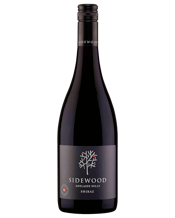
All those traits can be found in the Sidewood Adelaide Hills Shiraz, with its red and dark fruit flavours – cherry, currants and plum included – and hints of cinnamon and spice. This is a wine to sip and savour, and it will continue to change in the glass as you all argue about which couple is actually going to make it on MAFS.
4. Cabernet franc
When you think of lighter, food-friendly reds, you might think of wines like pinot noir. You’d be totally right, by the way – pinot is a perfect choice for a dinner party, but there’s always one person who smugly announces they don’t do light reds. If you don’t feel like having that debate again, turn your attention to cabernet franc. This is another underrated variety that not everyone knows. And depite the name conjuring thoughts of bold cabernet sauvignon, many cab francs are anything but.
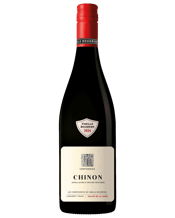
The Famille Bougrier Confidences Chinon Cabernet Franc is from France’s Loire Valley, which also helps you to look like you spent a lot more than $20-ish on it. But we’re about more than optics here, and you get a ripping wine, too. This has red and blue fruit flavours, with some savoury, smoky notes going on. It’s clean, bright and lighter than you might expect, and while it won’t get in the way of the food, it can also stand up to more bolder dishes, too.

Click image to shop
Click image to shop
5. Grenache blends
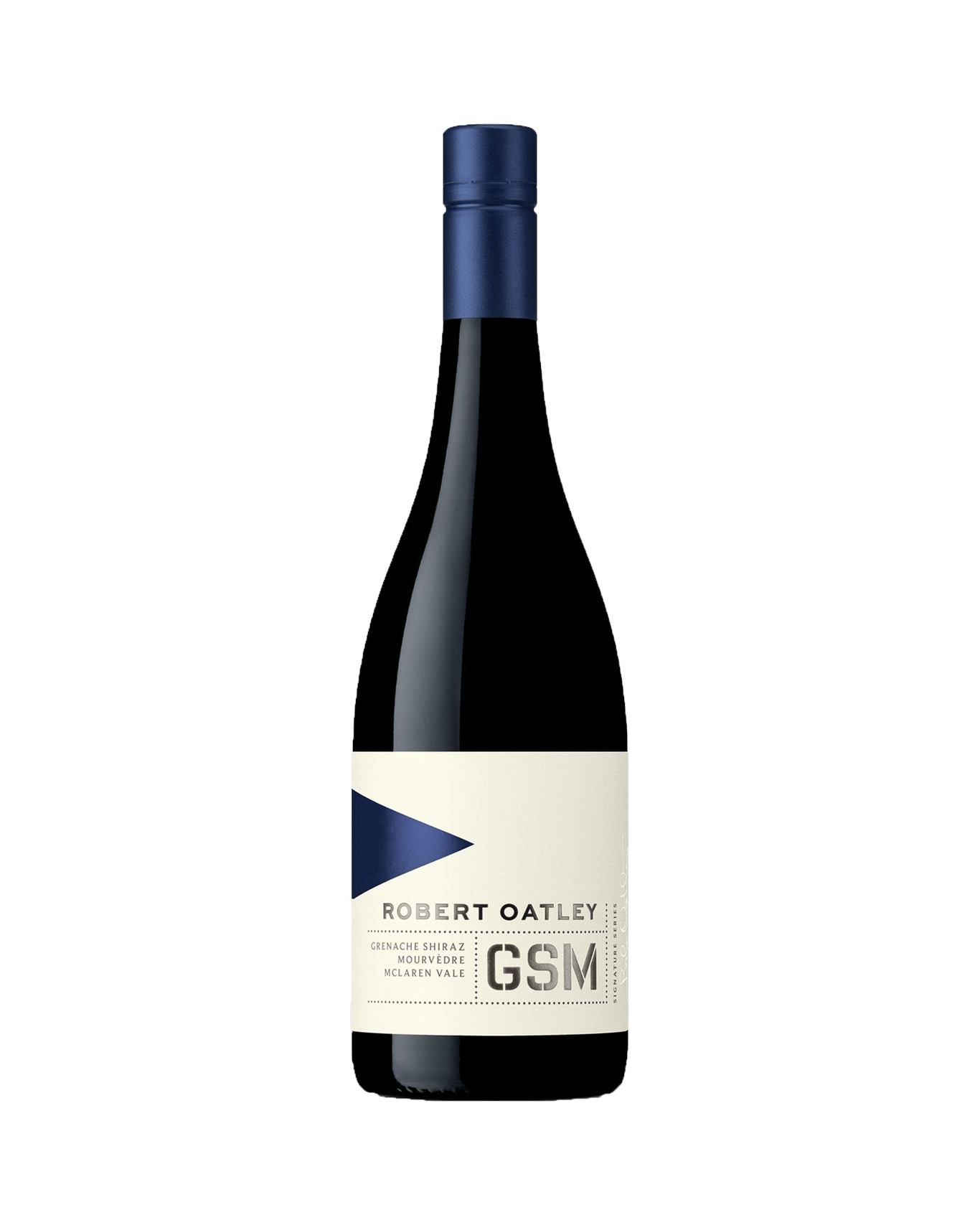
After a safe bet for a dinner party? The grenache blend is definitely for you. We love the grenache shiraz mourvedre for its easy-drinking ways, and the trio of grape varieties in this traditional blend creates a pretty lovely, smooth and balanced wine. The GSM will keep the big-red drinkers happy, and it might just surprise the pinot-or-bust people, too. Put it next to barbecued meats, Middle Eastern spices, curries, dumplings or Chinese-style roast duck, and it sings.
For a wine that ticks all the boxes, the Robert Oatley Signature Series GSM is a great expression from McLaren Vale. Each variety contributes its own distinctive traits – red fruits and musk from grenache, shiraz’s enviable structure, and the gamey notes and minerality of mourvedre. It all comes together in a crowd-pleasing wine that’s crying out to be served at the dinner table.
6. Aussie fortified
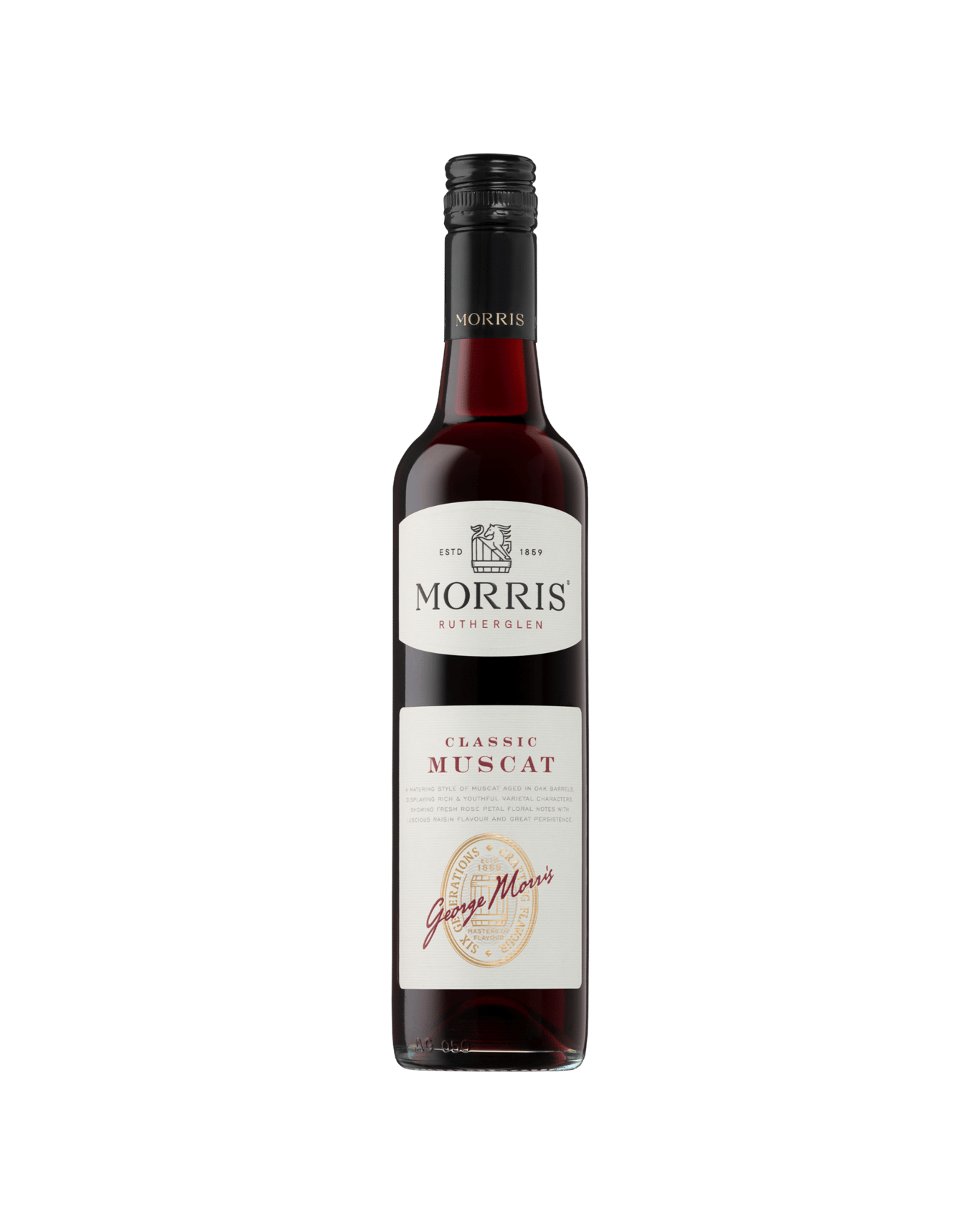
If you’re in charge of the post-dinner drink, you could easily grab a bottle of amaro on your way over and make everyone pretty happy (for our money, it’s Amaro Montenegro on ice with a slice of orange). A Spanish Pedro Ximenez could’ve nailed it, too. But instead, we’re keeping things local and delicious with an Aussie muscat. Because more people should be celebrating these incredible sweet wines that our producers do so well.
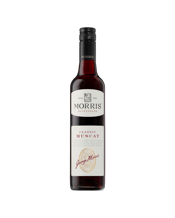
If you’re newer to Australia’s great fortifieds, Morris of Rutherglen is a fantastic place to start, particularly their Classic Muscat. Rich and ripe with raisin flavours, this is going to keep the sweet-tooths happy, but the balance and drive in this complex wine also keeps it lifted and fresh. Morris has won just about every award there is for their fortified wines, so it’s a treat to be able to share a bottle of this calibre for less than $30.
Click image to shop






%20(1)?$dans-daily-web-image$&hei=900)
?$dans-daily-web-image$&fmt=png-alpha&wid=800)