


More and more countries are coming out with killer bubbles to make you think twice about which bottles to pop.
Outside of the gilded bottles and fancy chateaus, it becomes apparent pretty quickly that not all Champagne is created equal. And while there are great sparkling wines coming out of this French region at a range of prices, enthusiasts and casual drinkers have for some time now been looking elsewhere for great-value bubbly that delivers on flavour and elegance without premium Champagne’s price tag.
With demand for bubbles hotter than ever, and the new world of wine more than holding its own in terms of the quality and variety it offers, a new generation of sparkling wines has emerged, sometimes from rather surprising places. This is, of course, a dream for us wine-lovers, but for anyone who already has enough labels to try and decipher at the bottle-o, it can make life all the more confusing.
As such, we’ve put together a quick guide to the wider world of fizz so you can try some new and incredible sparkling wines beyond the French and Aussie staples you’ve probably become accustomed to.
Prosecco is by far the most popular Champagne alternative around (it now outsells Champagne in Australia) thanks to its consistent quality and affordability. There are countless different proseccos to choose from, and the Italians are regarded as being among the best producers of quality sparkling outside the famed French region. Originally from Italy (although other countries have jumped on board, including our own Aussie producers) and generally quicker and cheaper to make than Champagne, it’s a near-universal favourite for its bright fruit flavours, value for money and how well it works in a cocktail.
One to try: Dal Zotto Pucino Prosecco
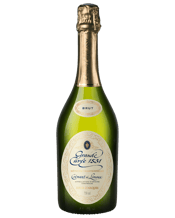
Who said good French sparkling wine has to come out of Champagne? The folks in their chateaus up north don’t want you to know this, but incredible French sparkling, or crémant, can be found in almost all of the country’s major wine regions. Crémant is made using the same techniques as Champagne, but because they don’t have to follow all the same rules, crémant producers can call upon a wider range of grape varieties to deliver incredible complexity, and these wines often come without the huge price tag.
One to try: Sieur d'Arques Cremant de Limoux
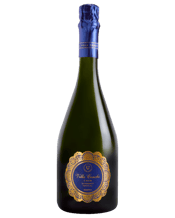
Cava’s reputation changes a bit depending on where you go – it’s most popular in the UK as a cheaper, more approachable alternative to Champagne. And while this is fair in a way (even here in Australia, a bottle generally won’t cost you much more than $20), Cava punches well above its weight in terms of flavour. The warm climate in which it’s grown generally affords it a less acidic, more citrusy profile, and the key grapes in its production include the native parellada, macabeo and xarel-lo.
One to try: Villa Conchi Extra Brut Imperial Cava
The reputation of Austrian and German wines has taken a bruising over the decades, but ever so surely, sekt is one of the styles starting to draw fashionable eyes back towards wines made east of the Rhineland. A catch-all term for sparkling wines made in the two countries, sekt is traditionally made in Germany from riesling grapes and in Austria from grüner veltliner. But because there are no real rules on what can and can’t be given the name, some sekts – like the well-known Henkell – are made with imported grapes. Don’t let that put you off, though – they offer excellent value.
One to try: Henkell Dry-Sec
If you were shook to discover that rainy England even has a wine industry at all, let us blow your mind with the fact that the most acclaimed stuff coming out of Blighty is, in fact, bubbly. Even some of the major players in Champagne are setting up shop in the chalky soils of southern England to produce sparkling wine. They’re taking advantage of the cool climate and warmer summers to produce wines that strike a beautiful balance between buttery mouthfeel and crisp acidity.
English sparkling tends to be on the pricier side, thanks to the simple fact that the country’s wineries are comparatively small, but if you can set aside the old rivalries, it’s well worth a try.
One to try: Nyetimber English Sparkling Classic Cuvee
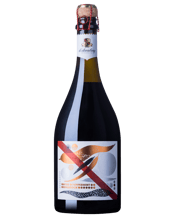
The popularity of sparkling red has ebbed and flowed over the decades, but more winemakers, particularly those in Australian regions where red wine dominates, are adding it to their core ranges for one simple reason: it’s delicious. Typically made with shiraz, turning these wines into sparkling red styles makes the dark fruit flavours of these grapes all the more luxurious.
One to try: d’Arenberg The Peppermint Paddock Sparkling Red
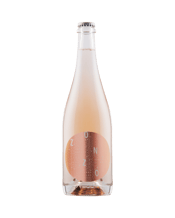
Already a brunch staple, sparkling rosé needs little introduction at this point. Just about every major sparkling producer now makes a bubbly rosé, but with more winemakers embracing the complexity of the style rather than churning out super-sweet takes for the masses, it doesn’t take a lot of hunting to find delicate, mouthwatering bubbles of the pink variety.
One to try: Croser Sparkling Rosé NV
One of the better-known dessert wines, and a decidedly cheeky guilty-pleasure tipple at any other time, the decadently sweet moscato is more synonymous with syrupy richness than bright bubbles, but plenty have found that it comes alive with the addition of a little fizz. Typically fresher than still moscato (though we’d argue there’s plenty to enjoy in this realm, too), with more balanced citrus notes and acidity, it’s a guaranteed crowd-pleaser and a unique way to enjoy the grape if uber-sweet wines aren’t necessarily your thing.
One to try: Zonzo Estate Sparkling Moscato
Sparkling wine’s fleet-footed cousin, piquette is a recently rediscovered style making a name for itself thanks to its easy-sipping nature, restrained fizz and super-low alcohol content – usually around 5% ABV. Thought to be popular back in the day with vineyard workers in France as a refreshing, low-alcohol drink to enjoy with lunch, piquette is essentially made by adding water to the solid grape residues left over from the winemaking process and fermenting the remaining sugars. This leads to a drink (it’s not technically wine) that’s slightly fizzy, deceptively complex and fantastically refreshing.
One to try: Two Timer Sauvignon Blanc Piquette













%20(1)?$dans-daily-web-image$&hei=900)
?$dans-daily-web-image$&fmt=png-alpha&wid=800)