NOW EXPERIENCING:Why you need to change your mind about moscato
Hit List|White Wine|Sparkling|Moscato

Why you need to change your mind about moscato


Read time 3 Mins

Posted 25 Oct 2023

By
Moira Tirtha


Two types of people proudly love moscato – those who are newer to wine and those who know a lot.

Moscato likely made an appearance in the early days of your wine journey. Its playful, sweet flavours have made it a major category for people who really don’t know where to begin with wine. Cheap, pink, sweet and fizzy? It’s a bit of a no-brainer. Unfortunately, the spread of mass-produced, sugar-added moscatos have given this misunderstood wine a rep of being a little bit daggy. However, there’s a whole other side to moscato that’s worth getting to know. And to anyone who hides their love of moscato, we firmly believe there should be no such thing as a guilty pleasure. Wave that flag loud and proud, baby.
What is moscato?

Moscato is an Italian umbrella name for wines made from one of the 200+ varieties of muscat grapes. Moscato as we know it uses moscato bianco grapes, which originate from the revered region of Piedmont in northern Italy. Moscato can be sweet or dry, still or sparkling, and white or blushed in colour. It’s classically served as an aperitif, meaning that it’s typically consumed before a meal to “open the appetite” or as a pairing for desserts. 

A good moscato isn’t cloying on the palate. There’s a difference between fruit-sweetness and sugar sweetness; just think about the difference between how a fresh strawberry feels in your mouth in comparison to an Allen’s red frog. That’s what differentiates the real deal from others that have likely had sugar added. It might seem puerile to describe a wine as having a grape character, but that’s part of what makes moscato special; it’s a flavour you don’t actually see in many wines. Moscato’s strength is in its simplicity, but if you take the time to smell and taste further, you might find notes of honey, elderflower, rosewater, lychee, jasmine, marmalade, kiwi nectar, orange blossom or ripe honeydew. In short, it’s yum!

How is moscato made?Dry styles of moscato are made in the same way as other white wines, however, sweet and spritzy  moscato is often made by interrupting the fermentation process before all the sugar is converted into alcohol. This process also means that moscato is lower in alcohol, usually sitting around 5% or 6% ABV. It’s also this process that gives moscato its pure-fruited profile and a particular kind of fizziness, or frizzante as the Italians call it. This means that it’s only lightly sparkling, which gives the bubbles a softer mouthfeel. Leaving the grape juice on skins while it’s being made can impart a pink to orange hue, but some winemakers might bring out the colour in other ways, like adding a splash of red wine.
The best moscatos to tryIf we’ve convinced you to give moscato another try, here are a few different directions to help you start exploring.
Vietti Moscato d’Asti Cascinetta bottle

Click image to shop

1. Vietti Moscato d’Asti Cascinetta

Moscato d’Asti is the lightly sweet, frizzante style of moscato that many producers around the world try to emulate. From the home of moscato, Piedmont, Vietti’s Moscato D’Asti Cascinetta is a good place to start to understand what great moscato should be like. Floral, fresh and with a touch of candied ginger, this is an energetic aperitif and a great pairing for seafood.

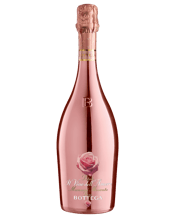
2. Bottega Pink Moscato

Sometimes, the bottle speaks louder than the wine, and if this pink chrome bottle didn’t give it away, this Bottega Pink Moscato is made from premium parcels of moscato bianco grapes from the Veneto region in Italy. Alluvial soil and marine influences give this wine plenty of length, a distinct rose note and a savoury, herbaceous edge.
Bottega Pink Moscato bottle

Click image to shop

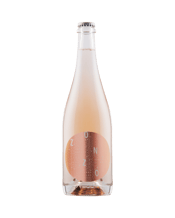
Zonzo Estate Moscato bottle

Click image to shop

3. Zonzo Estate Moscato

An Australian iteration of pink and fizzy moscato, the Zonzo Estate Moscato is approachable yet refined. It’s got plenty of ripe stone fruit and melon characters, which makes it a choice wine to bring to a sunny brunch or picnic.

4. Sooshi Mango Dolce Moscato

Made by three comedians-turned-wine-guys, the Sooshi Mango Dolce Moscato leans towards the tropical fruit flavour spectrum. Passionfruity, lemony and spritzy, it’s the kind of moscato you’d bring out at the end of dinner to breathe life back into the party.
Sooshi Mango Dolce Moscato bottle

Click image to shop

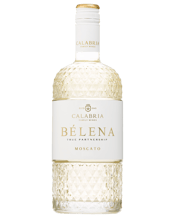
 Belena’s Moscato bottle

Click image to shop

5. Belena’s Moscato
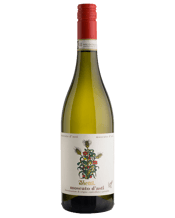
Belena’s Moscato is still and sweet with notes of honeysuckle, marmalade and meyer lemon. Sweet wines love spicy food, so if you’re still unsure about drinking anything that isn’t dry, try it with some Thai food with the chilli dialled up and you might just be converted.