It’s not all butter and oak. The brighter side of chardonnay dials up the mouthwatering acidity for those of us who prefer to mingle with the tingle.
Chardonnay is so much fun, but it’s also a little trickster. Someone could say, “Hey, try this cheeky little chardy I found”, and, like an adults-only blind box, you’d have no idea what you were about to drink. Will it be full-bodied or light as water? Savoury or fruity as hell? Maybe it’ll be mouth-filling and creamy, or tastebud-tingling acidic?
Chardonnay, it turns out, is whatever you want it to be. While we know that buttery chardonnay is back in town (and that’s definitely a good thing), there’s still plenty of room for the crisp, lean and bright chardonnay styles that have stuck with us through the fickle fashions of wine. We call it acid-driven chardonnay, and, if you haven’t met, allow us to introduce you.
Imagine a few drops of vinegar on your tongue or sucking a sour lemon wedge. Bet you’re salivating, right? Feeling the pucker? That little tingle in the back of your cheeks? That’s acidity doing its work. Our perception of acidity in flavour doesn’t line up exactly with science (leave those litmus tests at home, folks) but we know it when we taste it. Sour, tingly, fresh.
When buttery chardonnay was all the rage in the ’80s and ’90s, acidity was out. At its high point (or low point, if you were in the Anything But Chardonnay camp), chardonnay was basically all body, fruit and alcohol with no acidity. Swing around to the opposite end of the spectrum – acidity to the front – and you’re looking at our friend acid-driven chardonnay.
For this zippy style, we’re talking about a completely different beast than the butterballs. This style of chardonnay is often quite light-bodied, with flavours like lemon, green apple and apricot, all rounded out by the zingy sign-off of acidity. Acid-driven chardonnay, though, isn’t just one style – it’s about dialling up that freshness to create balance with the rest of the wine’s flavours and characters, which can be pretty diverse.
Chardonnay is everywhere. It’s the most-planted white wine grape in Australia (we’ve got a cool 21,442 hectares) and the fifth most-planted grape vine in the world. It’s relatively easy to grow, tolerant of different climates and extremely versatile in the hands of winemakers. All told, this is why chardonnay can be a butter bomb from some producers and a light-and-bright wine from others.
In general, the more acid-driven styles of chardy tend to come from cooler climates. These conditions, like those of Tasmania, Oregon in the USA, and Chablis in France, don’t tend to let the grape ripen as much, resulting in less sugar (which means less alcohol) and more acidity. Meanwhile, chardonnay from a warm climate like Barossa or California will have less natural acidity, more body and more alcohol.
Of course, winemakers get a big say in how the finished wine tastes, and acidity is a stylistic element they can tinker with. Chardonnay as a grape also happens to allow the winemaker to really put their own stamp on the wine style, more so than most other grapes. Techniques like malolactic fermentation (which converts the naturally-zippy malic acid to the creamier lactic acid) and the use of oak can all reduce the perception of acidity, while fermenting in stainless steel will reveal a wine’s natural acidity. Winemaking is just shaking hands with nature and agreeing to meet somewhere in the middle.
Acid-driven chardonnay is a dream for food pairings. Acidity is perfect for cutting through rich, fatty or creamy foods (think soft cheese or oily fish) and, like a squeeze of lemon on a piece of salmon, is kind of like a seasoning in itself.
With fewer winemaking additions, these styles of chardonnay can also reveal subtleties that bigger styles may not. The famous chardonnay of Chablis, for instance, is known for being really lean and bright, and underneath that acidity you’ll find flavours like stones and minerals (which are all good things – trust us). It means there’s a spectrum of little flavours in these wines that you can use to come up with your own flavour combos.
Trying out your own pairings is all part of the fun, but if you pair a bright, acid-forward chardonnay with roast pork (particularly those styles with green-apple notes), creamy pasta with plenty of garlic, grilled prawns (or any seafood, really) or a chicken risotto, we think you’re going to have a good time. We also think the following five wines will prove us right.

Click image to shop
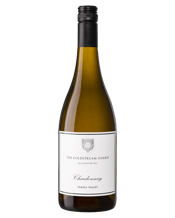
1. The Coldstream Guard Chardonnay
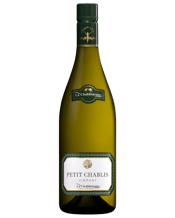
2. La Chablisienne Petit Chablis Vibrant

Click image to shop

Click image to shop
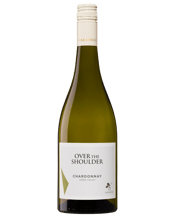
3. Oakridge Over The Shoulder Chardonnay
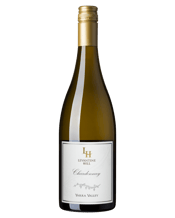
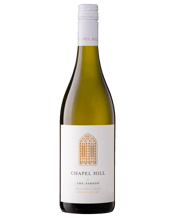
4. Chapel Hill The Parson Chardonnay

Click image to shop

Click image to shop
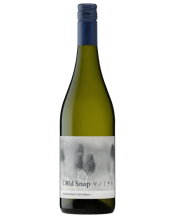
5. Cold Snap Cool Climate Victoria Chardonnay