


Get familiar with the winemaking technique behind those buttery chardys you know and love.
Have you ever knocked back a chardy that reminded you of buttered toast or popcorn straight from the stove? If yes, you’re now one step closer to understanding the ins and outs of malolactic fermentation. If not, you need to get tasting! But first let’s cover the basics.
Malolactic fermentation is a mouthful, but it’s relatively easy to wrap your head around. If you’re keen to learn more about this essential winemaking technique (and be able to contribute an interesting fact or two at your next dinner party), read on.
Malolactic fermentation (AKA malo or mlf) is a winemaking technique. It’s used in both red and whites and results in a richer, creamier wine.
The process is caused by a bacteria that converts malic acid, naturally present in grapes, into lactic acid. You know that extreme tartness you get when you bite into a green apple? That’s malic acid.
Lactic acid, on the other hand, is what you find in things like milk and yoghurt. Perhaps you’ve heard of the lactic acid that builds up in your muscles when you exercise? Or maybe you’ve seen lactic acid listed on your skincare – AHAs anyone?
Lactic acid pops up all over the place, but in wine it’s all about acidity. When a wine undergoes malolactic fermentation (turning malic into lactic) that’s what we’re targeting. So, you’re basically converting harsh, tart acid into soft, creamy acid. Which is a lot nicer to drink!
Still with me? Let’s continue.

Okay, you’ve picked your grapes, you’ve crushed them, and you’ve allowed the juice to ferment.
It’s at this point that malolactic fermentation generally kicks off. It’s funny, they call it fermentation but it's really a conversion, as you’re converting tart acid into creamy acid and there’s no yeast involved. Remember we mentioned earlier it was caused by bacteria? Well, winemakers use a special type of bacteria called Oenococcus oeni (along with a few other Lactobacillus strains). These little guys basically eat the malic acid and lactic acid comes out the other end. The winemaker can either add that bacteria in or rely on bacteria that's already present in the winery. Either way, you know it’s started when you see bubbles forming on the surface of the wine. When the process is complete, the wine is left with a rich, buttery, textural mouthfeel – almost oil-like.
You can stop malo at any time by knocking off the bacteria that causes it. There’s a few ways you can do this, but generally you either filter the wine or add sulphur.
Well, there are no hard and fast rules here, but generally speaking, most reds undergo malo while not all whites do.
When it comes to whites, some winemakers want more tartness, while others don’t. Mostly this decision is based on variety, style and location. With certain aromatic varieties, like riesling, winemakers generally choose to prevent malo to retain the natural acidity in the grape, whereas chardonnay tends to lend itself to a creamier, buttery style. But the world of wine is one of experimentation, so really anything goes.

While malo was discovered in the mid-1800s, it wasn’t until the early to mid-1900s that we really started to understand its benefits.
Some wine regions are colder than others and when you have cooler growing conditions you end up with higher levels of malic acid in your grapes. So, malo is kind of important in these places, because without it the wine in these regions would be too acidic.
It’s also used to stabilise wine before you bottle it. Why? Well if a wine undergoes malo in the bottle it can end up fizzy and cloudy, and no one wants that. FYI – the way that deliciously fizzy, cloudy pet nat is made is different – yeast is responsible there, but that’s another story for another day.
So, in short, malo softens tartness, adds flavour and helps stabilise the wine.

Like fashion, chardy has had a wild ride through the decades. While the 80s gave us big hair, big shoulder pads and outlandish fanny packs, it also gave us big, buttery chardonnays.
These days, we’ve reined our fashion back in, as we have our wines. Chardonnay in Australia tends to be leaner, elegant and more restrained, kinda like our hair. Winemakers are opting for a more hands-off approach, targeting that beautiful natural acidity and fruit-focused edge.
In saying that, there’s regions around the world that still love their wines big and others that fall somewhere in between.
So, we say, why not round up a collection of chardy from around the world and do a horizontal tasting. From Stellenbosch in South AfricaChablis in France, to Napa Valley in the US, to Hawkes Bay in New ZealdnCasablanca Valley in Chile, and Margaret River in Western Australia. Try them side-by-side, and see the impact winemaking techniques, such as malolactic fermentation, have on the finished product. As they say, the best way to learn is to taste.
Not sure where to start? Here’s a roundup of chardys to try at your next dinner party! These drops are big, bold and buttery – (mostly) traditional styles of chardonnay that really show the effects of malo on this particular grape.
- Sebastiani Butterfield Station Chardonnay (Napa Valley, USA)
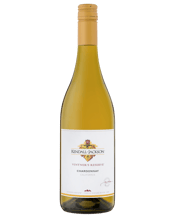
- Kendall-Jackson Vintner’s Reserve Chardonnay (Sonoma County, USA)
- DeMorgenzon Reserve Chardonnay (Stellenbosch, South Africa)
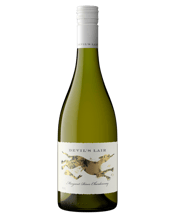
- Devil’s Lair Chardonnay (Margaret River, Australia)
- Scarborough Yellow Label Chardonnay (Hunter Valley, Australia)
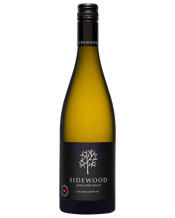
- Sidewood Chardonnay (Adelaide Hills, Australia)
- Church Road Chardonnay (Hawkes Bay, New Zealand)







%20(1)?$dans-daily-web-image$&hei=900)
?$dans-daily-web-image$&fmt=png-alpha&wid=800)