


After decades of being stuck in nana’s liquor cabinet, sweet wines are suddenly back in fashion.

A recent American study into wine sales throughout 2020 found that sales of sweet wine increased by a whopping 40% in just one year. They attributed the huge turnaround to a few different drivers, like COVID lockdowns and changing palates, but the one that stood out the most was that perspectives of sweet wines were changing. A new generation of wine drinkers no longer think of enjoying sweet wines as daggy — they like what they like and they’re comfortable with that.
“There’s definitely now a bit of a more of a modern bent to using dessert wines in a more versatile way. I think the rise of people doing cheese boards, grazing tables, and platters has had an effect — because dessert wines work perfectly with those,” says Samuel Peterson, Wine Merchant from Dan Murphy’s Prahran. Our in-store wine expert has witnessed recent growth in sweet wines first-hand, but he’s also got dessert wine in his blood. Sam’s father used to work for De Bortoli, which makes one of Australia’s most celebrated dessert wines (more on that later), and Sam grew up with an appreciation for sweet wines that he’s happy to share with everyone.
Don’t get us wrong, we’re still pretty far away from dessert wines taking back the crown for the most popular style in Australia. But we are seeing more drinkers enjoying sweeter styles with a new appreciation, especially when it comes to food. “My advice is always to look at them with food,” says Samuel. “Next time you're having a cheese platter, think about a dessert wine instead of the typical sparkling or white wine. Or if you’re eating a dessert course, a dessert wine will balance the food that you're having. A dry, heavy red wine is going to be really bizarre and horrible with something like a sweet dessert.”
Dessert wines come in a variety of styles, sweetness levels, colours, and consistencies. They’re typically enjoyed in a smaller pour size and sipped on, similar to how you’d enjoy a snifter of whisk(e)y. To get a better understanding of dessert wine styles and how to enjoy them, we asked Samuel to run us through some of his favourite sweet wine recommendations.


Turns out, making a wine with rotting fruit can be not just a good thing, but a great thing – as long as you have the right kind of rot. Botrytis or ‘Noble Rot’ is a type of fungus that shrivels and decays wine grapes, which in the right variety and with the right winemaking, can make beautifully sweet and syrupy wines. “Overall you get more dried fruit, caramel, and toffee sort of flavours in botrytis wines. They also tend to be a bit more intense in flavour,” explains Samuel.
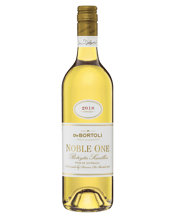
“A good entry point to botrytis wines is the Cookoothama Botrytis Semillon. It’s quite bright, balanced, and has a slight savouriness to it that helps even out the sweetness.” Samuel’s other suggestion is De Bortoli Noble One Botrytis Semillon, often considered a benchmark dessert wine in Australian winemaking. “It’s got a big depth of flavour and you really see classic botrytis characteristics like dried apricot, lemon marmalade and even a bit of beeswax,” he says.
One of the best things about this particular style of sweet wine is how versatile they are when it comes to food matching. They’ll pair well with a range of desserts from fresh fruits, to creamy desserts, and even blue or washed rind cheeses.
‘Tawny’, ‘port’, and ‘tawny port’ — three different names for basically the same thing. All three are used to talk about a popular style of fortified wine. These days we only call something ‘port’ when it’s from a traditional region in Portugal, which means everything else is called a tawny.
When making tawny all of the ageing process occurs in the barrel, meaning any bottle you buy that’s labelled tawny is ready to drink now. “Cockburn’s Fine Tawny Port is a younger, fresher style of tawny port that’s sourced from the traditional Portuguese region,” explains Samuel. “That also means it’s a little more savoury, with flavours like red and black fruit and raisins, but also liquorice and baking spices.”
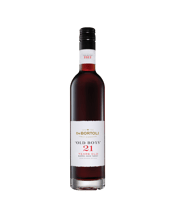
For an option made closer to home he suggests it’s hard to go past De Bortoli Old Boys Barrel Aged 21 Year Old Tawny. “It contains all of the classic tawny flavour characteristics: burnt toffee, coffee, walnuts, raisins, exotic wood, spices, and a hint of biscuit too.” Serve either option alongside nutty, dark chocolate, or coffee flavours to see them really shine.






%20(1)?$dans-daily-web-image$&hei=900)
?$dans-daily-web-image$&fmt=png-alpha&wid=800)