


This distilled spirit is still relatively unknown, but it deserves a spot in your bar cart.
Cachaça is one of the oldest distilled spirits in the Americas, with origins dating back to the early 1500s when Portuguese colonisers first introduced sugarcane to Brazil. As sugar production boomed, plantation workers began fermenting the leftover sugarcane juice – known as garapa – creating a rough, early version of what we now know as cachaça. Distillation techniques, likely influenced by Portuguese aguardente (a grape-based spirit), were refined over time, giving rise to a clearer, more potent liquid. By the 17th century, cachaça had become a staple across colonial Brazil. Cachaça is a big deal in Brazil and in many ways, has shaped the country’s identity and economic fabric.
Once upon a time, this spirit was linked with rebellion, especially when colonial powers tried to ban it in favour of European imports like grappa and brandy. Despite (or maybe because of) these efforts, cachaça’s popularity soared, becoming a symbol of resistance, pride and homegrown ingenuity. Either way, we’re glad it’s stood the test of time.

Cachaça, rum and rhum agricole are all distilled from sugarcane, but each is made differently. Cachaça can only be produced in Brazil using fresh cane juice that’s fermented and single-distilled. Rum, on the other hand, can be made anywhere and is typically distilled from molasses, a cooked byproduct of sugar production, to a much higher alcohol percentage. Unlike rum, cachaça retains the grassy, slightly sweet freshness of the raw cane.
Rhum agricole is closer to cachaça, made from fresh sugarcane juice rather than molasses, on the French island of Martinique. There, it’s protected by a controlled appellation under EU law, requiring the juice to come from cane grown in 20 designated regions. While rhum agricole can technically be made elsewhere, only Martinique-made versions using local cane meet the official standard.
When it comes to flavour, cachaça, rum, and rhum agricole are distinctly different. Cachaça and rhum agricole often have a livelier, fruitier nose, while rum leans spicier and more caramelised. Cachaça is generally softer than rhum agricole and has a cleaner profile than most molasses-based rums.
Kicking it off with a classic cachaça cocktail, and arguably the best-known, the Caipirinha is made by muddling lime and sugar, then adding cachaça and ice – ideally using large cubes to preserve its bold, aromatic flavour.
Think of this cocktail as Brazil’s answer to the Martini – a bold yet balanced tipple made with cachaça, sweet vermouth and cynar (pictured). Dating back to 1950s São Paulo, this cocktail was originally served as a dive-bar shot. It’s easy to make, only has three ingredients and is the perfect introduction to the magic of cachaça.
This is a creamy, tropical twist on a Caipirinha. It blends cachaça, fresh watermelon, evaporated milk, coconut water and agave syrup into a milkshake-like sip that’s equal parts fun and summer appropriate (especially when watermelons are in season).
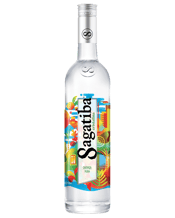
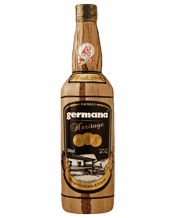
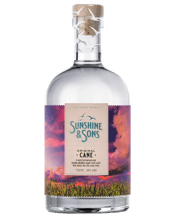


%20(1)?$dans-daily-web-image$&hei=900)
?$dans-daily-web-image$&fmt=png-alpha&wid=800)