


An easy guide to these three key types of tequila (and beyond).

Click image to shop
What are blanco and joven tequila?
As you may have guessed from the name, this is a white or clear tequila. Often called silver (or ‘plata’ in Spanish), blanco is unaged and characterised by its extremely bright, green, earthy and sometimes crunchy flavours. It’s as pure as it gets. It also tends to be the cheapest style of tequila. For that reason, it’s a great ingredient in cocktails and mixers – especially drinks that highlight its herby, fresh and citrusy notes, like a Paloma or Marg. But that’s not to say you can’t sip a blanco. There are some extra boujee variations that deserve to be sat in a glass and slowly appreciated.
You might also come across bottles labelled ‘joven’ (which means ‘young’ in Spanish) or ‘gold’. These are a blend of blanco and a small amount of aged tequila.
Try: For mixing cocktails, Jose Cuervo Especial Silver is an affordable classic for a reason. It’s a great basic to keep in your home bar for when Margarita time comes a-calling. For an upmarket sipper, the double-distilled Doña Celia Blanco Tequila is made with 100% premium blue agave and comes in a gorgeous ceramic bottle in the shape of the classic Mexican Catrina – a symbolic skeleton figure tied to Dia de Los Muertos (Day of the Dead).
What is reposado tequila?
Now onto the aged tequilas. Reposado (which means ‘rested’) spends two months to a year ageing in steel or oak whiskey barrels (sometimes American, sometimes French oak). It gives the tequila a beautiful caramel colour while imparting some of those oaky, woody characteristics to the drink. However, it still retains those green, bright agave flavours that are synonymous with tequila. It’s super delicious, affordable and very versatile – great for adding extra complexity to your cocktails or, again, sipped slowly from a glass.
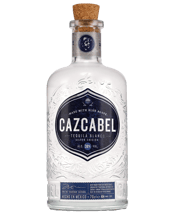
Try: Straight from the highlands of Jalisco (a Mexican state along the coast) comes Cazcabel Reposado Tequila. Aged between nine and 11 months, it tastes like punchy cinnamon, tempered with silky caramel and vanilla.

Click image to shop

Click image to shop
What are añejo and extra añejo tequila?
If there was ever a sipping tequila, this is it. Añejo simply translates to ‘old’ or ‘vintage’ and this bad boy requires one to three years of ageing in barrels no bigger than 600 litres, otherwise, it just ain’t añejo. The result is a damn delicious liquor that is tan-coloured and super complex. Those extra few years in the barrel give it a character similar to what you might find in whiskey or Scotch. Intriguing vanillas and spice are all parcelled up in that same crunchy agave we know and love. Because its flavour profile is on a similar plane, you can absolutely sub in añejo tequila for a tasty Mexican twist on classic whiskey cocktails. It’s out of this world in a Rob Roy, so definitely give that a go.
If you really want to get fancy, there’s also a category called extra añejo, which is the mack-daddy of agave spirits. These decadent drops are aged for a minimum of three years – again, in barrels no larger than 600 litres. Some distillers age theirs for much longer, resulting in some seriously intense flavours and colours – from reddish honeys to deep browns.
Try: Solento Organic Añejo Tequila spends 18 months in American oak barrels, giving this drop a buttery, smooth taste and maple-like sweetness, balanced by layers of earthy cinnamon.
What about flavoured tequila?
Beyond the standard categories of tequila, you’ll find many other takes on this incredibly versatile spirit. Some great examples are all the flavoured tequilas and tequila liqueurs you’ll discover if you spend some time in this aisle. Flavours can range from anything like spices and fruits to chocolate. Think back to Patrón and their ever-popular XO Café, who broke hearts when they announced it was being discontinued – this was a flavoured tequila product. Or what about a chilli-infused tequila for your Spicy Margs? Now that’s a great idea.
Try: Our current fave – and one that seems to be rousing a bit of attention – is Cazcabel Coconut Tequila Liqueur. It’s made with Jalisco coconuts and blanco tequila to create the most beautiful summery drink. Mix it up in a cocktail or add it to soda with a wedge of lime.

Click image to shop

Click image to shop
What is cristalino?
A fairly new member of the tequila family, cristalino (‘crystalline’ in Spanish) is quickly gaining traction. Invented by Don Julio in 2011, it’s basically an aged tequila – either reposado, añejo, or extra añejo – that’s been filtered through charcoal to make it as clear as a blanco, while retaining that super-rich flavour of an aged tequila. Because of this, bartenders love to use it in Martini-type cocktails and it’s become one of the fastest growing variants in Mexico and abroad.
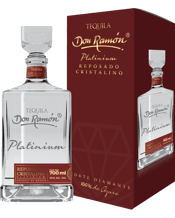
Try: If this sounds right up your alley, have a go at the Tequila Don Ramón Platinum Reposado Cristalino. It pours a bright straw colour and smells of wood, vanilla and spice – smooth and silky on the palate.



%20(1)?$dans-daily-web-image$&hei=900)
?$dans-daily-web-image$&fmt=png-alpha&wid=800)