


How to keep your booze tasting good and know when it’s past its prime.
We’ve all been guilty of it: cracking open a bottle of wine with the best of intentions, just a glass or two on a Tuesday night, then putting the lid back on and popping it into the fridge, thinking we’ll finish it tomorrow. Fast-forward six days, and that poor bottle is still sitting there, forgotten, sitting behind a half-used jar of pesto and a furry bag of spinach. You pour a splash, just to check, and it’s gone full dust. Tart, flat, vaguely vinegary. Too far gone even for that midweek spag bol.
It’s the quiet heartbreak of the half-drunk bottle. We mourn our fallen wines, curse our memory, and vow (again) to label things better. But all is not lost. Because some alcohol can handle a little forgetting. We’re talking about spirits, my friends. And to a lesser (but still sippable) extent, some (read that again: some) liqueurs and more.
Now, we’re not saying to leave that dusty bottle of limoncello out like it’s a house plant – that’s a fool’s errand and a waste of good booze. But if you’ve ever stared at your bar cart and wondered, ‘Is this still drinkable?’, we’ve got you. Scroll on for your no-nonsense guide to what lasts, what doesn’t, and what should’ve been tipped out three birthdays ago.
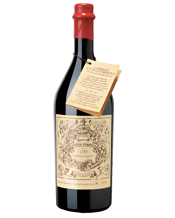
We’ve said it before and we’ll say it again, vermouth is not a forever drink. Sure, it’ll outlast your sad, half-drunk bottle of savvy b lurking in the fridge, but don’t get cocky. Even if you’re being a good little home bartender and storing it properly (read: in the fridge, always), it’ll still turn sour within a month of opening. That’s just the way the wine-based cookie crumbles.
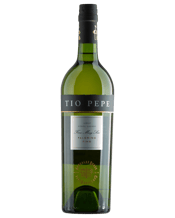
The same rules apply to all your wine-adjacent faves – we’re looking at you, amari and aperitifs with grape bases. As for the drier fortifieds like fino sherry or dry madeira? You’ve got a little less wiggle room. A week or two, tops, before things start to go sideways. After that, it’s less “elegant aperitif” and more “why does this juice taste like egg?” Moral of the story: treat your fortifieds like produce, not pantry staples.
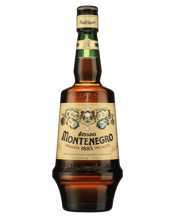
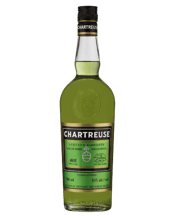
Ah, the sugar sisters. Where would our favourite cocktails be without them? We’ll tell you – either very, very strong, or deeply bland. Or both, which, frankly, is worse. Liqueurs and amari are the unsung heroes of the back bar – the ones adding depth, sweetness, bitterness and pizzazz to your drinks. But let’s be real: unless you’re running a bootleg speakeasy out of your backyard (in which case, can we come?), you’re probably not flying through that bottle of Chartreuse anytime soon (unless you’re this writer’s dad).
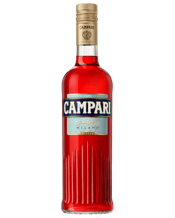
These bottles tend to linger, and honestly, that’s ideal. It turns out sugar plus alcohol is a bit of a hero mix. Sugar keeps the nasties (microbes) at bay, and alcohol steps in as a flavour stabiliser. It’s a win-win for the casual Campari dabblers and once-a-month amaro sippers.
Now, we’re not saying they never grow old (this isn’t Neverland) because flavours will shift over time, especially if your storage habits are, let’s say, casual. But if you’re treating your bottles right, keeping them cool, in a dark spot, sealed tight, standing upright (yes, that matters, more on this in a sec), then you’re golden. Or at the very least, still delicious after six to 18 months’ time (sometimes more). If you’re not doing that, well, those Negronis are going to start tasting a little weird. The best thing you can do for your cocktails, even if you’ve done everything right and that liqueur is pushing two or three years old, is to try it before chucking it in a cocktail. Muddling a spirit with a sub-par liqueur, particularly if it’s a nice spirit, is a punishable offence, and we’d hate to see you go to cocktail jail. So, before you mix, give that liqueur a little sip. If it tastes off, it probably is. If it doesn’t? Carry on, bartender.
One last thing about your sugary friends: depending on how sweet they are, you might notice the rim of the bottle starts to get a little crystallised. This can mess with the seal, which means your liquid isn’t being preserved properly. Here’s the easy fix: grab a hand towel, dampen it with hot water, and give the bottle rim a gentle wipe down. Dry it off, pop the lid back on tight, and you’re good to go. Easy peasy, no sugar left behind.
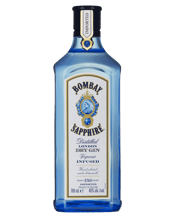
So, what about the heavy hitters? The big bosses of the booze world – the tequilas, rums, vodkas, gins, whiskies and even baijius. Do they ever go off, or are they basically immortal, like horseshoe crabs or classic tailoring and neutral tones? Here’s the skinny: if it’s over 40% ABV and still sealed, it’s basically indestructible. Spirits at that level don’t spoil. You’d have to work really hard to mess them up. Like, leave-them-in-a-hot-car-during-Australian-summer hard, and even then, it’d probably be okay (but don’t try it).
If the bottle’s been opened? Still fairly sturdy – we’re talking borderline non-perishable, but not completely bulletproof. The flavour of your spirit will change after a few years, and much quicker if you aren’t treating them right. We touched on it above, but keep your spirits away from direct sunlight, in a place where the temperature doesn’t swing around like a mood ring and, this is key, upright. Not sideways, not upside down, not “this’ll do”. Why? If your bottle’s sealed with a cork (or anything cork-adjacent), the high-proof alcohol can start to eat away at the material. The result? A weird, cork-flavoured spirit. And that is icky.
If you’re doing all the right things, then you’re in the clear. Your spirits should be okay to drink almost indefinitely. You might notice a little flavour drift after two or three years, but nothing tragic.
Is it the same across the board? Give or take. Some folks swear that clear spirits like vodka, blanco tequila, white rum and a few gins hold their flavour longer. Meanwhile, darker aged spirits, like Scotch, bourbon and even Cognac, which have already gone through their fair share of oxidation in the barrel, can be a little more sensitive once opened, but the jury’s out.
Spirits under 40% ABV, like flavoured whiskies and sloe gins, tend to have a slightly shorter shelf life. But how short? Well, it depends. Sugar plays a big role here: more sugar usually means better preservation. So, if in doubt? Give it a sniff, then a tiny taste. You’ll know pretty quickly if it’s gone from flavoured to funky. That said, spirits spoiling is rare.
And while we’re on the topic, if your once-clear spirit starts looking a bit cloudy or thick, don’t panic. Some gins do this thanks to botanical residue, while other spirits might show cloudiness due to fusel oils in the batch. Totally normal. Just give it a gentle shake (emphasis on gentle), have a smell, and, if all seems fine – a quick sip. You’ll absolutely be able to smell or taste if something’s gone off. Again, it’s rare, but trust your senses. Not sure what tastes you're looking for? Think flabby mouthfeels or a rubbery quality to the smell. You'll spot it.
Soju and sake, the quiet rebels of the alcohol world, don’t quite follow the same rules as spirits, wines or liqueurs, so here’s what you need to know.
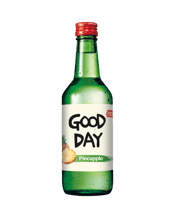
Soju holds up pretty well once opened; it isn't quite vodka-level immortal, but still impressive. You’re generally good for about six months to a year before the flavour starts to shift. It won’t necessarily go bad, but it might start tasting a little off-brand. As always, storage matters so follow our guidelines mentioned above. And before you go pouring it into cocktails or sharing it around? Again, give it a little sniff and a small taste to be sure.
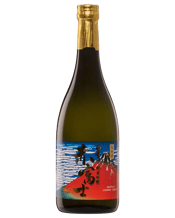
Sake, on the other hand, is a bit more delicate. Most should be consumed within a year of the bottling date, sealed or not. That’s when the producers intended it to shine. After that, the flavour might start to wander. There are exceptions (hello, aged sakes), but if it’s not labelled as one, don’t assume it’ll age gracefully. And please, for the love of fermented rice, read the bottle before storing it. Sake wastage? Straight-to-jail offence.



%20(1)?$dans-daily-web-image$&hei=900)
?$dans-daily-web-image$&fmt=png-alpha&wid=800)