


We chat with hospo legend and amaro connoisseur David Spanton about this delicious and often-overlooked liquor.

But wait a second, Campari and Aperol are bitter Italian liquors too. Are they classed as amari? Good question.
“If you ask an Italian, they would say: definitely not! As there are no real laws governing amaro like there is in, say, Scotch whisky, bourbon and vermouth, it all comes down to the ritual of drinking and this is something I agree with,” says David.
“You have bitter brands that are more designed for aperitif drinking and they tend to be lighter in colour, with less sugar and more designed for mixing. We call these bitter aperitifs.”
David explains that you can usually separate these bitter aperitifs from amari with a simple colour check. If they’re looking more like a sunset, lighter and bolder in colour, they are a bitter aperitif. Amari on the other hand, are generally darker in colour, have higher sugar levels and work well as digestives. These are known as “bittersweet liqueurs.”
“I simply say to people that light sunset colours are the time for aperitifs, and the darker night colours are amari and work well as digestives. Of course you can drink them any time, but this is a helpful way of understanding what style you are having.”
Yep, 100% – even Nonno's bathtub (we’re joking, don’t drink bathtub amaro). Currently, there are no rules governing what you can and can’t do, or where you can make amari. This means there are fab amari being produced all over the world, even here in Australia.
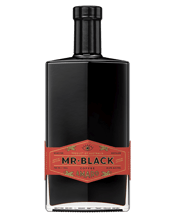
“Locally, Mr Black Amaro from the Central Coast of NSW is amazing with its bitter coffee profile,” David suggests.“In Adelaide, you have Never Never Juniper Amaro, which combines their gin experience along with some alpine bitter botanicals.”
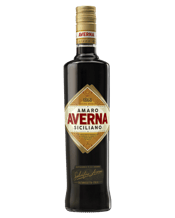
If you’re keen to give amari a whirl, but want to start with something a little softer, David suggests Averna. “Averna from Sicily is a great gateway amaro, thanks to its light bitterness and bitter orange profile”
Piccolo Bar uses it in their classic Amaro Sour, a delicious twist on the Whiskey Sour, using 45mL of Averna and 15ml of Maker’s Mark instead of just whiskey. If you get the chance to visit David at Piccolo Bar, this is a must-try.


“I would like to see a return to more bitterness in many of the old-school brands. Over the years they have toned down the bitterness, especially for the American market that isn’t accustomed to bitterness as much as Europeans,” David says. He also suggests trying some vintage (pre-1980) amari to taste the difference in flavour for yourself.
“Secondly, I think with amari we need to get away from them being served at room temp and start serving them over ice with citrus zest. Getting away from the old-school warm and neat – it isn’t inviting for a younger cocktail drinker.”
So, it’s all about how you choose to serve it. For example, did you know you can make a banging Piña Colada with amaro as an ingredient? “It’s true! Try a nice alpine amari like Braulio.”
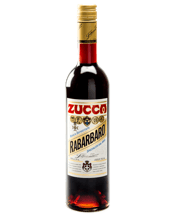
“I love so many of them, but the one I’m drinking right now is Zucca Rabarbaro, with its rhubarb bitterness and campfire smokiness, over ice and with orange zest. It pairs very well with a nice cigar.”
What a boss. Go ahead and start planning your trip to Piccolo Bar next time you’re in town to have the big man explain it to you himself.



%20(1)?$dans-daily-web-image$&hei=900)
?$dans-daily-web-image$&fmt=png-alpha&wid=800)