


How to nail the pairings at your next pasta night.
In Italy, you take a drink with your meal, just as you’d put olive oil with your focaccia. It’s a given. If you’re eating, you’re sitting, and if you’re sitting, why not have a glass while you’re at it? We agree.
As a culture with wining and dining at its core, Italian drink pairings are relatively intuitive. But when it comes to picking the wines or other drinks, there’s a lot to digest (oh yeah, there are digestivos, too). So, what are the best drinks to pair with Italian food? Where do you start when you sit down to that steaming pizza? You start with your hands – forget the knife and fork – and here. You start here!
We’re starting just as you would an Italian meal – with snacks. Aperitivo is the name of the pre-meal drink, but it’s become more of a general sweeping title to include a snack, too, because that’s how it comes in Italy. Loosely meaning “opening the stomach”, these little bites are usually a selection of olives, cheese, cured meats and grissini or taralli – those small bready, biscuity rounds. But the mission here is salt, so whatever snacks work for you, you’re halfway there.
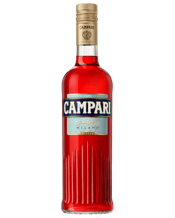
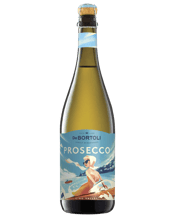
Now, to the all-important drinks. These should be bittersweet. The recognisable classics are the Negroni and Aperol Spritz, but you can push this out to the Americano (the spritzy cousin of the Negroni), anything with Campari, or make it French with a Lillet Blanc Spritz or Suze on the rocks. An orange slice garnish will keep these drinks sweet yet tart, while also giving you something else to chew on. And if you want to share a wine with friends, do as the Italians do and pop a prosecco.
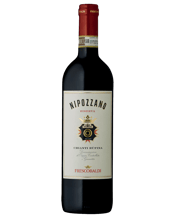
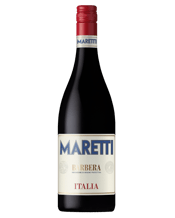
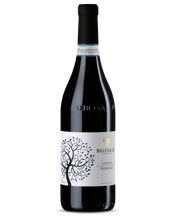
This wouldn’t be proper Italian coverage without getting into pasta and wine. Side-stepping the issue of pasta shapes (please yourself), we’re going straight to the sauces, and here, it’s about matching intensity. As a general rule of thumb, pair red sauces – think amatriciana, bolognese, puttanesca and more – with medium-bodied reds. Keep it Italian with sangiovese, that crowd-pleasing variety that hails from Tuscany – the award-winning Frescobaldi Nipozzano Riserva is a hot favourite. Barbera and nebbiolo, which are from further north in Italy’s Piedmont region, also work well. Look to Maretti Barbera (it’s a bargain) or the BelColle Langhe Nebbiolo. Otherwise, go further afield with your favourite red – merlot, shiraz, tempranillo, grenache are all very pasta-friendly red wines.
When it comes to cheesy or creamy pastas, you can get away with a little more choice, with fuller-bodied whites especially well suited. Try viognier, oakier chardonnays and semillon – we’re reaching for the Krondorf Founders View Chardonnay. If you prefer reds, head for light-bodied styles such as gamay or pinot noir (we love the Robert Oatley Signature Series Pinot Noir). As the sauces get lighter, so should the wines. For that reason, seafood and vegetable sauces prefer light whites to avoid overtaking the delicate flavours – this is a moment for the likes of pinot grigio or fiano and even dry rosés. And if wine isn’t on your mood board, cheesy, veggie and seafood sauces are also a good fit for tequila-based cocktails – a Margarita or even a Paloma is right at home next to a seafood marinara.
Treat pizza similar to pasta – not in the boil-and-toss kind of way, but in terms of considering what’s served on top. Red-sauce bases and meaty toppings like pepperoni, sausage and prosciutto are at their best with medium-bodied reds – sangiovese again comes into its own here, or reach for a spiced syrah to match that cured-meaty edge. We think a savoury, cool-climate shiraz is the way to go here, like the Sidewood Adelaide Hills Shiraz.
Rather a beer? Perfect – they go hand-in-hand as the bready pizza bases match with beer’s yeasty traits. IPAs are a great pick as this hoppy, bitter style does a great job of cutting through rich toppings. If you’re having an extra-cheesy pizza (quattro formaggi, per favore), go for a pilsner for its light, refreshing flavours that balance all that creamy, fatty goodness. Extra veggies? Good shout, keep it light with your favourite pale lager.
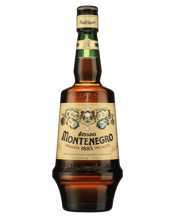
If you start with an aperitivo, you finish with a digestivo. It just makes sense, especially with Italy’s delicious choice of traditional liqueurs. Bitter herb-based drinks know how to help things go down, so amaro can be a perfect pick. Classically served neat or chilled, sip these alongside – or once you’ve polished off – dessert. If you are newer to amaro, start with Amaro Montenegro; this one is more approachable than others, and be sure to serve it on ice with a slice of orange.
If bitter isn't really your thing, look to limoncello, amaretto or even grappa. What are they pairing with? The classics. You’ve heard of them – tiramisu, panna cotta, cannoli and semifreddo, to name just four. Or simply pour your favourite liqueur over ice-cream with hot coffee and call it dessert. Or affogato – because that’s what it is.














%20(1)?$dans-daily-web-image$&hei=900)
?$dans-daily-web-image$&fmt=png-alpha&wid=800)