


From outcast to icon – how this refreshing style changed the game and captured the hearts of beer-lovers everywhere.
The history of the pilsner is a great story – the kind you’d enjoy hearing from a hardened brewer as you gather around the table, glasses in hand. Taking its name from the Czech Republic town of Pilsen, pilsner (or pilsener) was created in the early 1800s, but its first incarnation wasn’t anything like the beer we know and love today. Back then, ales were prone to spoilage, often leaving brewers with dark, sludgy and rather disgusting beers. The story goes that in 1838, after a particularly bad batch, brewers dumped 30 kegs of the stuff in front of city hall. This rallying cry worked, and a new state-of-the-art brewery was built to make sure this never happened again – Pilsner Urquell – which is still in operation today.
The other masterstroke at the time was hiring a new head brewer from Bavaria, Josef Groll, who knew exactly what he was doing. After combining pale malt, Saaz hops, soft water and bottom-fermenting yeast – as well as extended ‘lagering’ in a cool cellar – the new pilsner was born. On October 5, 1842, Josef and the other brewers of Pilsen had their first taste of the new beer, unlike any they (or the rest of the world) had ever enjoyed. Straw-coloured, clear and refreshing, the meeting of Bavarian skills with Czech ingredients had created a welcome change from the dark and heavy ales they’d endured until then. While the Brits had pioneered the use of pale malt decades earlier, something these brewers took inspiration from, pilsner was entirely unique. News spread, so did the beer, and pilsners went on to revolutionise the drinking world. These days, it’s easily one of the world’s most popular beer styles.
Now’s probably a good time to remember that nearly all beers fall into one of two overarching categories: either ale or lager. All pilsners are lagers, but not all lagers are pilsners. Like many lagers, pilsners are known for their striking golden glow and crisp, clean, and refreshing taste, but you’ll also often notice a more pronounced hoppy edge.
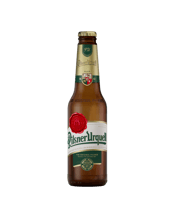
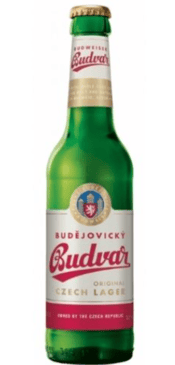
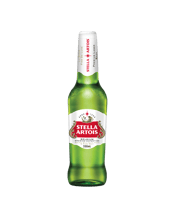
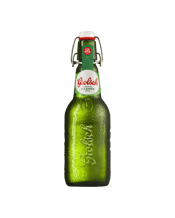
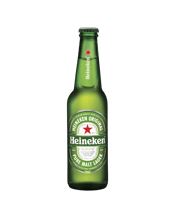
There’s been a slow and gradual evolution of the style, so all pilsners won’t necessarily taste the same, especially as they are now made right around the world. Bohemian pilsners, or those from the Czech Republic like Pilsner Urquell and Budvar, have a deliciously crisp, pronounced hoppy edge. German pilsners (often called German pils) dial the bitterness down, but they’re still nicely refreshing. Dutch and Belgian pilsners (like Stella Artois, Grolsch and Heineken) tend to be slightly sweeter in style, while American pilsners often include 25% rice or corn, which gives them a crisp yet slightly sweet finish.
Compared to something like a pale ale that can nudge 7% ABV or higher, most pilsners tend to sit in a far more manageable range – around 4.5% to 5%. This is one of the reasons why they’re prized for their refreshing qualities, as they don’t tend to be as rich and full flavoured as a lot of other styles.
Pilsner really created the mould for what modern drinkers most commonly associate with lager, and breweries across the globe have added all sorts of spins. But if you want to encounter a true pilsner, try one from the Czech Republic. It might just blow your mind.
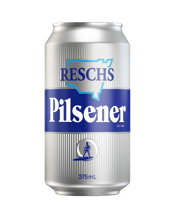
Here in Australia, pilsners tend to strike a nice balance between all these extremes, and are arguably similar in style to German pils. One of our favourites is the good old silver bullet, AKA Reschs. It’s not too bitter and not too sweet, making it the perfect choice for warmer weather and relaxed outdoor dining. Speaking of which, pilsner goes great with a wide range of foods – think barbecued meats, bratwurst, pretzels, mussels, charcuterie boards and cheeses.
Hot tip: lagers are enjoying a bit of a renaissance at the moment with craft brewers turning out a whole new range of flavourful styles, so keep an eye out for even more different and exciting pilsners still to come.
Pilsners are a drink best served cold, around 3.5 to 7 degrees celsius. As for glassware? That’s easy. There’s a style of glass called a ‘pilsner glass’ made specifically for the occasion. It’s tall and slim with a slightly wider mouth, and it’s designed to get the best out of your pour and retain the foamy head.
When it comes to pouring the perfect beer, Germans favour a multi-stage pour. Start by aiming the beer at the centre of the glass, pouring until you have one-third beer and two-thirds foam. Let that foam fade a little, then start pouring again until the head reaches the rim. One more short rest, then top it off and you’re done. This palaver takes several minutes, and while it does result in more open flavours, softer bubbles and plenty of foam, you can absolutely just pour it into any old glass, any way you like.


%20(1)?$dans-daily-web-image$&hei=900)
?$dans-daily-web-image$&fmt=png-alpha&wid=800)