

?$dans-daily-web-image$&wid=1400)
With a little practice, you can make nailing a textbook pour look like second nature.
Unless you’ve had your skills forged in the pressure-cooker environment behind the bar of a busy pub, it’s likely you think you’re a better pourer of beer than you actually are (no shade, me too). After all, it’s a skill that relies on the dual senses of sight and feel to properly master, and that’s before you even begin to factor in variables like the type of beer you’re pouring, and what it’s coming out of.
But there are ways to give yourself an advantage and guarantee that subtle, impressed nod from your mate that can only come from achieving a perfect pour, every time. After all, there are few finer feelings in life.
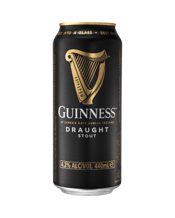
The right method for pouring a beer depends, first and foremost, on the type of beer you’re pouring. Pouring a Guinness, or any other less carbonated beer, requires an entirely different technique from pouring a lager or a pale ale. But there are a few universal rules to abide by, regardless of the fluid coming out of the tap, tinny or bottle:
- Use a clean glass
Beer can be a surprisingly reactive beverage, and whatever soap, drink or grime that might be resting on the walls of an old or used glass can put you at a disadvantage straight away.
- Pour at an angle
The quickest way to guarantee an excess of foam is to pour beer into a flat glass. Pouring with the glass held at a 45-degree angle minimises the disturbance of the liquid as it hits the glass, allowing it to settle more gently and generate that controlled head you want.
- Pour closer
Likewise, holding your glass close to the source of the beer minimises the distance it has to travel, ensuring it doesn’t foam up too much as it hits your vessel of choice.
The reliable, bog standard pour from a tap, perfected over time by countless bartenders across Australia, is a surprisingly simple one. Hold your glass at 45 degrees, and keep it steady with the tap close to the walls of the glass until it’s around two-thirds full. At this stage, you can bring the glass back to level as the final third fills at whichever speed you like: faster will generate a slightly larger head, perfect for lagers, while a slower movement will minimise head, as sometimes preferred by ale drinkers.
Of course, all this comes with the caveat that you’re always going to be somewhat limited by just how carbonated the beer is. Lagers, for instance, will always generate more head than something like a dark ale. That’s just the way they’re made.


%20(1)?$dans-daily-web-image$&hei=900)
?$dans-daily-web-image$&fmt=png-alpha&wid=800)