


A simple answer to the question you’re afraid to ask the bartender.
All beers can be categorised as either a lager or an ale. Simple, right? The difference between the two, from a technical perspective at least, is the yeast used during fermentation; lagers use a bottom-fermenting yeast, which works best in colder temperatures, while ales are produced with a top-fermenting yeast that thrives in warmer temperatures.
While this may seem like a simple difference, the effect that the two yeasts have on the final product is huge. And for most beer drinkers, it's not the type of yeast that defines a beer, but rather the taste, smell and look of what's in the glass. So let's find out more about what we're drinking and why it tastes the way it does.
The term ‘lager’ comes from the German word ‘lagern’, which means to store. The beer was born from a happy accident, the result of Bavarian brewers storing their barrels of ale in ice caves over the summer. The combination of cooler temperatures and a longer fermentation period meant a different yeast – the lager yeast – could thrive.
The beer that emerged from these ice caves was very different to the traditional ales that had been brewed for centuries, and though the brewers had no idea about the science behind what was happening, they knew that they were onto a good thing. They were helped by Bavaria’s 1516 beer purity law, which dictated, among other things, that beer could not be brewed in the summer. Consequently, all Bavarian beers were stored in cool environments and became lager, and to this day, lager is the highest-selling beer in the world.
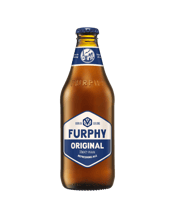
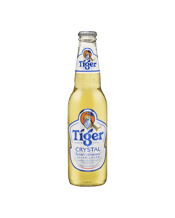
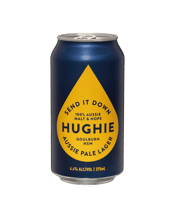
Think of an internationally recognised beer and odds are it’s a lager. It’s a style of beer that’s light and crisp without any one flavour dominating the overall taste, and much-loved Aussie classics like VB, Melbourne Bitter and Carlton Draught all fall into this category, as do Heineken, Asahi, Corona and plenty more.
These are all examples of pale lagers, but there are several other styles that fall under the lager classification. The most famous would be Czech pilsners, though there are also a number of German beers including dunkels (dark lagers), schwarzbier, bocks and amber lagers. While these beers differ from one another, they all tend to be less bitter than ales, with more mellow flavours and a clean, crisp taste.
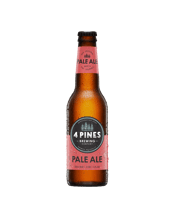
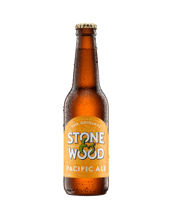
Ales have been brewed for centuries and the term encapsulates an extremely diverse range of beers. Compared to lagers, they’re generally fruitier, fuller-bodied and have more prominent notes of hops, bringing a bitterness to the beer. They also come in a mind-bogglingly wide variety of flavours and styles, including pale ales, IPAs, sour beers, stouts, porters and wheat beers, to name a few.
The yeast that’s used to brew ale has a high tolerance to alcohol, which is why a lot of ales tends to have a higher alcohol content than lagers. And with so much potential, in terms of flavour, style and strength, it’s no wonder that ales have become the darling of the craft-beer scene worldwide. They are far more complex than lagers and give brewers plenty of room to experiment with some pretty out-there flavours, like peanut butter stouts or watermelon sours. There are no rules, only winners.




%20(1)?$dans-daily-web-image$&hei=900)
?$dans-daily-web-image$&fmt=png-alpha&wid=800)