


From Champagne to pastis – everything you need to know about these delicious pre-meal tipples.
If you’ve ever been to France, Spain or Italy (or even just know a French, Spanish or Italian person), you would’ve heard the word apéritif (French) or aperitivo (Spanish/Italian). But what is it? An apéritif is as simple as a bevvy before a meal. So if you’ve had a Champers or a Negroni prior to eating, or alongside some hors d'oeuvres, you’ve (maybe unknowingly) taken part in aperitivo hour – a super popular tradition all around Europe, which has really only hit bigtime on Aussie shores in recent years.
It’s a tiny bit like the Italian/Spanish/French version of a happy hour, but less about a race for cheaper drink prices and more about prepping the body and mind for dinner. France, Italy and Spain all have their own way of doing it. For the Italians, it starts every day at sunset, and it’s mostly about the Negroni, aromatised wine and, of course, the Aperol Spritz – plus nibbles, AKA cicchetti. For the French, a bit of pastis or some Champagne. And the Spanish love a glass of cold vermouth or Manzanilla sherry, alongside a loaded gilda (pickled guindilla peppers, white anchovies, and green olives on a toothpick).


An apéritif (as opposed to a digestif) is a drink consumed before a meal, designed specifically to prepare your stomach for food and stimulate your appetite. Which makes sense, since the word ‘apéritif’ derives from the Latin word ‘aperire’, meaning ‘to open’.
Though the name and the first use of the word are inherently French, apéritifs have been around for yonks – the Ancient Egyptians were particularly fond of the practice.
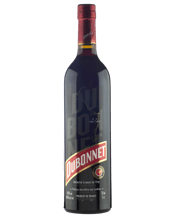
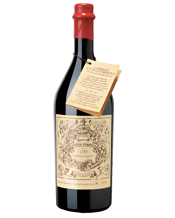
Its origins date back to at least the 5th century, but it wasn’t until many years later in 19th-century Europe that the apéritif was made into an art form. In Italy, it began with Antonio Carpano’s invention of modern vermouth in Turin. In France, it started when chemist Joseph Dubonnet brewed up his namesake special blend of quinine, herbs and wine (Dubonnet is still very much around today). While it was intended as a medicinal remedy to prevent malaria in French soldiers, the chemist’s wife had other plans. She enjoyed the tipple so much she shared it with all her friends, and from there the drink caught on. Before long, everyone was digging it.
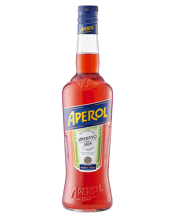
While Italian aperitivi (its plural form) like Campari and Aperol are familiar names to many Australians (particularly Negroni and Spritz fans), French aromatised wines and liqueurs have flown a little lower under the radar. However, with the rising popularity of local vermouth and venues such as Restaurant Hubert, Bar Margaux and La Buvette showcasing everything wonderful about French drinking culture, more apéritifs are receiving the spotlight they deserve.
Unlike almost all other alcoholic drinks, apéritifs are more defined by when they’re consumed rather than how they’re produced – which makes it a category with a lot of grey area. That said, because it’s designed to stimulate your appetite, there are a couple of characteristics that tie this ragtag group together. Keep the below in mind when ordering or making one, though it’s really up to your imagination.
Bone dry, baby
For an apéritif to actually work it needs to be dry or bittersweet. Too much sugar in your drink stifles the appetite, which is pretty much the opposite of what you’re after. A bit of tartness or fizziness doesn’t go astray either – both do a fabulous job of stimulating saliva production.
Get low (ABV)
Apéritifs are generally low in alcohol content, and for good reason. Big spirits like whisky tend to suppress your appetite, which, again, is the opposite of what you want. But don’t rule them out entirely. Instead, opt for a whisky highball with plenty of soda or a gin and tonic.
Herbs, herbs and more herbs
Many apéritifs are flavoured with herbs, roots and barks – such as wormwood, anise, licorice, or cinchona – to give them their signature bitter flavour. That said, not all apéritifs are herby, and not all herby beverages are apéritifs. As we said, it’s an elusive category.


There’s a vast array of apéritifs in the big wide world, and literally hundreds of ways to serve them, but they can mostly be divided into two categories; wine-based and spirit-based (some even fit into both – here’s looking at you, Negroni).
Wine-based apéritifs
These can be further divided into aromatised wines – things such as vermouth (you might have come across brands like Cinzano) – and fortified wines (those with no added flavouring, such as sherry – but not the sweet stuff, such as port). Aromatised wines are flavoured with herbs, spices and roots, much like those found in Dubonnet, and include fruit wines such as sangria. Then there’s also wine itself – dry, effervescent whites, for example prosecco, make for common apéritifs.
Spirit-based apéritifs
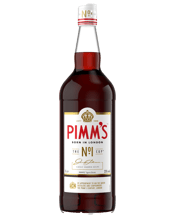
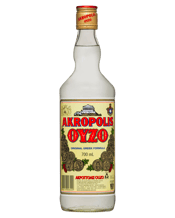
Falling into this category are the wonderful ‘bittersweet liqueurs’, again flavoured with a mix of herbs, roots and spices. In France, the leading apéritif is pastis, which is flavoured with anise, licorice, and fennel, amongst other things. In Greece, ouzos like Akroplis are popular anise-flavoured apéritifs. In Britain, you’ll find gin-based apéritifs, the most famous of which is Pimms.
Other
Of course, there are plenty of other options when it comes to apéritif o’clock. Certain beers and ciders make for brilliant pre-meal lubricants. And of course, there’s a wealth of cocktails to fill this space, too.
To help you narrow down your list of apéritifs to try, here are a few of our absolute faves. Before tucking into your next meal, consider ordering (or making) one of the below apéritifs to get your stomach in the mood:
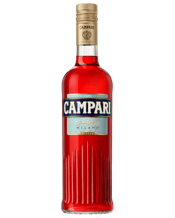
Campari – the bittersweet and fragrant cornerstone of Italy’s aperitivo culture and a crucial component in numerous cocktails (including the Negroni and Americano).
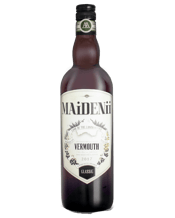
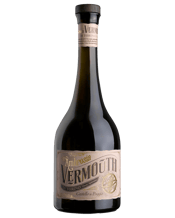
Vermouth – there are millions of vermouths just waiting to be tried, new and old. For an apéritif, go with a dry vermouth. We love it with a splash of soda – super light and easy to make, it’s the perfect start to any meal.
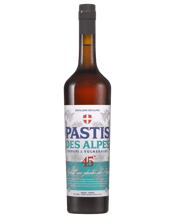
Anise spirits – not everyone’s cup of tea, but definitely worth a go anyway. We suggest checking out the French pastis or Greek ouzo. Remember to drink with plenty of ice and mix with a soda or tonic.
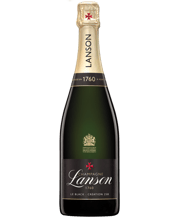
Champagne – the OG apéritif. Enough said.
A dry sherry – the emphasis here is dry, so try a fino sherry or a dry manzanilla.
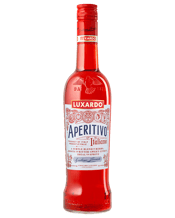
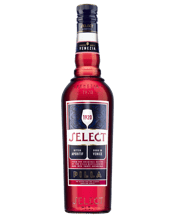
Aperol – a spritz can be made with nearly any apéritif, but our fave is definitely an Aperol Spritz. Just go easy on the Aperol, okay? Unless you like your spritzes super bitter.
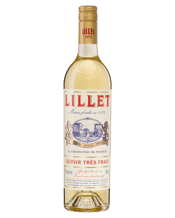
Lillet – another French, wine-based apéritif, Lillet comes in various styles – most notably white and rosé. You’ll see this in many a cocktail description at your favourite bars, but why not try it at home? Sip cold with a slice of orange.






%20(1)?$dans-daily-web-image$&hei=900)
?$dans-daily-web-image$&fmt=png-alpha&wid=800)