


Because nothing says “I’ve got my life together” like serving a digestif after dinner.
Much like most things in the world of booze, digestifs have been around for centuries. But narrowing down exactly what a digestif is can be confusing. It may seem like any old spirit can be classified as a digestif, with the category including everything from herbal liqueurs, brandy and sherry to vermouth, tequila, whisky and more. Let us unpack digestifs for you, but they’re really not scary. In fact, they’re an easy way to convince your mates you know what you’re doing when it comes to food and drink.
Aside from being generally high in alcohol (although not always), the common theme may lie in how they’re served – post-meal, neat, perhaps over ice. Believed to settle the stomach and aid digestion after eating, these drinks are for sipping and savouring.
These are not hard-and-fast rules, though, according to David Collins of Charred Kitchen & Bar in Orange, New South Wales. As the head sommelier who created their winning Best Digestifs List in the 2022 Australian Wine List of the Year Awards, we’re inclined to believe him, too. “We have a saying at the top end of whisky service – the best way for people to drink it is however they enjoy it,” David says. “We’re not here to be pretentious and say, ‘You can’t put Coke with it!’”
If your previous experiences with the likes of Jägermeister and tequila have been a little less than sophisticated, you’re in for a treat. And although there might not be any scientific evidence to support the effect digestifs have on digestion, there’s no doubt they taste great after you’ve had four helpings of pasta.
The broad-ranging drinks within this category were actually first used for all sorts of medicinal purposes. These days, though, digestifs – or digestivos, as they’re known in Italy – are commonly served after a meal to help the digestive process. For anyone new to bitter, herbal liqueurs – just one type of digestif – that first sip might make it easy to believe they were once medicinal as some can be a tad cough syrup-esque in flavour. The benefits may not be scientifically proven, but that doesn’t matter when digestifs are so deliciously diverse. Sweet or bitter, intense or mild, there’s a tipple for every taste.
The origins behind digestifs extend right across Europe. Monks in France were into it in the 1700s, while Italy’s famed amari go back even further to ancient Roman times. The ancient Greeks were mad for them, too. As these various distilled tonics made their way into pharmacies and medical hands, more people got a taste for them and their benefits, and by the 1800s, they were commonly served up after a big meal to help ease any indulgence-induced discomfort.
Australia has been slower to embrace digestifs, but that’s changed in recent years. The role of top bars and restaurants in that rise can’t be overlooked, from benchmark Italian venues and other fine-diners showcasing after-dinner drinks. Throw in some overseas travel to places where apéritifs and digestifs are part of everyday life, and us Aussies are seeing the light.

Great question. Think of the apéritif and digestif as the bookends of a meal. An apéritif serves to stimulate your appetite and prime the palate for an upcoming meal, while the digestif helps settle the stomach once that meal has finished.
There’s certainly examples that break the mould, but apéritifs are typically lower in alcohol, bitter or dry-tasting with the occasional hit of sweetness. This is deliberate as high-alcohol drinks can dull your taste buds and sugary drinks can reduce your appetite for savoury foods, exactly the opposite of what apéritifs are trying to do. And apéritifs are usually (though not always) consumed as mixed drinks – the Negroni is a classic example – rather than straight up.
On the flipside, digestifs are even more bitter and generally stronger in flavour and alcohol content. Amari fall into this category, but so do plenty of other drinks. There’s actually a lot of overlap in flavours – things like anise, orange and gentian are regularly found in both – but digestifs can often be much sweeter, richer denser drinks, usually designed for sipping on their own.
The alcoholic beverages that make up the digestif family are possibly the most diverse of all booze categories. Here, you’ll find liqueurs at all ends of the spectrum – from thick, dark and anise-flavoured to super-sweet and creamy – sitting comfortably alongside top-shelf whiskies, as well as Cognac, mezcal and grappa. In short, if you can’t find a digestif to your taste, keep looking, it’s out there.
Italy’s bittersweet amari are some of the best-known and loved of all digestifs, with a vast range of dark, herbal liqueurs within this one style. To make amari, botanicals such as roots, spices, herbs, citrus and even vegetables get macerated in a base alcohol, then mixed with sugar and aged in casks or bottles, so the results vary wildly. Some amari have in-your-face levels of bitterness, while others are much more subtle. For an ideal introduction to amari, David of Charred suggests trying Montenegro, which is a little sweeter than others. “It’s a good starting point as it’s pretty safe, but it’s still really lovely,” he says.
Even if you’ve already had your dessert fix, it never hurts to really round off the occasion with one of these indulgent sweet liqueurs.
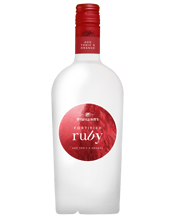
- McWilliam’s Ruby Tawny: Sweet, fortifieds are made for late-night sipping, and tawnies – or ports, if they’re from Portugal – are among the best. This newly released Aussie example is fruity and not too sweet, with a balanced finish.
- Barbadillo Pedro Ximenez: This famed Spanish sherry style is one of the great nightcaps, and this expression is thick, dark and sweet. It’s even better chilled, too.
- Chateau Du Breuil Fine Calvados: French fruit brandy (only those from Normandy can be labelled Calvados) is a traditional way to cleanse the palate. Made from apples, this is smooth and rich with a refreshing hint of fruit flavours.
- Delord XO Bas-Armagnac 10 Years Old: Brandy may not be overtly sweet, but this Armagnac, with its spiced, oak aromas, and plum and raisin flavours, is a subtle-sweet, sophisticated brandy that demands a try.
For fans of all things Italian
Italians do food extremely well, so it only makes sense that they have a firm handle on some of the best digestifs – or digestivos – out there.
- Fernet-Branca: This cult-hero intense amaro is a blend of almost 30 botanicals. It may not be for the faint-hearted, but it’s a bartender favourite and an excellent example in all its dark, bitter glory.
- Lucano Amaro: If you’re newer to amari, this expression might be a better place to start. It’s been made since 1894, with its secret recipe handed down for generations within the Vena family.
- Luxardo Limoncello: Limoncello infuses alcohol with lemon peels, pulp and juice to create a vibrant, bright liqueur, as seen with this one that’s been made since 1905. Sip it straight and chilled, or on ice, and you’ll see why it’s an Italian favourite.

Click image to shop

Click image to shop
For spirits appreciators
There are few better ways to end a meal than with a quality sipping spirit. See for yourself with these three top examples.
- Don Julio Añejo Tequila: If you’re new to the concept of sipping on good tequila, let this aged release convert you. Fruity, floral, rich and full bodied, this is a top-quality example that’s made to be savoured.
- Nikka Whisky From the Barrel Japanese Whisky: Often described as lighter, fresher and more approachable than other whiskies, Japan’s styles are ideal for post-meal sipping, and this one makes a great case for mass appeal.
- Ron Millonario Solera 15 Reserva Especial: Hailing from Peru, this rum is made with painstaking care to create its complex aromatics and flavours, with butter toffee, dried fruit, sugar and even a hint of cola coming through on the palate. Bank this special bottle for when your favourite people come over.






%20(1)?$dans-daily-web-image$&hei=900)
?$dans-daily-web-image$&fmt=png-alpha&wid=800)