

.jpg/jcr:content/renditions/cq5dam.web.1280.1280.jpeg)
Smart swaps make seriously good drinks. Here’s how to get the most from your bottles at home.
Ever find yourself hosting a last-minute get together, or looking for that well-earned Friday knock-off, only to open the doors to your cocktail cupboard and be greeted with an assortment of half full (or almost empty) weird and wonderful spirits and liqueurs? It’s easy to feel like these seemingly mismatched bottles couldn’t possibly add up to a delicious drink.
Before you end up with a Dog’s Breakfast Colada, a little thought can bring beauty and balance to your 11th-hour imbibing. Allow us to break down your spirits shelf and the world of cocktails to its simple families, allowing you to substitute like a seasoned hospo pro.
Base spirits
Let’s organise things, shall we? Base spirits are our classic pours, generally split into light and dark. Light being vodka, gin, light rum and blanco (that’s white) tequila; dark being bourbon, Scotch, dark rum, brandy and our aged tequilas.
When thinking of substitutions, we can generally keep light with light, and dark with dark.
Liqueurs
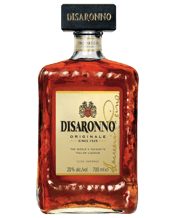
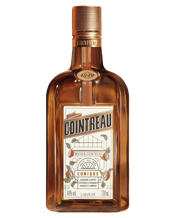
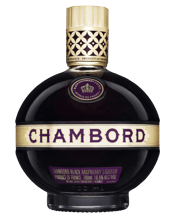
These are your sweet treats, sometimes colourful, sometimes in crazy packaging, often fruit driven. For our big-brand liqueurs, think Disaronno, Cointreau, Chambord and Midori, but it doesn’t stop there. You can also find liqueurs of elderflower, peach, blackcurrant (aka cassis), apricot, passionfruit, pineapple, hazelnut, macadamia, green walnut, coffee, and much, much more.
When substituting liqueurs, try and stay in the same flavour camp: our stone fruit and citrus can often step in for one another; tropical and floral flavours play well together; and our nuts and coffee liqueurs can occasionally trade places.
Bitters and fortified wines
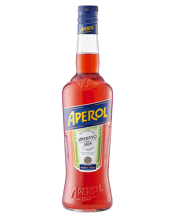
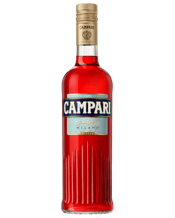
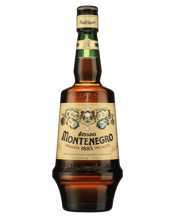
This is the category at the most risk of gathering dust. Bitters are just that – bitter – and include anything from Aperol and Campari to Montenegro. Our fortified wines include vermouth (that’s dry, sweet and bianco), sherry of all types, Port and Madeira – all delicious on ice, with tonic and in a variety of cocktails, and often best drunk fresh.
Those bitters, or amari, can swap in for one another when needed, as can our wine-based pals.
Sweet and sour
This is stepping out of our cocktail cupboard and into the pantry. Many cocktails rely on something sweet, often in the form of sugar syrup, to add texture and balance, but this can also come from honey, maple syrup, golden syrup, brown sugar – the list goes on. Sour brings more balance and gets your mouth watering. This might be lemon or lime, grapefruit, verjuice, or even a mild vinegar.

Three-ingredient cocktails are the best kind of cocktails, especially when there’s no shaking. The classic recipe is just bourbon, sugar syrup, and bitters (Angostura – the one with the funny label) – but what if you have none of the above?
Bourbon is a dark spirit and can be comfortably substituted with any of its kin. Rum, Scotch and reposado tequila all play nice and safe. Want to play not-so safe? Go for gin.
No sugar in the house? Honey, maple syrup, golden syrup, or even brown sugar all work well. Just be mindful of differing sweetness levels (tasting as we go is the best part of the job).
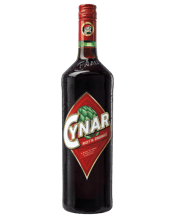
As for Angostura Bitters, this can be replaced by Italian Bitters (something dark, like Cynar or Averna) at a pinch.
2. Margarita
We’re talking about the classic, salt-rimmed, served-up, plenty-of-lime Margarita. The cocktail that screams good times with great friends. Tequila, lime, Cointreau and a little dash of sugar. The structure is known as a Daisy cocktail and it’s a great formula for deliciousness.
No tequila? Sub it out with any of our light spirits or lighter dark spirits (think a nice Spanish aged rum).
For your Cointreau sub, the liqueur world is your oyster. Just stay fruit-forward (apricot, peach, berry liqueurs) and adjust that dash of sugar as needed.
No limes? Lemons are the best alt, or grapefruits work really well. Again, remember to taste as you go to keep the balance.


Australia’s favourite cocktail? The ubiquitous Espresso Martini is just vodka, coffee liqueur, espresso and sugar, and it’s a consistent top pick.
Run out of vodka? Anything can really work here. I’ve even had a gin Espresso Martini that wasn’t awful, but I love rum and tequila in this classic.
No coffee liqueur? No sweat. Any nut or creamy liqueur can work in its place for another dimension – think Frangelico or even Baileys. Lush.
This is my guilty-pleasure cocktail – don’t tell ANYONE. It’s made with four ingredients – amaretto, lemon juice, sugar syrup and an egg white for texture.
Amaretto falls into the liqueur family and it can be replaced with pretty much anything you’d like. Elderflower Sour? Yup. Hazelnut Sour? You betcha. Apricot Sour? Gimme.
As for our lemon and sugar syrup, you can use lime if you wish, but stick to plain sugar syrup, otherwise you’ll run the risk of this classic becoming too sweet.


5. Cosmopolitan
This is a party staple in the Linklater house, and I recommend it becomes one in yours as well. Light, fresh, balanced, fun – four words that should be associated with every cocktail. This is just vodka, triple sec (Cointreau), cranberry and lime, and it’s perfect for modifying.
Vodka can be substituted for anything light. Personally, I go for blanco tequila or gin in this space when my vodka reserves run dry.
No triple sec? Keep it citrusy (limoncello) or in the stone fruit family, like peach or apricot brandy. It won’t be a classic Cosmo, but it will be delicious.
- As for the juice, cranberry has this great acidity, which you’ll also see in pineapple and pomegranate juice, which can easily step into lime’s place.
6. Negroni
When it comes to classics built for modifying, you can’t beat the Negroni. Itself a child of substitution (an Americano with gin in place of soda), there are so many directions to go from this equal-parts three-ingredient wonder of gin, Campari and sweet vermouth.
Gin can be substituted for whatever you may have on hand (literally). Tequila (that will give you a Rosita), bourbon (gives you a Boulevardier), rum (Kingston), Cognac (Parisian), soda (Americano), or you could even leave the gin out completely for a Milano Torino – a delicious low-ABV sipper.
Campari can be substituted for anything in our bitter family, be that Aperol, Montenegro, Cynar – the list goes on.
If you’re out of sweet vermouth, any other fortified wine may do, but if you are really stuck, a sweeter wine can work in emergencies (I’ve been known to whip up a Moscato Negroni at times to mixed reviews).





%20(1)?$dans-daily-web-image$&hei=900)
?$dans-daily-web-image$&fmt=png-alpha&wid=800)