


You don’t need to be Drake to enjoy this complex French spirit. Here’s everything you need to know.
For all the glitz and glamour that comes with the most iconic names in Cognac (think Hennessy, Courvoisier, Remy Martin, and any other brand you’ve heard in a Drake song). In Australia, at least, it’s always been a much more niche drink – something only brought out at Christmas, Lunar New Year, or other special occasions. But the complexity and history of Cognac rivals that of whisky, and it’s certainly just as delicious, so why, in a world where building whisky and gin collections is commonplace, don’t we appreciate it more?
There’s no one simple answer. A general awareness of Cognac exists, but its luxe connotations and rare appearances make it an intimidating order and even more so when faced with forking out for a bottle in-store. Cognac also accounts for just 1% of the global spirit production. Simply put, Cognac is pretty rare, which makes it harder to find, more expensive and highly sought after.
So, we’ve decided to lift the fog and demystify Cognac. We think it’s due a comeback and, sooner or later, you’ll be introducing your friends to this fine French spirit. And when you do? You'll need a few conversation starters. Read on for everything you need to know about this illustrious spirit.

Cognac, and its neighbouring cousin Armagnac (the two are often grouped together), are both brandies: spirits made by distilling fruit juice (most commonly grapes). Much like whisky, it is aged in oak to impart additional flavour and colour to the final liquid.
Cognac is both a place and a drink. Consider Cognac is to brandy what Champagne is to sparkling wine. Cognac is a region in southwestern France, just north of Bordeaux, and you’d better believe it’s fancy. Disney-esque castles dot the banks of the Charente river, along with the vineyards growing the grapes that go into Cognac. This is the only place that a true Cognac can be produced, just how Champagne can only come from its namesake region. Within the Cognac region, there are further classifications (called a ‘cru’) denoting the quality of a plot’s soil, with the highest rating being Grande Champagne, followed by Petite Champagne.
Because of its rarity, provenance and quality of its fruit, Cognac is widely considered the gold standard of brandy. Many of the world’s oldest and most illustrious brandy houses are based there – the oldest being Martell, which set up shop in 1715 and has been producing acclaimed Cognac ever since.
While popular in cocktails (many whisky and rum-based cocktails have a Cognac equivalent), Cognac is perhaps best renowned for being an easy-drinking neat spirit. This is largely due to the fact that brandy carries a softer sweetness compared with a comparatively aged whisky.
Cognac carries more flavour from its grapes, so even younger Cognacs are often sweet and moreish, with tasting notes of candied fruit, spice and vanilla common among them. Cognac takes on additional complexity and oak-derived characteristics as it ages, which is something collectors will pay a pretty penny for (some Cognacs retail for well into the five figures).
Cognac flavours vary so much that in 2009, 50 experts, comprising distillers, sommeliers and journalists, got together to create the Cognac flavour wheel. They each tried 100 Cognacs, with their resulting 5000 tasting notes used to create the flavour wheel, which sorts Cognac into four categories: summer (fruity), winter (wooded), spring (floral) and autumn (spicy).
The most common flavours include apricot, cinnamon and vanilla, while older examples show chocolate and port. It takes a lot of work to whip up a batch of Cognac, and a blender's main aim is to keep the flavour consistent from year to year.
And don’t underestimate Cognac’s ability to pair with a range of food, either. It’s a surprisingly great match with freshly shucked oysters, strong blue cheeses, or a big spread of pâté, cured meats and terrines. It also shines alongside so many different desserts.
Instead of using age statements like Scotch and bourbon, Cognac is broadly divided into four categories according to the time the unaged spirit – rather romantically named eau-de-vie – has spent ageing in oak. They generally get more expensive as you progress through the ranks.
- VS, or Very Special:
This is Cognac at the younger end of the spectrum, which means it’s been aged for a minimum of two years
- VSOP, or Very Superior Old Pale:
These Cognacs will spend at least four years in barrels
- XO, or Extra Old:
XO Cognac will spend six or more years ageing and is considered prestigious
- XXO:
This is the oldest and rarest designation that Cognac can acquire. In fact, the designation was only created in 2018. XXOs must be aged for more than 14 years, and they can get pretty pricey.
Top Cognac to try
Cognac comes in countless flavour profiles and ages, so the simplest way to choose a bottle is by considering the tasting notes – and price point – that appeals most. Below, we’ve chosen a few bottles that boast classic Cognac flavours and textures at a variety of price points.
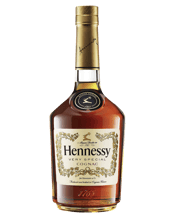
1. Hennessy VS Cognac
Hip-hop connotations aside, there’s a reason that Hennessy, probably the world’s most famous Cognac, remains an enduring icon. The VS – the youngest and most affordable in Hennessy’s range – is an excellent entry-level introduction into the world of Cognac, with rich and intense fruit flavours that lend themselves as well to cocktails as they do to sipping neat.

Click image to shop

Click image to shop
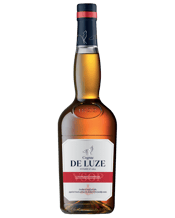
2. De Luze VSOP Cognac
De Luze has been making fine Cognac for more than 200 years, and many believe their best-value proposition is the VSOP. Here, you can expect luscious flavours of dried stone fruit, apricot and just a touch of orange blossom, with a silky smooth finish complete with a touch of spice, vanilla and licorice.
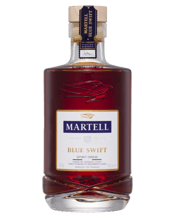
3. Martell Blue Swift
The Martell Blue Swift is the flagship drop from Cognac’s oldest brandy maison, now entering its fourth century of production. Blue Swift, a VSOP, is a quintessential Cognac with a slight twist, made very much in the house’s signature style, but finished in ex-bourbon casks as well as the traditional French oak for added vanilla and toasted oak characters.

Click image to shop
?$dans-daily-web-image$&wid=900)
Click image to shop
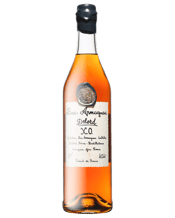
4. Delord XO Armagnac
Heading slightly south to Armagnac, Cognac’s smaller and slightly lesser-known sibling, we find Delord – makers of one of the best XO brandies you’ll find anywhere at its price point. Still made by the direct descendents of the man who founded the distillery in the 1890s, being aged for a minimum of 10 years affords it a wonderful level of added complexity, with rich caramel and oak notes on top of Cognac’s classic dried fruit flavour profile.

1. What is the best way to drink Cognac?
Traditionally, Cognacs are served neat in a tulip glass or a snifter to enjoy its complex flavours. Cognacs can also be enjoyed on ice or with a drop of water, and younger Cognacs, like VS, can also used in a cocktail.
2. What do VS, VSOP and XO mean on a Cognac bottle?
These letters on a Cognac label indicate the minimum aging period of the youngest spirit in the blend.
•VS, Very Special: minimum two years
•VSOP, Very Superior Old Pale: minimum four years
•XO, Extra Old: minimum six years
•XXO, Extra Extra Old: minimum 14 years
3. Should Cognac be served neat or with ice?
Cognacs are usually served neat, at room temperature, to enjoy the complex aromas and flavours. If you want to lower its intensity, you can also serve Cognac with ice.
4. How should you store an opened bottle of Cognac?
Unlike wine, Cognac doesn't age with time, so it should be tightly sealed and stored in a cool dark place away from sunlight.


%20(1)?$dans-daily-web-image$&hei=900)
?$dans-daily-web-image$&fmt=png-alpha&wid=800)