


From bourbon and rye to lesser-known styles, the US has a whiskey for everyone.
Americans have a knack for taking something that already exists and making it their own. Think of the US version of The Office, remaking the classic Japanese film Seven Samurai as The Magnificent Seven, or the country’s almost endless regional versions of pizza. A couple of centuries ago, long before Steve Carell or the New York slice, they also did it with whiskey.
Like so much of the United States’ history, American whiskey (always with the ‘e’) emerged from migration’s melting pot as something both familiar and completely unique. At the start of the 18th century, waves of migrants arrived from places like Scotland and Ireland, bringing with them a taste for whisk(e)y (Scotland with no ‘e’, Ireland always with) and the distilling know-how to make it themselves. As they settled in what would eventually become the USA (namely, colonies like Pennsylvania, Maryland and Virginia), they made whiskey from just about anything they could – particularly rye, wheat and corn.
The result was the start of America’s tapestry of whiskey styles, with states and counties claiming their own takes as distillers expanded west. Now, thanks to these early pioneers, American whiskey is some of the world’s very best, whether you’re mixing a Manhattan or sipping it straight.
The rundown
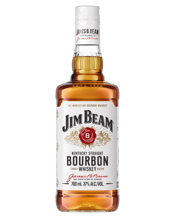
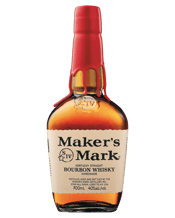
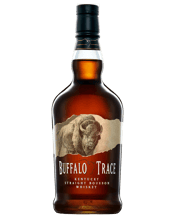
Bourbon is far from the only American whiskey, as we’ll see, but it’s definitely the big name. We don’t know for sure, but it’s probably called bourbon because of an association with Bourbon County in Kentucky, although it might also be named after Bourbon Street in New Orleans. Regardless, the state of Kentucky is the spiritual home of bourbon and it’s where you’ll find the whiskey’s most iconic distilleries like Jim Beam, Maker’s Mark and Buffalo Trace.
Despite the association with the state, bourbon doesn’t have to be made in Kentucky, though it does have plenty of other legal requirements. By law, a whiskey can only be bourbon if it’s made in the USA with at least 51% corn and aged in new, charred oak barrels.
Flavours, styles and how to serve bourbon
Whiskey drinkers prize bourbon for its soft and sweet flavours, headlined by vanilla, caramel, toffee and a subtle nuttiness, mostly thanks to the use of new American oak barrels. Corn, too, contributes to those sweet treat notes, although distillers are free to play around with other grains, provided they use at least 51% corn. Maker’s Mark, for instance, uses red winter wheat, which makes for a softer and even sweeter sip.
With its signature sweet-and-soft profile, bourbon is an approachable option for those looking to drink whiskey straight. Older, richer bourbons in particular are ideal sippers, although higher-proof spirits (like the 50% ABV ‘bottled in bond’ styles) can benefit from a few drops of water. Bourbon is also a great candidate for mixing, with classic bourbon cocktails like the Mint Julep, Old Fashioned and Whiskey Sour all ideal places to start.
The rundown
In the song ‘American Pie’, Don McLean sings ‘Them good old boys were drinkin’ whiskey and rye’, which was actually something of a rarity in 1971, as rye nearly disappeared as a whiskey style altogether in the years after Prohibition. Thanks to them good old boys and whiskey enthusiasts alike, rye has rebounded in the 21st century, riding the wave of craft spirits to become reasonably popular again.
As the name suggests, this whiskey style is made predominantly using rye, a flavoursome grain that Europeans had long been using for vodka, schnapps and other unaged spirits. Unlike bourbon, rye whiskey can be made anywhere in the world, although American versions must be at least 51% rye and aged in new, charred oak. In Australia, rye whiskey can legally be made with any amount of rye.
Flavours, styles and how to serve rye whiskey
While bourbon is known for its softness, rye whiskey is prized for its prickly pack of spicy flavours like black pepper and baking spices, as well as plenty of toasty, nutty notes. Ageing in new oak gives rye whiskey the same sorts of sweet caramel and vanilla flavours as bourbon, too, lending it a sweet and spicy flavour profile.
Rye whiskey sometimes gets compared to Islay Scotch whiskey, because both are at the stronger end of the flavour spectrum. That’s not to say that if you like Islay Scotch you’ll like rye (they’re quite different flavours), but those who prefer a big, punchy whiskey will get a kick out of drinking this style neat or on the rocks. That extra whack of flavour has long made rye a great cocktail candidate, too, being able to poke through other strong flavours. Classic rye cocktails include the Manhattan and the Sazerac, although it’s a worthy sub for any other whiskey when you’re looking for a bit more kick.
The rundown
Tennessee whiskey isn’t bourbon, although you could easily make some local enemies by arguing they’re virtually the same. One difference is that Tennessee whiskey can only be made in Tennessee (while bourbon can come from anywhere in the US), and this restriction means there are only a handful of Tennessee whiskey makers still remaining, with Jack Daniel’s and George Dickel being the most notable.
The big difference between Tennessee whiskey and bourbon, though, is something called the Lincoln County process. Basically, this means the whiskey is filtered through charcoal prior to going into the barrel for ageing, stripping away some flavours while adding a sooty smoothness. Other than that, Tennessee whiskey is corn-based (at least 51%) and needs to be aged in new, charred oak, just like bourbon.
Flavours, styles and how to serve Tennessee whiskey
While individual distillers have plenty of room to move in terms of ageing and bottling strength, the flavour profile of Tennessee whiskey is, unsurprisingly, usually pretty similar to bourbon. We’re talking all the same sweet caramel and vanilla flavours, although the charcoal filtering will definitely round off the palate and can sometimes add a subtle sooty note.
The softness of charcoal filtering means Tennessee is sometimes referred to as a ‘sipping whiskey’, as it’s an approachable choice for drinking neat or on ice. Cocktail-wise, while there are a few designed just with Tennessee whiskey in mind (most famously the Lynchburg Lemonade, which blends Jack Daniel’s, sour mix or lemon juice, triple sec and lemon-lime soda), you can generally use Tennessee whiskey wherever you’d normally go for a bourbon.
The rundown
Corn whiskey was one of the very earliest American whiskeys, though it is nearly extinct these days. It’s definitely a precursor to bourbon but, whereas bourbon has ageing requirements, corn whiskey can legally be sold as an unaged white spirit that’s sometimes referred to as moonshine (although moonshine as a category is broader than just corn whiskey).
There are a few legal requirements for corn whiskey, needing to be distilled from at least 81% corn and bottled at less than 80% ABV.
Flavours, styles and how to serve corn whiskey
To be honest, you’re unlikely to find an example of corn whiskey – particularly in Australia. If you do, though, it’ll likely be an aged corn whiskey, meaning it will be quite similar to bourbon with sweet flavours from the corn and oak. If you’re lucky enough to land a bottle, use wherever you’d use bourbon.
The rundown
Another less common American whiskey, although you can find examples from producers like Bernheim. Wheat whiskey is similar to rye and bourbon in that it legally must consist of 51% grain (here it’s wheat, obviously) and it must also be aged for two years in new, charred oak.
Flavours, styles and how to serve wheat whiskey
Wheat whiskey picks up those vanilla and toffee flavours from new, charred oak (just like many other American whiskeys) but using a majority of wheat for the grain makes for a softer style. Because of this, wheat whiskey is a great straight sipper, and a good choice for cocktails where the whiskey is better off blending subtly into the background.


%20(1)?$dans-daily-web-image$&hei=900)
?$dans-daily-web-image$&fmt=png-alpha&wid=800)