


If you think sickly sweet is the only side to cider, think again.
Cider is cool again. There. We said it. Was cider ever not cool? Perhaps not, but Australians definitely have some preconceived ideas about it. Compared to the UK, where cider bars featuring dozens of craft ciders on tap are a definite thing, Australian venues tend to stock one or two at most, with all producers competing for that space. And in the face of growing appreciation for seltzers, ginger beer, fruity beers, pet nats and zero% alcohol, cider has faced some stiff competition.
If you’re in the camp of thinking cider is always sickly sweet, highly concentrated and mass-produced, we get it. For a long time, that’s what was popular and it was hard to find anything different. But there are many brands doing fun, new-world things in the craft cider space and making it truly cool once again – we predict there’s a major revival on its way. After all, if you’re a fan of natural wine, many of these ciders are a short hop away – at its core, it’s fermented fruit. We’re talking new-wave makers who are pushing cider into unique forms and flavours with a real respect for the craft. Here are four of them.
Click image to shop
1. Monkey Rock
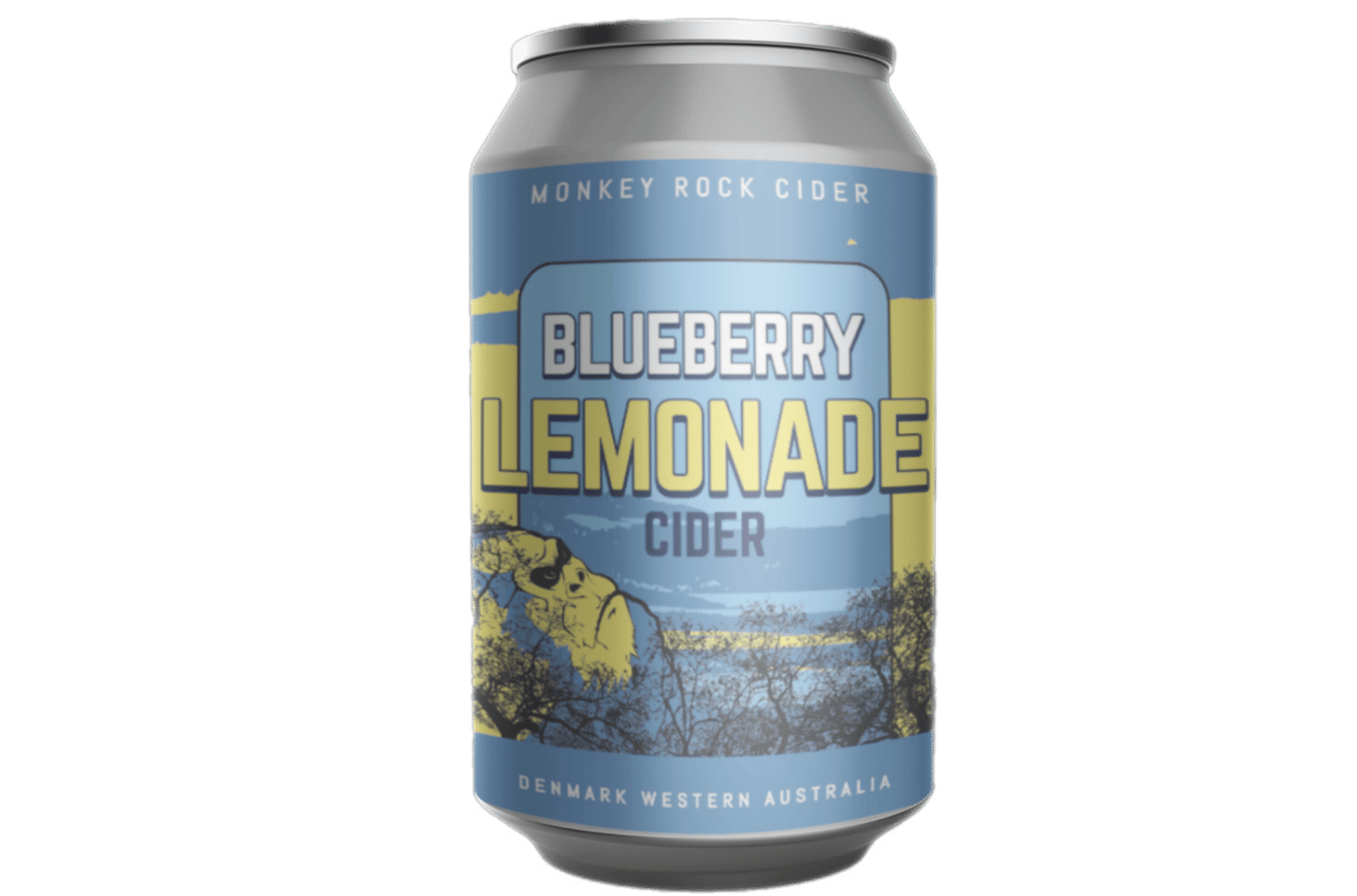
We can’t get enough of Monkey Rock’s Raspberry Roulette – made with not only raspberries but also blackberries, blueberries and strawberries, with a special apple juice blend added for a dry finish that’s very delicious indeed. Their Blueberry Lemonade is equally as fun with its hints of sherbet and a tangy lemon finish – perfect for summer sipping.
Stephanie explains that what makes their ciders so good comes down to using the best ingredients. “We don’t compromise on quality.” To create a cider that doesn’t contain preservatives is no easy feat; according to Stephanie, it’s not necessarily the process but the logistics that can make it challenging. “Needing to refrigerate the ciders that contain sugar and getting our hands on good quality produce, this can make the whole process more expensive,” she says. But it’s a category we’re expecting to see grow. “Our industry seems to follow the United States, who are currently in a cider movement, so watch this space,” Stephanie says.
2. Sydney Brewery
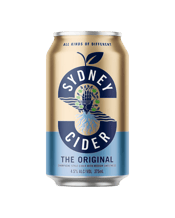
Sydney Brewery’s mantra is simple: all kinds of different. Well known for their excellent beers as much as their ciders, they work with a team of different people from all walks of life; they serve a broad demo of customers at their Hunter Valley and Surry Hills breweries, and they’re not afraid to approach cider differently. “I don’t think consumers understand cider’s drinkability and versatility until they try it,” says Richard Feyn from the Sydney Brewery team.
Richard has watched the ebb and flow of cider’s popularity since the early ’90s – “It’s largely attributed to the growth of the premix market,” he explains. “In the past few years, seltzers alone have contributed to big downturns in cider, but we still hold our own.” In fact, the market’s growing interest in wild flavour combos and unique takes on old favourites has presented a real opportunity for Sydney Brewery to throw their hat in the ring. Styles like their Agave Ginger Cider (Original Sydney Cider blended with organic agave syrup and ginger juice) brings new and old flavours together in a mighty tasty way. And none of their ciders have any added sugar and they’re all made from freshly crushed apples (no concentrate in sight).

Click image to shop
Click image to shop
3. Arquiteka
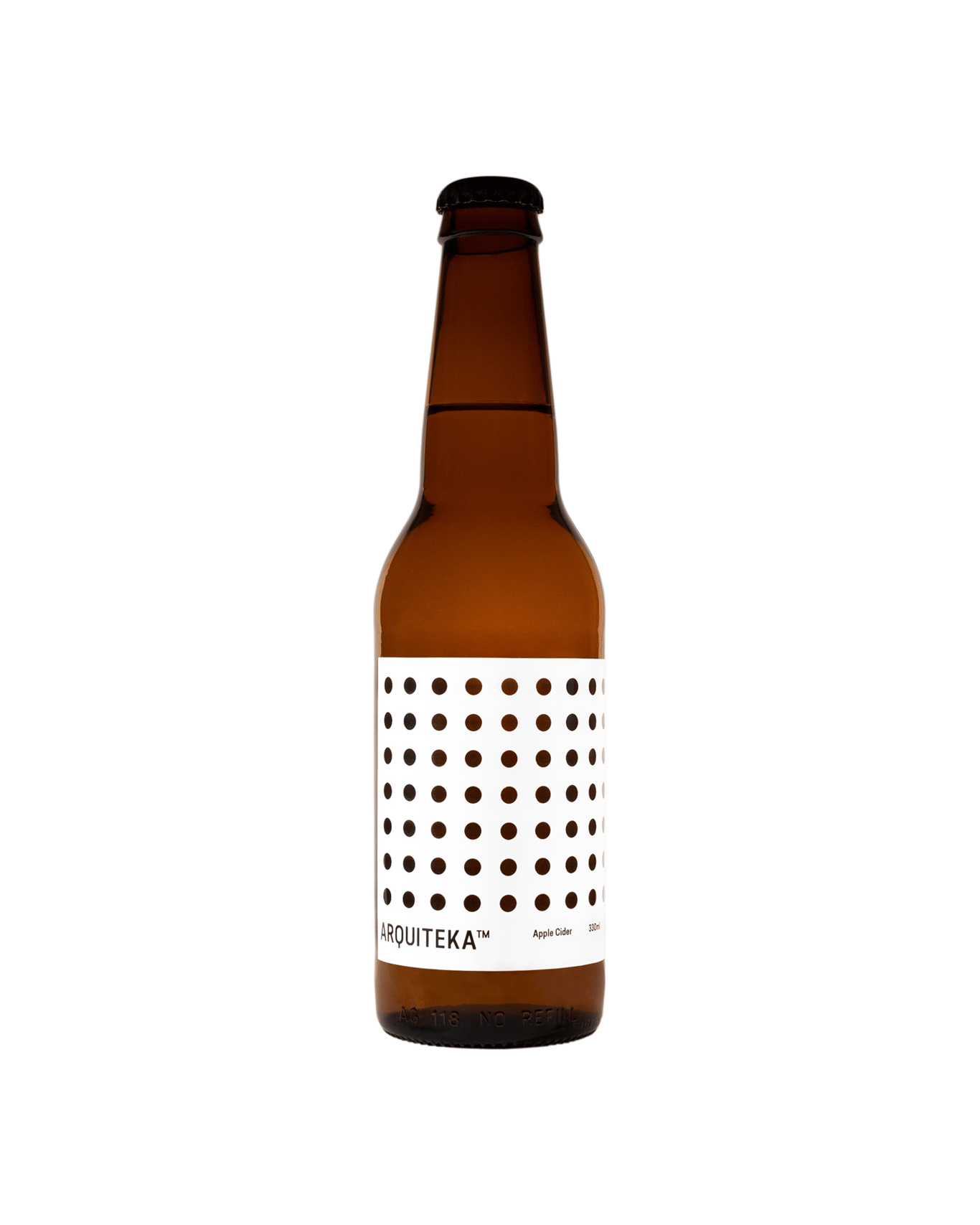
Arquiteka might only produce one cider, but it includes nine varieties of hand-picked apples. Yes, nine. “Each apple brings its own unique flavour and quality to the mix,” explains the brand’s cidermaker Steve Ostrom. “We ferment all our apple varieties separately using five different yeast strains,” Steve says. Over two years, they meticulously tested each strain with each variety of apple to figure out which combinations produced the most uniquely perfect taste, mouthfeel and astringency.
Steve and the team employ a very traditional process – one that mirrors how cider is made in England (think the counties of Gloucestershire and Somerset). He was lucky enough to learn his craft from some of the best cider makers in the UK over a decade ago and he knows that good cider comes from good fruit, simple as that. “As apple growers in the Yarra Valley since the late 1800s, we have access to our own fruit and connections to other quality growers and neighbours to draw from,” he says. “We also double-press our fruit on a hydraulic press, which gets all the juice from the product, giving around 70% extraction.”
Then comes ageing. “It’s similar to wine – after all, cider is a fruit wine,” Steve explains. “Unlike large mass producers, small craft producers can afford to have tank space available for ageing. We never use a cider less than six months of ageing – most of our varieties have matured up to four or five years.”
When it comes to sugar, Steve points out that their cider has just 4.5g per bottle. “Some producers use a process called ‘back sweetening’, which means they add apple juice to the final blend to lower the alcohol and that makes it much sweeter.” Instead, Arquiteka opts for adding a small amount of purified rainwater to reduce the alcohol from 7.5% to 6.6% for bottling, maintaining all the flavour and crispness of their carefully concocted blend.
Don’t be afraid to approach cider drinking a little differently with Arquiteka – Steve suggests trying it in a spritz instead of using prosecco, or as a Boilermaker with whisky. Try sipping it straight from the bottle while grazing on a cheese platter at this weekend’s picnic and you’ll be in for a treat.
4. Simple Cider
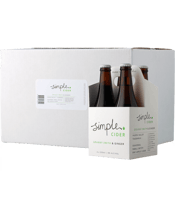
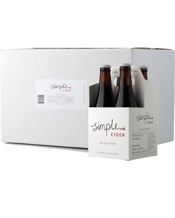
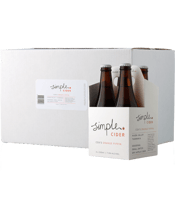
It’s no surprise that Simple Cider was born out of a desire to create a cider that’s, well, simple.
Founder and cider maker Patrick Meagher thinks cider is still trying to find its true position in Australia. “It doesn’t have the strong history of beer and wine, and earlier versions of cider were more like RTDs than true ciders,” he says. He and his team work their magic in the brand’s urban cidery and winery in the heart of Hobart. Their craft is a reflection of the Tasmanian landscape, and they make the most of its cool climate and fertile soil which provides the juiciest, most flavourful apples you can imagine.
Simple Cider isn’t just simple, it’s also considered. “A lot of time can be wasted fixating on what other people are doing. We are just focused on trying to put out the best drinks we can,” Patrick says. This authenticity is key to the finished product, as well as a process arrived at slowly after learning and refining their craft over many years.
Click image to shop
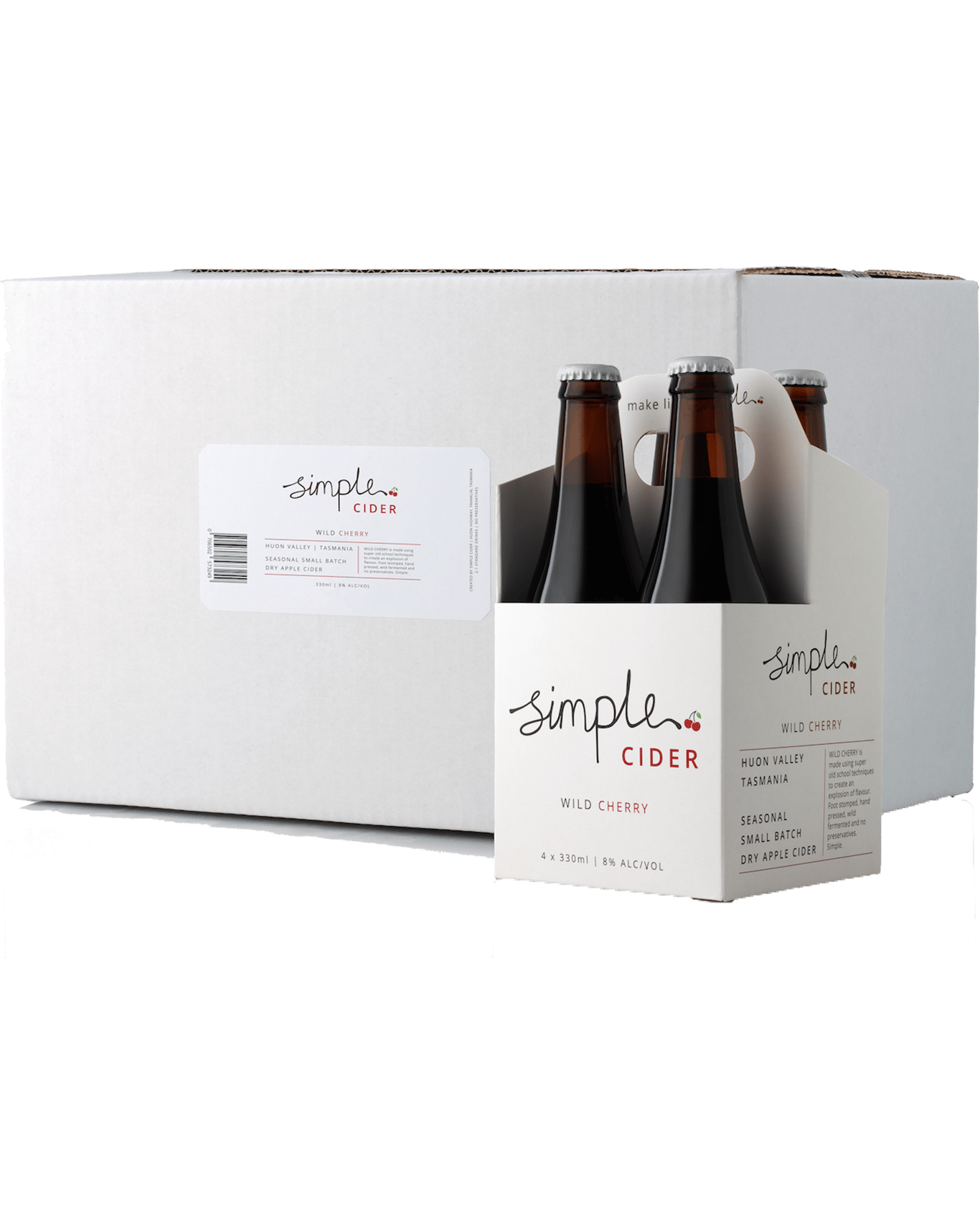
Their Wild Cherry Cider is a fan favourite. The team foot-stomp, hand-press and wild-ferment the fruit for a drink that’s about as natural as it gets. “We foot-stomp for a few reasons, not the least being that’s it’s a lot of fun,” Patrick explains. “The other reason is we top our tanks with uncrushed fruit and do what’s called ‘carbonic maceration’. Essentially it’s whole-fruit fermentation and that leads to greater colour, more flavour extraction and fizzy cherries.”
Patrick insists cider doesn’t have to be sweet to be good. Take their Cox’s Orange Pippin (a distinctly tart, British variety of apple) or Granny Smith and Ginger ciders as firm proof.








%20(1)?$dans-daily-web-image$&hei=900)
?$dans-daily-web-image$&fmt=png-alpha&wid=800)