


What is a pét nat? And why are they so popular?


It may seem like pét nat is this new wine, (found exclusively among the tattooed and moustached masses), but in actuality, natural sparkling wines have been popular for centuries, with the process first recorded in 1531 (predating Champagne methods).
For example, the ancestral-method wines of southern France’s Gaillac, which use a deeply traditional process of creating sparkling wine that is entrenched in the area’s heritage. And of course, let us not forget Italy’s frizzante wines of prosecco and Emilia-Romagna, the home of lambrusco. Both have been around for yonks.
The “new” trendy pét nat, was established off the back of these wonderful wines much – much later, in the 2010s and often as a side project for already established wine producers. They gained popularity as they were easy to make, cheap-as-chips party wines. That said, there are definitely producers taking this modern style of pét nat to super serious new heights.

Click image to shop
What does pét nat taste like?
It's impossible to generalise what a pét nat tastes like as the term describes a winemaking technique, rather than a specific style of wine. All Champagnes, for example, are made from the same grapes, so you can assume that different examples will feature similar flavours; pét nats, on the other hand, aren't limited by restrictions, so winemakers are free to use whatever grapes they wish. What you can bank on is a wine that has a gentle, refreshing fizz and fruit-forward flavours – so what's not to love? Well, they can sometimes lean towards the vinegar end in terms of taste – which sometimes is just what we're looking for and sometimes not. Only way to figure it out is to try it.
Take Chalmers Pink Fizz, a Victorian megablend of varietals made famous in southern Italy, including nero d'Avola and lambrusco. It's a wild, yet lightly fizzed ride of grapefruits, strawberries and pomegranate, whereas the Range Life Pét Nat Chardonnay is made from 100% chardonnay grapes.
It has flavours of citrus, apples and pear, but again, also brings that light fizz to the glass to have it resembling something perhaps closer to a cider.


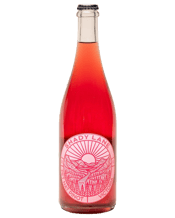
Shady Lane, from Victoria again, does a fantastic pét nat pinot noir showcasing flavours of strawberries and cream, while across the ditch in New Zealand, the team at Isabel Estate have put together the liquid equivalent of a tropical fruit salad, in the form of a pét nat sauv blanc. It's the perfect match: an ancient way of making wine combined with one of the modern world's favourite styles of wine.
And while we're on the topic of ancient ways of crafting wine, we'd be remiss not to mention the Dal Zotto Col Fondo from Victoria's King Valley.
Though it's not technically a pét nat, it is how Italian prosecco used to be made, with the secondary fermentation happening in the bottle rather than a giant, stainless steel tank.
The resulting wine leans more towards funky and sour than floral and fruity, with less sweetness than a regular prosecco, and is definitely worth trying if you're a fan of anything slightly left of field!






%20(1)?$dans-daily-web-image$&hei=900)
?$dans-daily-web-image$&fmt=png-alpha&wid=800)