Orange, amber, skin-contact, skinsy – whatever you call it, this style of white is all grown up.
The orange wine trend is over, but let’s not start writing the obituary just yet. When fads fade, two things can happen: they go gentle into that good night or they join the mainstream. For orange wine, it’s definitely the latter.
With plenty of new wave and traditional Aussie winemakers now offering their own takes on orange, it’s clear this style of wine is not destined to be some short-lived fad like coffee served in a hollowed-out avocado or (crystal-balling a little) that parmesan cheese-topped Espresso Martini. That said, the style is anything but set in stone, with a constantly evolving set of flavours, styles and winemaking approaches keeping it fresh.
Orange wine is sort of like a hybrid of red and white wine techniques. Red wine gets its iconic red tones from the skins of its grapes – when the grapes are crushed, the juice that runs out is allowed to remain in contact with the skins for a while, leaching out colour, flavour and tannins. White wine is normally whipped off the skins straight away but, when it’s left to linger a little, the wine picks up a more gentle amber colour, rustic tannins, plenty of texture and some deep, interesting flavours like fleshy apricot or intense floral notes.
This contact between the white grape skins and juice is what defines orange wine, and it also provides a few of its pseudonyms. These days you’ll find orange wine commonly referred to as skin contact or ‘skinsy’ white wine, with amber another common alternative. You might also see orange wine listed under the umbrella of ‘natural wine’ (an equally ambiguous term), but that’s not 100% accurate.
See, while orange wine was getting its own subheading on trendy wine lists (a proud Mum moment, for sure), the natural wine movement was chugging along, too. Natural wine, remember, is a loose category of styles and ideas that can include minimal intervention (like not adding sulphur), organic and biodynamic practices, and more rustic, old-school techniques like those of pet nats and our friendly neighbourhood skin-contact whites.
Getting lumped together makes sense – after all, a lot of the early producers to break through with skin-contact and orange wines were celebrated natties like Lucy Margaux and Ochota Barrels. Often, these wines were funky and rustic, with non-traditional flavour profiles that veered towards the arresting brightness of sour beers or the sherry-like qualities of Jura’s oxidative white wines. They were not your standard whites, in other words.
The thing is, skin-contact white wine is just a technique, not a philosophy. That means winemakers of all stripes – whether they’re ‘natural’ or not – can have a go, refining, changing and pushing this growing category forward in ways that naysayers and sceptics might not have thought possible.
Calling people hipsters for their wine preferences is silly (I have big glasses and a moustache, though, so of course I’d say that), but it’s fair to say that the, uh, early-adopter subculture took orange wine under its wing pretty quickly. Now, though, orange/skin contact wine is truly hitting the mainstream and those funky, unusual flavour profiles are being joined by sleek, approachable wines that have more in common with traditional winemaking than the styles we broadly call ‘natural’. It means there are some exciting changes happening to skin-contact white wine on our local scene.
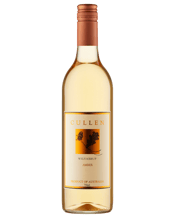
Take Cullen, for example. Winemaker/owner Vanya Cullen has long produced wines that sit toward the ‘natural’ camp (biodynamic, minimal chemical intervention), but with the sort of refined style associated with high-end mainstream winemaking. Cullen’s Amber Semillon Sauvignon Blanc continues the theme with a skin-contact white wine that is anything but funky. Yeah, the wine is a little hippie (“the palate dances like a group of people experiencing great joy,” according to the winery’s own notes), but the overall style is zippy and bright with a little tannin (the calling card of the skin-contact style) and plenty of orange, pear and spice flavours.
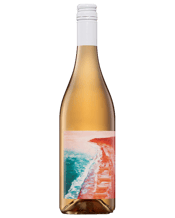
There really aren’t any rules when it comes to which white grapes to use, either, and our locals are boldly experimenting. Aromatic varieties like gewürztraminer are being fermented on skins to great effect in wines like Serafino’s Orenji Project blend. Here, gewürz brings flavours like Turkish delight, ginger and mandarin to a textural wine that’s all backed up by some gentle tannins thanks to its skin contact. It’s an interesting flavour bomb, admittedly, but it’s a far cry from the funky, farmhouse style once associated with orange wine.
One style you’ll see a lot of in the orange game is pinot gris/grigio on skins. This is one reason why the orange label isn’t always on the money because, despite being white wine grapes, the pinot Gs lend more of a rosé-like pink blush (actual rosés, though, get their colour from red grapes, not white).
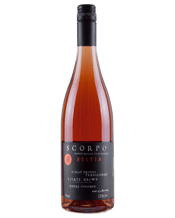
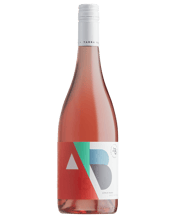
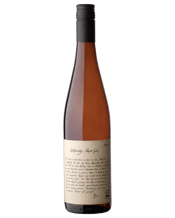
Scorpo’s Bestia Pinot Grigio is a great example of this, looking (and almost tasting) a bit like a Negroni cocktail, with a red-pink-orange colour spectrum, some delicate savoury and bitter characters, and citrus flavours from the time on skins. Leaning even closer to that rosé colour is the gris on skins from Airlie Bank, a slightly-musky, berry-flavoured wine that appears a true pink. Paler still is the pinot gris from Lethbridge, which brings a spicy ginger character you’ll find in a lot of skinsy wines.
In each case, these wines demonstrate just how far the so-called orange wine style has come, and how, with skilled winemaking and the right approach, skin-contact wines can be every bit as approachable and refined as traditional reds and whites.