


It’s not just a hipster stereotype anymore.
We love wine (as you can probably tell) but, like your dad who only just got his first smartphone, the wine world can be a little stuck in its ways. The perfect example is the bubbly, colourful vino we call pét nat, which has blown up in the past couple of years on the back of being the trendy ‘hipster’ wine of choice.
It’s a little unfair to lump a wine with one group – like saying sauvignon blanc is just for mums, y’know? – as we end up dismissing all the history, techniques and bloody good flavours that have made it so popular in the first place. In recent times, pét nat has become a park wine, party drop, staying-in-tonight accompaniment and colourful gift for the wine adventurer on a scale that has long since passed the just-a-phase phase.
It is with great pride, then, that we can announce that pét nat is here to stay, baby. And, despite what you might have heard, it’s here for everyone. With summer back once more, we thought it was worth laying out some truths about this fizzy, colourful, warm-weather wine. Oh, and stick around to the end to find out which pét nats we’ll be drinking all summer long.

Click image to shop
Remind me, what's a pét nat?
Surfing the wave of popularity
When pét nat started showing up on our radars in the late 2010s/early 2020s, it was seen as a fad. But while we’ve all stopped making dalgona coffee or doing the smeeze, pét nat is still powering on. Now, it’s democratising sparkling wine, its popularity is ever-increasing and it has become so popular that many a drinks writer has wondered if it’s gone too far. It’s big and getting bigger, in other words.
From our point of view, there are a few reasons why pét nat has defied the odds and stuck around. The first is obvious: it looks fun. The world of wine is very self-serious at times, but pét nat’s rainbow of colours zips between cloudy mother-of-pearl, daisy yellow and sunset pink. We don’t just eat with our eyes – we drink that way, too, and when wines look this fun, we all want a sip.

Click image to shop
It’s the flavours, too. Pét nat can be made from any grape at all and, combined with its gentle fizz, the rustic single-fermentation process lends a spectrum of flavours that suit just about every palate. It can be zingy, with citrus flavours like grapefruit and lemon, combined with acidity that’s almost akin to a sour ale. It can be fruity, too, with notes of green apple and pear like a farmhouse cider. And as the popularity has grown, winemakers are trying new things all the time, offering even more for we drinkers to explore.
For us, though, the most important reason pét nat is still here is that while it’s fun and flavoursome, it’s also just easy going. Pét nat is at home on a picnic table in the shade with a chicken sandwich or at a friend’s barbecue being sipped from a paper cup. This is why it defies the hipster stereotype: pét nat really has democratised sparkling wine.

Click image to shop
How to drink pét nat (and five you need to try)
Oh, the other good thing about pét nat not being ‘just a trend’? It’s never too late to try it. And because we mentioned pét nat was easy going, don’t take the following as gospel – more like suggestions.
To serve, we recommend really chilling any pét nat (around 6°C is great) and pouring it into a regular white wine glass. Pét nat is generally unfiltered so you’ll likely notice a collection of sediment in the bottle. This is fine and totally natural – and it doesn’t matter if you drink it, either – but you’ll easily avoid it by storing and chilling the bottle upright and letting the sediment stay at the bottom as you pour. In some cases – like our new favourite, the savoury, dry and complex pét nat from Cowpunk in Cowra – the winemaker intends us to roll the sediment into solution and enjoy the wine cloudy.
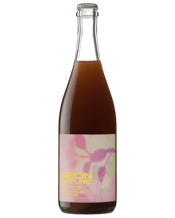
As for the best occasion and time of day (or phase of the moon) to drink pét nat? It’s up for it anytime, but we find that the crisp acidity and light fruitiness of many pét nats makes for an ideal aperitif (that is, a drink to stimulate the appetite pre-dinner). Marlborough’s Neon Nature sauvignon blanc pét nat is a great example of this style, with tropical flavours of lychee and guava, and a mouthwatering acidity.
Pét nat is also extraordinarily happy paired with food, so you can really get creative there. With its green apple flavours and fresh acidity, we’d serve the Range Life Pet Nat Chardonnay alongside salty snacks like a little anchovy toast or kettle-cooked crisps. There’s plenty to be said about pét nat as a brunch option alongside your smashed avo, too – sub the tart strawberry and raspberry flavours of the Shady Lane Pet Nat Pinot for the old Mimosa, we say. Or, as a foil to the charred meats and zesty salads of a summer cook-out, it’s hard to beat the dialled-up cherry notes of Neon Nature’s Marlborough Pinot Noir pét nat.







%20(1)?$dans-daily-web-image$&hei=900)
?$dans-daily-web-image$&fmt=png-alpha&wid=800)