


Crystals, cow horns and biodynamic planet calendars. The freaky delicious world of biodynamic wine.
At first glance, biodynamic winemaking might look all kinds of crazy. Some see it as the kind of hippy-dippy pseudoscience you’d expect Gwyneth Paltrow and her ‘goopers’ to be into, or perhaps just peace-and-love enough to feature in a Beatles song. But despite its strange quirks, biodynamic wine and its planet-friendly practices do seem to work and wine enthusiasts are swiftly jumping aboard (particularly in this era of climate change). Some believe there’s a purity of flavour that only biodynamic wine can produce and these days any wine bar worth their salt will have a range on the list.
"I can't put my finger on it, but there's a certain vibrancy, an energy, to wines made organically and biodynamically," says first-generation winemaker Ron Laughton of Jasper Hill in Heathcote, Victoria. "There may be forces at work that I can't explain," he adds, "and of course there's a spiritual side to biodynamics if you want it. But I'm a scientist. I see the results of these practices – these great tools of biodynamics – and I think I can understand the science behind it. You have to have a belief in it, but it's not a blind faith.”
So let’s have a closer look at what biodynamic farming involves and why this seemingly loopy approach can generate incredibly delicious wines.

Remember when Mufasa sat Simba on top of the hill and explained that we are all part of a delicate ecosystem that makes up the circle of life (cue Elton John)? Yeah, that’s sort of what it means. Biodynamics and biodynamic viticulture essentially mean that farmers use a more holistic approach when it comes to winemaking by following all the rules of organic farming and then some. Instead of just concentrating on the vine itself, they take care of the entire farm or vineyard, seeing it as a single living organism capable of being self-sustaining and self-regenerative. The winemaker’s focus is on sustainability and working in harmony with the natural ecosystem. That means that rule numero uno is that no synthetics or chemicals are used: everything is natural.
The practice was first coined by Rudolf Steiner (yep, the same bloke from the schools) in 1924, but has been around for yonks (we’re talking centuries). Unlike modern-day and organic farming practices, there is an extra element of mysticism and spirituality to biodynamics that is, well, unique. Intrigued? We sure are.
Right, so we’ve heard a little bit about what biodynamic viticulture is like, but what does it actually entail? Well, strap on in, because this is a wild ride.
First up, biodynamic viticulture and farming follow a very different kind of calendar. This special calendar, devised by the ‘high priestess’ of biodynamics, Maria Thun, aligns specific parts of agricultural processes (planting, trimming, harvesting) with certain nature cycles and planetary movements. The phases of the moon and astrology play a big role, the thought being that working with natural forces helps to grow healthier, tastier grapes. The calendar is then divided into four main days: root, leaf, flower, or fruit days. Fruit days are the best time to harvest grapes, root days are days you need to prune, leaf days are the best days to water your plants and flower days are days when you need to give your crop some space. Once this cycle has been established, intervention is kept to an absolute minimum. Anything artificial is out – the goal is to allow nature to do what it does best – just like in organic farming.
Is biodynamic farming better than organic farming? That’s something only you can answer. While some of its practices make perfect scientific sense (mostly those that it shares with organic farming), others are certainly harder to prove.
Fun fact: According to the biodynamic calendar, the best days for drinking wine are when the moon is in any of the fire signs: Aries, Leo and Sagittarius, between 3am and 3pm. (Which bodes well for this Aries right here). Supposedly you may notice that the fruit flavours are richer and more vibrant at this time. Can’t hurt to try?


If you thought the calendar was interesting, wait till you get a load of this. Before planting, biodynamic farmers prepare a super special fertiliser for their crops. Steiner described nine different steps to help fertilisation (almost as bad as Gwenyth’s night-time skincare routine), believing that these preparations mediated terrestrial and cosmic forces into the soil (what I’m hoping for with my skincare routine). There are a heap of rules and regulations to Steniner’s method, but we’re gonna keep it super simple for you.
So, what are the main ingredients in ol’ Steiner’s fertiliser soup (AKA “Preparation 500”)? Crystals, various offal, stinging nettle, manure, and other blossoms and herbs (we assume to cover the smell?). Soz vegans and vegos. The soft ingredients are stuffed into a cow horn (yes, a cow corn) and buried in the soil, usually on the winter solstice (this is said to bring earthing and water energy). Around springtime, (when Saturn is opposite the moon) they are unearthed and the horn stuffing is distributed among the vines as fertiliser.
Why the cow horns? Well, historically, animal horns are a symbol of abundance, so it’s most likely we’ve just inherited that symbolism and tradition and reapplied it to modern techniques.
Look. Are biodynamic wines tasty? Yes, they can be. Do they taste different from other wines? Nah. Biodynamic producers and hellbent followers believe there is a spiritual, almost intangible difference, but for everyone else in the wine world, the difference is slim to nothing.
And while admittedly it’s near impossible to identify biodynamic wines in a blind tasting with any accuracy, it does stand to reason that a farmer who cares deeply about the land and is taking the best care of every aspect of it (plants, animals and soil alike) will produce a high-quality drop.
The wine in your glass isn’t the only advantage, too. Biodynamic winemaking is almost totally sustainable and super eco-friendly. Which is a big plus for planet Earth. And, well, if it’s not hurting anyone and it’s making people happy, go for it. Bury those horns till the cows come home.


If you want to be a certified biodynamic wine producer, you’ll pretty much need to follow old Steiner’s rules down to the cow horn. Then, you’re at the mercy of the appropriate certification body. So, here in Aus, it’s the NASAA and the ACO, and internationally the Biodyvin and Demeter certification.
Having said that, there are some winemakers producing biodynamic wines that forgo the formal biodynamic certification. It may be that they pick and choose elements of biodynamics to apply to their vineyards, or that the certification process is just too costly for the size of the vineyard.
Despite the weird processes and mysticism, there are hundreds of biodynamic wine producers all over the world. If you’re interested in trying a biodynamic wine, they’re much more available than you might think. Here are a few of our faves for your consideration.
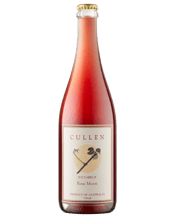
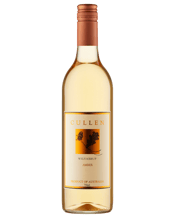
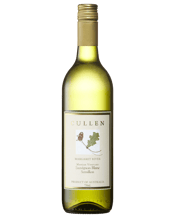
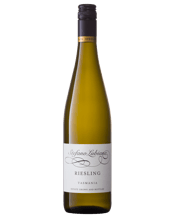
First up, is the exquisite Cullen Rose Moon Pet Nat. It’s light, it’s fizzy, it’s dry and best of all? It’s grown biodynamically in beautiful Western Australia. So, a whole lot of ticks. If you’re more of a white wine sans bubbles kind of person, the Stefano Lubiana Riesling goes down a treat. Born and bred in Tassie, this Reisling is dry, textured and wonderfully elegant (ooh la la). Alternatively, have a go at Cullen’s Amber Semillon Sauvignon Blanc. Made by the same producers as the Pet Nat, this cheeky amber number has been produced in red wine fashion, but with white wine grapes, hence the beautiful amber colouring.
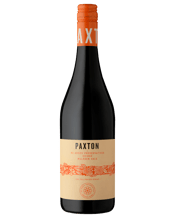
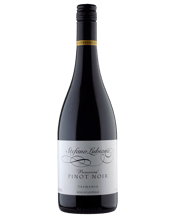
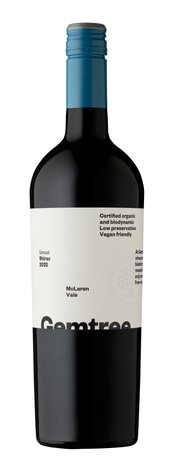
We get it, sometimes you just need a big ol’ glass of red. For those occasions we recommend you check out Paxton’s The Pollinator (I’ll bee back) No Added Preservative Shiraz, which is a vibrant, medium-bodied wine, with great red berries and fruit flavours. Or, have a go at the Gemtree Uncut McLaren Vale Shiraz, a sophisticated full-bodied shiraz that tastes of round dark fruits. Looking for something a tad lighter? Try the Stefano Lubiana Primavera Pinot Noir. It’s a light red from tassie that’s to die for.
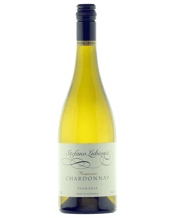
Want to investigate for yourself? Just look out for the Demeter or Biodyvin certification on the bottle or check out some other primo examples of biodynamic wines below.





%20(1)?$dans-daily-web-image$&hei=900)
?$dans-daily-web-image$&fmt=png-alpha&wid=800)