NOW EXPERIENCING:Is biodynamic viticulture the key to sustainable winemaking?
Learn|Sustainability|Red Wine|Organic

Is biodynamic viticulture the key to sustainable winemaking?


Read time 4 Mins

Posted 29 Feb 2024

By
Lulu Morris


Five wines that have been made in sustainable ways

Want to drink more ethically? Here are some Aussie wine producers doing great stuff.

Wine is great and all, but wouldn’t it taste that much better if you knew it was being nice to Mother Earth? Absolutely, and our Aussie winemakers are doing a bang-up job of making their vineyards and production systems as clean and sustainable as possible. Currently, there’s a move to biodynamic wine, which may sound a little hippie-dippie, but stay with us because this may just be one of the key ways of making sustainable (and delicious) vino. 
So, what is biodynamic winemaking?

We’ve waxed lyrical about what’s involved in biodynamic winemaking before, but to sum up, it’s the circle of life, baby. Winemakers who practise biodynamics see the farm, the ground, the vines and the fruit as one living organism capable of being self-sustaining and self-regenerative. The winemaker’s focus is on sustainability and working in harmony with the natural ecosystem. That means, first and foremost, no synthetics or chemicals are used: everything is au naturel

But what are the specifics? Well, to be 100% biodynamic, a vineyard needs to follow a special calendar, devised by the ‘high priestess’ of biodynamics, Maria Thun, which aligns specific parts of agricultural processes (planting, trimming, harvesting) with certain nature cycles and planetary movements. Once the cycle has been set in motion, very little intervention is needed. 

Speaking of cycles, the fertiliser is super important too, involving stuffing crystals, manure, offal and various nettles into a cow horn and burying it on the winter solstice. The horn is dug up around springtime and the resulting fertiliser is spread across the plants. Despite how those last few sentences might make you feel, some things are for sure when it comes to biodynamic winemaking: there’s very little waste, very little intervention, and big pay-off for wine and planet Earth. 

The best way to understand biodynamics (and whether it’s the way to go) is to look at some of its key believers – who also happen to be some of the most skilled winemakers in the country. 

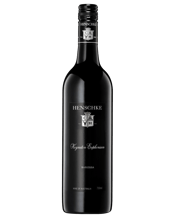
A bottle of Henschke Keyneton Euphonium next to a glass of this red wine

Click image to shop

Get to know some of our best biodynamic winemakers

For viticulturist Prue Henschke, it’s all about balance. “Since I started using organic and biodynamic practices, I am seeing the benefits in greater expression of aromas and textures in the wine from all our vineyards,” she says on their website. As the current custodian of the Henschke vineyards in the Barossa Valley, Eden Valley and Adelaide Hills, Prue’s method and philosophy is holistic – with hopes the next generation will inherit a fertile and sustainable land. Prue’s biodynamic approach to viticulture seems to be working, with Henschke boasting an eye-watering catalogue of some of Australia’s most desirable wines (Hill of Grace, anyone?), not to mention tonnes of awards and accolades in environmental management and innovation. This minimal intervention and extreme attention to detail pays off 100-fold in other iconic wines like the Keyneton Euphonium, too. A beautiful mix of shiraz and cab sauv, this dry, full-bodied powerhouse from the Barossa is a perfect example of the biodynamic effect on viticulture. Spicy dark berries and capsicum leaf aromas are buoyed by beautiful violet notes. It’s a crunchy, dark-fruited drop, exemplified by its wonderful fine tannins, promising a grand future.

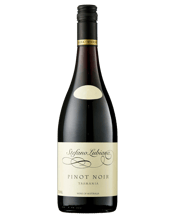
Over in Tasmania, the Stefano Lubiana team credit their success (and delish wines) to “cosmic rhythms”. As the first certified biodynamic winery in Tasmania (since 2010), they’re masters of soil regeneration and vine care and, according to them, they’re attuned to the synergies between their varied soil types, organisms, local flora and fauna, and their vines. There’s commitment beyond biodynamics, too. Since 2017, Stefano Lubiana have worked with Biogone to ensure their packaging (including pallet wraps, pallet toppers and tape) is both effective and better for the planet – this stuff is just as strong, but is recyclable and biodegrades roughly 90% faster in landfill. All in all, it’s great for Aussie wildlife and life on earth in general. In terms of wine, their Stefano Lubiana Pinot Noir has won Best Biodynamic Wine in the World at the prestigious London International Wine Challenge three times. This, of course, is no easy feat. So, if you want to dip a toe into biodynamic wines, Stefano Lubiana’s pinot is a must. Bursting with beautiful cherry aromas, it is medium-bodied, dry and elegant – a perfect example of region and practice.
A bottle of Stefano Lubiana Pinot Noir

Click image to shop

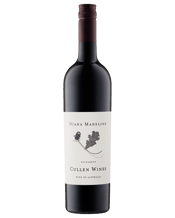
The celebrated Cullen Diana Madeline cabernet blend

Click image to shop

Duck over to Margaret River in Western Australia, and you’ll find another family-run favourite. It wasn’t long after Cullen Wines made the switch to organic they discovered the benefits of biodynamic viticulture, becoming certified A-Grade Biodynamic by Australian Organic Limited (formerly known as Biological Farmers of Australia, or BFA) in 2004. For Cullen, it was the holistic, soil fertility focus that led to the investment and time in biodynamics. Beyond their vineyards, they also have five biodynamic kitchen gardens, which supply their carbon-neutral (in fact, they were the first in Australia to be certified as such) restaurant and cellar door – an absolute do-not-miss if you’re ever in the area. Their instincts when it comes to plant growth and the rhythm of the cosmos is out of this world and is very much apparent in their Bordeaux-inspired masterpiece, Diana Madeline. A legend among Australian reds, it regularly tops critic scores for boasting a power and expression unlike any other. The cabernet-based blend is complex, elegant and bright, showcasing some very expressive violets on the nose. It is a wonderful dry, full-bodied wine that’ll improve for decade after decade while you wait for that perfect occasion.
Is biodynamics the only path to sustainable viticulture?Biodynamics may be blazing a sustainable trail, but there are plenty of other ways viticulture can be friendly to the environment. Take, for example, planting drought-resistant grape varieties, being carbon neutral, reducing water consumption, using organic fungicides, and preserving and re-establishing native flora and fauna. These are just a few practices the next two wine producers advocate instead of the biodynamic approach, and while there is no “planets align” discourse, our Australian landscape is reaping the benefits.

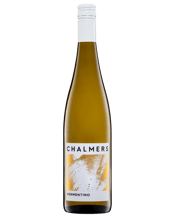
For the Chalmers family, the decision to import drought-resistant grapes, such as the Sicilian inzolia white grape and red Puglia variety known as negroamaro, was the key to their success in the dry, warm climate of their Mildura vineyard in Victoria. It’s also why we (and so many winemakers) have the Chalmers family to thank for grapes like vermentino and nero d’Avola existing in Australia at all. These days, Chalmers grow more than 24 different varieties. Their pioneering importing of vines means they established a vineyard that put less stress on natural resources (such as water), and their impact on sustainable winemaking in this country is hard to ignore. When it comes to seriously sustainable winemakers, there’s going to be some natural crossover with strict biodynamic practices, despite a clear steering away from the label. And Chalmers proves there are plenty of other worthy approaches to consider. They’re constantly testing ways to further improve their practices, like pushing the boundaries on how to use the least water possible to grow great grapes, and are currently trialling mulch and weed control to remove the need for chemicals altogether. This ever-evolving innovation is apparent in all their wines, which are as high-quality as they are environmentally progressive, but this is perhaps especially noticeable in their delicious Chalmers Vermentino. A savoury drop, with beautifully dry and clean characteristics, its cracking citrus and white nectarine flavours balance with its minerality, giving it a delightfully zingy finish.
The Chalmers Vermentino is a classic example of this bright white wine

Click image to shop

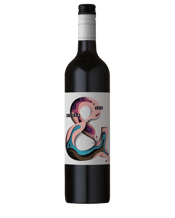
The Hither & Yon Grenache Mataro from McLaren Vale

Click image to shop

In South Australia’s McLaren Vale, Hither & Yon’s founding brothers Richard and Malcolm Leask have two focuses – “soil and people”. As long as they’re taken care of, they believe the rest falls into place. What does this look like exactly? Continual improvement, sustainable viticulture and, as of 2021, being fully carbon neutral – the first in the state. Hither & Yon forego organic and biodynamic practices (and the certifications that come with them) in favour of what’s called regenerative agriculture. Soil health is top priority – increasing biodiversity, using zero herbicides, and storing and building carbon. The goal is to mimic nature, rather than try and control it. With a view to further reduce their environmental footprint, the team at Hither & Yon are also rebuilding native corridors, planting extensive native species, and establishing new grape varieties. This commitment to viticulture and ongoing improvement comes through in their McLaren Vale Grenache Mataro. Beautifully bright raspberries, red roses and forest floor hit the nose first. On the palate, the wine bursts with summer berry fruits and herbs, leaving a lovely raspberry chocolatey flavour to finish.
For more on sustainability in drinks, check out our articles that explore the issue in various ways
image credits: Charlie Hawks (photography) Bridget Wald (styling)