


We ask one eco-conscious producer how they do it.
For Tony Allen of the Murray Darling’s Duxton Vineyards – the team behind the Rewild range of wines – the best approach a producer can take is a holistic one. In his role heading up this New South Wales winery, Tony oversees numerous processes that keep their sustainability wins up and environmental impact down. And that’s a very good thing, considering the size of this operation. “Duxton Vineyards is one of the largest vineyard holders in Australia. In a good year, we grow about 70,000 tonnes of fruit,” Tony says. To put that in perspective, that’s about seven Eiffel Towers – and equates to about 4% of Australia’s total grapes.
In this warm-climate region on the border of NSW and Victoria, the Duxton team grows around 25 grape varieties, from the mainstream – think chardonnay, sauvignon blanc, shiraz and more – to the emerging, with graciano, fiano and vermentino among the standouts. While they sell fruit to other wineries around the country, they also make their own wines, including the 10-strong Rewild range, which is loud and proud about its eco cred. And in a true win-win for us wine lovers, each of these releases is priced at $9.99, giving serious bang for buck, but with a healthy serving of conscience, too.

Duxton’s most important sustainability achievement, Tony says, is their official Sustainable Winegrowing Australia (SWA) certification, as proven by the logo on Rewild’s labels. “Vineyards and wineries go through a vigorous process and gain certification if all the systems are in place to show you’re acting sustainably,” says Tony (pictured). Certified in 2020, Duxton Vineyards goes through an annual audit process to ensure they continue to meet all requirements in order to retain their certification.
As Tony puts it, certification is a validation of their commitment, and it also reinforces their tag line: Great wine shouldn’t cost the earth. “We have a genuine focus on sustainability from grape to glass, in every aspect along the way, and sustainability is the question we ask with every decision we make,” he says. “We’re committed to regenerative thinking, and we want to make sure the brand always gives back more than it takes. It’s not something we do to sell more wine – we believe it’s the right thing to do.”
Doing it their way
The winery, however, is not organic, a practice that’s often held up as the ultimate in wine sustainability. As a result, Duxton uses some synthetic fertilisers and herbicides in their vineyards, but this decision is not made lightly, particularly when weighing up the alternative method of mowing or slashing under-vine weeds. “Our vineyards are huge – two of our vineyards are 900-plus hectares, which is about 20 to 30 times bigger than the average vineyard. Mowing is required more frequently than chemicals, so the downside is there’s a lot more soil compaction and fuel used, so we know it’s better for us not to do that,” Tony says. “We’re never going to be perfect, but we’re trying the best we can.”
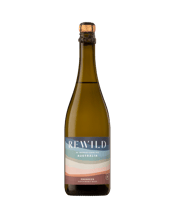
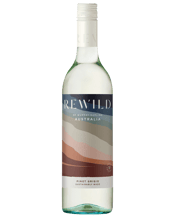
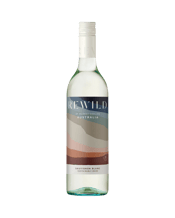
As for the Rewild range? These are fresh, generous and vegan-friendly wines that offer easy drinking and a massive bargain. If you ask Tony, the Prosecco is a particular highlight, while the Fiano, which thrives in this region, is an excellent example, full of bright pear and citrus notes. “Our winemaking philosophy is that we want to let the fruit shine and the wine to taste like the varietal on the label,” Tony says. “And we hope people feel good about buying a brand with such a great sustainable message behind the label.”

Click image to shop
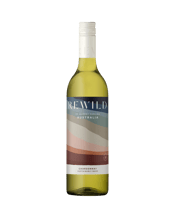
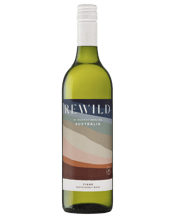

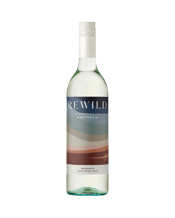


%20(1)?$dans-daily-web-image$&hei=900)
?$dans-daily-web-image$&fmt=png-alpha&wid=800)